
Phyllachora
Phyllachora
The fungus Phyllachora is an ascomycete pathogen responsible for various leaf spot diseases across a wide range of plant hosts. It is a biotroph that completes its life cycle by forming distinct structures on the foliage.
What the section contains
Phyllachora
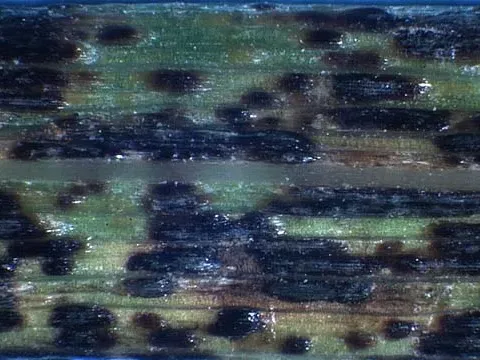
The pathogen is characterized by the production of stromata—hard, black, and often glossy fungal masses that are embedded within the host leaf tissue. These structures serve as protection for the developing spores.
Inside these stromata, the fungus develops perithecia, where ascospores are produced. These spores are released into the environment, typically triggered by moisture, to initiate new infection cycles on healthy plant tissues.
Host specificity is a key feature of many Phyllachora species, meaning each fungal strain usually targets specific plant families. This high degree of specialization allows the fungus to thrive in the presence of its preferred host.
The mycelium grows intercellularly, absorbing nutrients and interfering with the leaf's normal function, which is the primary cause of the visible damage observed by growers.
The first signs of Phyllachora infection are usually small, chlorotic spots on the leaves. As the infection progresses, these spots expand, darken, and eventually turn black or deep brown.
A distinctive feature of this disease is the presence of raised, hard, and shiny black stromata on the leaf surface. These structures are often surrounded by a chlorotic halo, marking the area of tissue death.
As the infection worsens, multiple spots may coalesce, covering a significant portion of the leaf. This typically leads to premature yellowing, browning, and eventual abscission of the infected leaves.
Different plants exhibit varying symptoms, but the presence of hard, embedded, shiny black bodies is a universal identifier for this genus. This sets it apart from other common leaf spot pathogens.
In grasses and some trees, the infection can be so severe that the entire canopy or field appears blighted. The affected tissue becomes brittle, making it easy to identify upon close inspection.
Phyllachora thrives in high-humidity environments. Prolonged rainy periods, heavy dew, and high atmospheric moisture are critical factors that facilitate the germination of spores on leaf surfaces.
Moderate temperatures are generally optimal for fungal activity. While extreme heat may arrest the fungus, temperate climates provide the perfect balance for continuous pathogen proliferation during the growing season.
Poor airflow, often caused by overly dense planting or improper pruning, creates stagnant microclimates where humidity remains high, drastically increasing the risk of an outbreak.
Crop residue is the primary overwintering reservoir for the fungus. Spores persist in fallen leaves, waiting for the spring season to release and infect emerging green tissue once again.
Shaded areas or locations with poor drainage are particularly susceptible to Phyllachora outbreaks because the environment remains moist for longer durations, favoring spore germination.
The primary impact of Phyllachora is the reduction of the plant's photosynthetic capacity. By destroying leaf tissue, the fungus reduces the plant's ability to produce energy through photosynthesis.
For perennial plants and trees, chronic infection weakens the host, leading to reduced vigor, impaired winter hardiness, and stunted growth in subsequent seasons.
Massive premature defoliation disrupts the plant's nutrient storage process, which is critical for long-term survival. This puts additional stress on the plant, making it more susceptible to secondary stressors.
In agricultural crops, this disease can lead to significant yield losses. The degradation of leaves reduces the quality and quantity of the harvest, impacting the overall economic viability of the crop.
Managing the disease requires ongoing effort and expense, including sanitation and chemical interventions, which add to the total cost of plant production and maintenance.
Sanitation is the most effective defense strategy. Collecting and destroying fallen leaves and other plant debris in the autumn prevents the pathogen from surviving through the winter.
Proper horticultural practices, such as spacing plants to allow for adequate air circulation and using tools to keep the plant canopy open, help keep the leaves dry and less prone to infection.
Fungicides can be applied as a preventive measure during the early spring before the symptoms appear. Copper-based compounds are often effective in reducing the pressure of fungal leaf spots.
Selecting resistant cultivars or species is the best long-term strategy for avoiding this disease. Whenever possible, choose plants that have demonstrated natural resilience in your specific climate.
- Remove and dispose of infected leaves as soon as they are spotted.
- Avoid overhead irrigation to keep the foliage dry.
- Ensure plants have adequate nutrition to support their natural defenses.
- Monitor the crop regularly during humid periods for early signs of infection.