
Phyllachora bersamae
Phyllachora bersamae
The disease is caused by the ascomycete fungus Phyllachora bersamae. This pathogen belongs to the order Phyllachorales and is known to parasitize leguminous plants, particularly various clover species.
What the section contains
Phyllachora bersamae
The fungus completes its life cycle by surviving on plant debris, where it remains in the form of stromata during dormancy. When environmental conditions become favorable, ascospores are released and spread by wind or rain splash.
The fungus invades the host plant tissues, developing characteristic black, shiny structures beneath the epidermis. These are known as ascostromata, which serve as the fruit bodies for the pathogen's reproduction.
Pathogen activity disrupts the host's metabolic processes. By aggressively absorbing nutrients, the fungus severely weakens the affected plant parts throughout the growing season.
The biology of Phyllachora bersamae is defined by its narrow host specialization. The fungus prefers specific clover species, which limits its geographical spread to regions where these plants are naturally grown or cultivated.
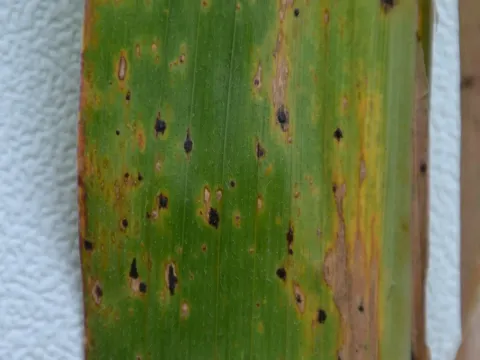
The primary symptom of the infection is the appearance of small, circular, or elongated black spots. These are highly visible on the surface of the leaves and stems of the infected plant.
The spots are essentially clusters of fungal stromata. Initially, they may be covered by the epidermis, but as spores mature, the leaf surface in the affected area often becomes bumpy and develops a lacquered appearance.
A light or yellowish halo frequently forms around the black spots, which is a sign of the plant's defense mechanism reacting to the invasion of the fungal mycelium.
As the disease progresses, the leaves begin to yellow and wither prematurely. This process can cover a significant portion of the leaf area, leading to deformation and eventual leaf drop.
In severe cases, the infected stems become brittle, and the overall vigor of the plant declines, resulting in a stunted appearance of the crop and reduced biomass production.
High humidity is the primary catalyst for the development of Phyllachora. Frequent rainfall, fog, and high relative air humidity create an ideal environment for spore germination.
The optimal temperature range for the pathogen's development is moderate warmth. These conditions allow the mycelium to colonize host tissues rapidly and efficiently.
Dense clover stands create a microclimate with poor air circulation. This allows moisture to remain on the leaf surfaces for extended periods, which is critical for the infection to take hold.
Lack of sufficient sunlight can indirectly influence infection rates. Plants stressed by low light conditions become more susceptible to fungal invasions compared to healthy, thriving specimens.
The presence of infected plant debris from the previous season in the soil or on the surface acts as the primary inoculum, triggering the disease cycle in the new growing season.
Phyllachora bersamae reduces the overall productivity of forage fields. Damage to the foliage leads to a significant decrease in green mass, which is vital for grazing and hay production.
The quality of fodder is degraded due to the loss of essential vitamins and nutrients in the affected tissues. Infected plants are also less palatable and harder for livestock to digest.
The disease impairs the plant's photosynthetic capability. A damaged leaf apparatus cannot produce enough organic matter to support root development or energy storage.
In cases of epidemic outbreaks, the entire stand may die prematurely. This leads to bare patches in the field, which reduces the stand density and encourages the growth of competitive weeds.
Economic losses include the costs of re-establishing the crop and direct yield reductions. The disease is particularly harmful to clover seed production, as it affects both seed quantity and quality.
Good agricultural practices are the most effective way to prevent the disease. It is essential to avoid soil waterlogging and maintain optimal planting density to improve air circulation.
Timely mowing of the clover stand is highly recommended. Regular removal of vegetative mass prevents the accumulation of inoculum and limits the further spread of fungal spores.
Utilizing resistant clover varieties is a key strategic approach. Breeding programs focused on immunity can significantly reduce the vulnerability of crops to Phyllachora.
The application of chemical fungicides is justified only during severe outbreaks in high-value fields. Treatments must strictly follow the labeled guidelines and regulations.
Sanitary field maintenance, including the removal of crop residues in the autumn, lowers the infection pressure. Deep plowing can also help to bury debris and minimize the risk of recurring infections.