
Phomatospora
Phomatospora
The disease is caused by a microscopic fungus belonging to the genus Phomatospora. It is classified as an ascomycete and is characterized by the production of perithecia, which act as fruiting bodies containing infectious spores.
What the section contains
Phomatospora
The fungus is primarily a pathogen that thrives on both living host plant tissues and dead plant debris. This saprophytic potential allows the fungus to survive in the soil or crop residue during off-seasons, ensuring a constant threat to future plantings.
The biological cycle involves the release of spores that are transported by wind, splashing rain, or insects to healthy plant tissues. Upon germination, the fungus penetrates the plant's cuticle, establishing a network of hyphae that absorbs nutrients from the host.
By disrupting the host's metabolism and blocking xylem and phloem transport, the fungus severely impacts the plant's physiological processes. The production of specific enzymes and toxins causes tissue necrosis in affected areas.
Identification of the pathogen often requires laboratory examination due to the morphological similarities between Phomatospora and other related fungi. Understanding its specific life stage is crucial for timing effective management interventions.
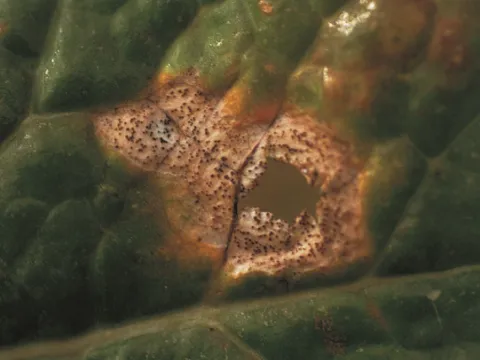
The primary symptoms include the formation of distinct lesions or spots on leaves and stems. These spots often start as small, discolored areas and gradually expand, developing a necrotic center as the fungus continues to feed.
Black, pinhead-sized structures often appear within the necrotic areas; these are the fruiting bodies (perithecia) of the fungus. Their presence is a definitive sign of an active fungal infection and indicates the potential for further sporulation.
Wilting and premature leaf senescence are common in advanced stages of the disease. When the stems are severely affected, the plant may exhibit structural weakness or lodging, as the fungal growth compromises the integrity of the vascular system.
In high-humidity environments, a faint, downy, or mold-like growth may be visible on the surface of the lesions. This fungal mat produces secondary spores that can quickly spread the disease to neighboring plants.
Regular visual monitoring of the canopy, especially the lower leaves near the soil, is essential. Catching the infection in its early stage significantly improves the chances of saving the crop through targeted protective measures.
High humidity and moisture are the most critical factors for the development of Phomatospora. Frequent rain, heavy dew, and misty conditions provide the necessary environment for spores to germinate and infect plant tissue.
Moderate temperatures are typically optimal for the fungus to proliferate. These conditions are common during the active growing season, making crops particularly susceptible to infection when environmental stress is also present.
Poor air circulation within dense plantings or greenhouses leads to the accumulation of moisture on leaves, which acts as a catalyst for infection. Proper spacing is a key factor in keeping the plant surface dry and less hospitable to the fungus.
Physical trauma, such as damage from hail, pests, or improper trimming, creates entry points for the pathogen. Once the integrity of the plant tissue is breached, the fungus can colonize the plant much more rapidly than through natural pores.
The presence of unremoved infected plant material from previous seasons ensures a high inoculum load. If crop rotation is not practiced, the spores accumulate in the soil, leading to recurring outbreaks and increasing the overall infection pressure.
The main impact of this disease is the reduction of photosynthesis due to foliage damage. As the plant loses functional leaf area, its ability to produce energy and fill fruits or seeds is significantly impaired.
Stem infections can restrict the flow of water and nutrients, leading to stunted growth, deformed fruits, and poor overall yield quality. The marketability of produce is heavily impacted by cosmetic blemishes and potential storage rot.
Premature plant senescence shortens the growing period, resulting in smaller harvests and lower quality produce. For perennial crops, the disease can weaken the overall health of the plant, making it prone to winter damage or further infections.
In severe cases, the disease can cause systemic collapse or death of seedlings, leading to significant stand gaps in fields. This requires costly replanting and disrupts farm productivity and planning.
Furthermore, weakened plants are much more susceptible to secondary pathogens and pests. This leads to a compounding effect that significantly increases the costs associated with chemical control and integrated pest management.
Crop rotation is the foundation of management. Planting non-host species for several years helps deplete the population of the fungus in the soil, effectively reducing the risk of a major outbreak.
Sanitation practices, such as removing and burning infected plant debris, are vital. Deep plowing can also bury infected residues, exposing them to soil microorganisms that decompose the material and eliminate the fungal inoculum.
Using certified, disease-free, and fungicide-treated seeds prevents the introduction of the pathogen into new fields. Choosing resistant varieties is another proactive measure that significantly minimizes the impact of the disease.
Fungicide applications are recommended when weather conditions are favorable for disease development or upon the first sighting of symptoms. Rotating fungicide chemistries helps prevent the fungus from developing resistance.
- Maintain adequate plant spacing for airflow
- Use drip irrigation to keep foliage dry
- Regularly weed the field to reduce moisture buildup
- Balance nitrogen and potassium levels to bolster plant immunity