
Phomatospora leaf spot
Phomatospora dinemasporium
Description
Symptoms
The hallmark symptoms include necrotic spots of irregular shape appearing on leaves and stems. These lesions often display a grayish-brown color, typically surrounded by a darker, more defined margin.
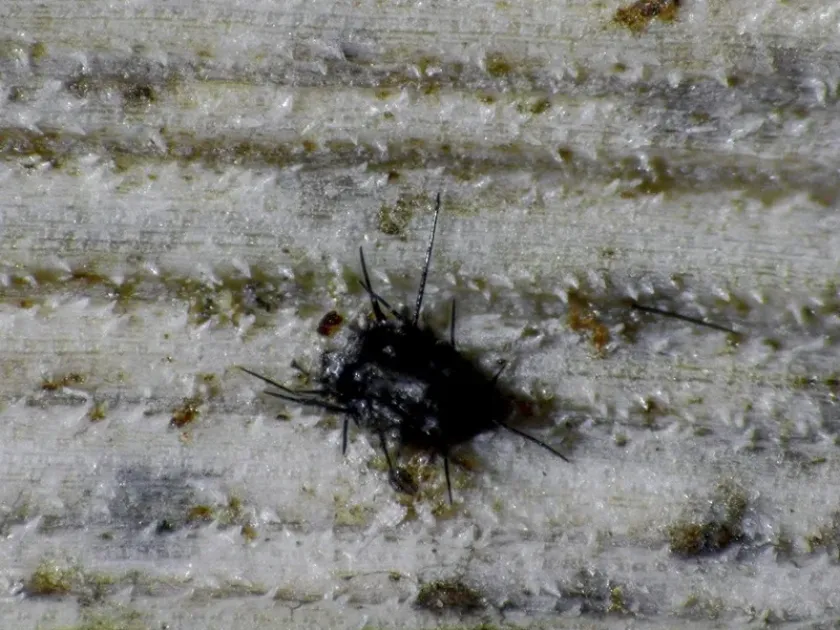
Tiny black dots, which are the visible perithecia of the fungus, can often be seen on the surface of the necrotic spots. As the infection progresses, these lesions merge, leading to extensive tissue death.
When stems are affected, it can lead to wilting and chlorosis of the upper plant parts. On fruits, the disease appears as sunken, decaying spots that can diminish their overall quality and aesthetic appeal.
Diagnostic identification requires careful observation, as the symptoms may resemble other fungal leaf spot diseases. Laboratory confirmation involving microscopic examination of spores is often necessary.
In high-humidity environments, a delicate fungal mycelium or conidial mass may emerge from the center of the spots. This sign is a critical indicator of active sporulation and disease progression.
Pathogen
The causal agent of this disease is the ascomycetous fungus Phomatospora dinemasporium. This microorganism belongs to the Sordariomycetes class and typically functions as a specialized parasite or saprotroph on decaying plant tissues.
The biology of the pathogen is centered around the formation of perithecia, small fruiting bodies embedded within the plant epidermis. These structures serve as the site for sexual reproduction and ascospore production.
The life cycle involves the release of spores during periods of high humidity. Once they land on a susceptible host, they germinate and penetrate the tissue, eventually producing conidia to ensure secondary infection spread.
The fungus possesses a robust enzymatic complex, which allows it to degrade complex plant cell wall polymers. This ability makes it an efficient pathogen capable of causing rapid tissue necrosis.
Dissemination of the pathogen occurs primarily through wind-blown spores and water splashes. Its ability to survive in plant debris allows it to persist in the field from one season to the next.
Conditions for development
The development of the disease is most favorable under conditions of high relative humidity and moderate temperatures. The optimal range for fungal growth typically falls between 18 and 25 degrees Celsius.
Frequent precipitation or heavy dew provides the essential moisture for spore germination and infection. Dense crop spacing, which hinders airflow, creates a conducive microclimate for the pathogen to thrive.
Overwintering plant debris from the previous season serves as the primary inoculum source for new infections. Fields that are not cleared of these residues are at a higher risk of disease outbreaks.
Plant stress, often caused by nutrient deficiencies, drought, or poor soil structure, significantly increases susceptibility. Healthy plants with strong cell walls are better equipped to resist infection.
Periods of prolonged leaf wetness are critical for the fungus to establish itself. Once the surfaces dry out, the risk of new infections decreases, highlighting the importance of managing moisture.
Why it matters
Phomatospora disease causes significant damage by reducing the total photosynthetic area of the plant. This leads to a decline in vigor, which ultimately translates to lower yields and reduced plant growth.
Infection of reproductive parts negatively impacts seed and fruit quality, often rendering them unmarketable. The lesions also serve as entry points for secondary bacterial and fungal pathogens, complicating the disease picture.
In severe cases, the disease can cause premature defoliation or the death of seedlings, leading to crop thinning. Such events necessitate replanting and increase agricultural production costs.
Perennial plants suffering from chronic infections experience a depletion of stored reserves, which affects their long-term health and productivity. The plants become more susceptible to winter injury.
Direct economic losses occur due to the spoilage of harvested crops during storage or transport. The fungal infection lowers the shelf life and overall market grade of the agricultural product.
Protection
Integrated management starts with sound crop rotation, which breaks the pathogen life cycle by avoiding susceptible hosts in the same area. Thorough sanitation and removal of crop residues are essential steps.
Fungicide applications, particularly systemic azoles or copper-based compounds, are effective in suppressing disease development. Preventive spraying is recommended during high-risk moisture periods.
Agronomic practices should focus on optimizing plant spacing and canopy management. Ensuring good air circulation helps dry out foliage and significantly reduces the probability of spore germination.
Balanced fertilization, especially ensuring sufficient potassium levels, strengthens plant tissues and improves natural defense mechanisms. Proper nutrition is a key component of effective disease management.
Biological control agents, such as beneficial fungal antagonists, can be incorporated into management programs. Regular field monitoring is vital for timely detection and intervention to maintain a healthy crop.
Discussion
No discussions yet — be the first.