
Phoma syriaca
Phoma syriaca
The disease is caused by the ascomycete fungus Phoma syriaca, a member of the Pleosporales order, which functions as a specialized parasite of various crops.
What the section contains
Phoma syriaca
The lifecycle is characterized by the production of pycnidia, small black fruiting bodies that release conidia. These spores are responsible for the secondary spread of the infection during the growing season.
The fungus can survive as mycelium in crop residues and soil, acting as a persistent reservoir of inoculum if proper sanitation practices are neglected.
It exhibits high ecological plasticity, allowing it to adapt to diverse climatic conditions and thrive in different agricultural regions.
Dissemination is largely facilitated by rain splash, wind currents, and mechanical activities that move infested soil particles within the field.
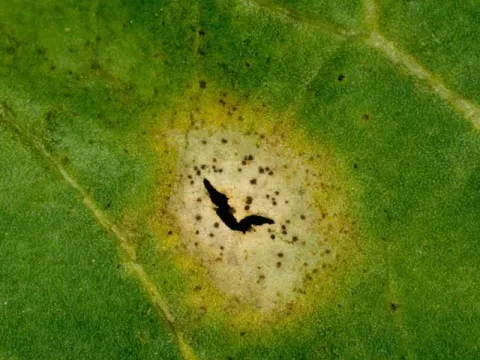
Initial symptoms typically manifest as chlorotic spots on leaves, which gradually develop into dark brown lesions as the tissue dies.
A distinctive feature of the disease is the presence of minute black pycnidia visible within the necrotic lesions under high humidity conditions.
On stems and petioles, the fungus causes elongated sunken lesions that may girdle the stem, leading to premature wilting and weakening of the plant structure.
Infected plants may display stunted growth and yellowing of the lower canopy as the vascular transport of nutrients is impaired by the fungal invasion.
Severe infestations on fruit or seed-bearing organs can result in discoloration, decay, or the formation of shriveled seeds with reduced viability.
Phoma syriaca thrives in warm, humid conditions, with an optimal temperature range of +18°C to +25°C favoring rapid mycelial expansion.
High relative humidity (above 75%) is essential for the germination of conidia and the successful penetration of host tissues by the pathogen.
Field conditions characterized by poor aeration, such as overly dense planting, create microclimates that significantly promote the progression of the disease.
Frequent rainfall during critical growth stages acts as the primary driver for sporulation and subsequent dispersal of the fungus across the canopy.
Nutrient stress, particularly deficiencies in potassium or phosphorus, can render host plants more susceptible to infection by weakening their natural defense barriers.
The impact of Phoma syriaca on crop production is significant, often resulting in yield losses ranging from 15% to 30% in heavily infested areas.
Stem weakening and subsequent lodging severely hinder harvesting efficiency, leading to increased mechanical losses at the end of the season.
The quality of the harvested product is compromised, with affected seeds showing reduced weight and impaired germination capacity.
In addition to yield reduction, the disease can contaminate agricultural products with fungal toxins, potentially reducing their value as feed or food sources.
Persistent infection cycles weaken the overall vigor of crops, leading to increased costs for protective chemical treatments and reduced economic margins.
Integrated disease management begins with a robust crop rotation plan, avoiding the cultivation of susceptible host crops on the same field for several consecutive years.
Effective sanitation, including the deep burial or removal of infected crop residues, is a cornerstone of reducing the primary inoculum source for the next season.
Seed treatment with authorized fungicides is highly recommended to protect germinating seedlings from early-stage infections and improve initial stand establishment.
During the vegetation period, timely application of systemic fungicides is necessary to manage outbreaks, especially when weather forecasts predict prolonged moisture.
- Monitor crops regularly for the first signs of lesions.
- Maintain optimal plant spacing to promote air circulation.
- Control volunteer plants and weeds that might host the pathogen.