
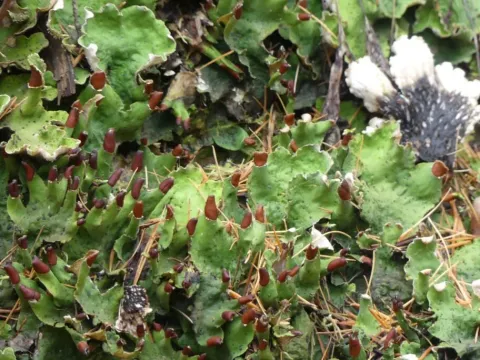
Peltigera polydactylon
Peltigera polydactylon
Peltigera polydactylon, commonly known as the many-fingered pelt lichen, is frequently misidentified as a plant disease. In biological terms, it is a symbiotic organism consisting of fungi and cyanobacteria, which does not act as a pathogen.
What the section contains
Peltigera polydactylon
This organism does not parasitize crop tissues or interfere with plant physiological processes. It lacks the mechanisms to infect plants, develop inside their cells, or transmit through plant vascular systems as typical bacterial or fungal pathogens do.
As a foliose lichen, it typically grows on moist soil, rotting logs, or tree trunks in temperate environments. Its presence is indicative of the ecological state of the field rather than the prevalence of an infectious disease.
There is no record of Peltigera polydactylon causing rot, leaf spots, or wilting in any commercial crop. It belongs to the group of non-pathogenic epiphytic or epigeic organisms that coexist with vegetation.
Mistaking this lichen for a disease is common among non-experts due to its physical appearance, which can resemble surface-dwelling fungal colonies. However, it poses no threat of infection to agricultural systems.
The development of Peltigera polydactylon is entirely dependent on favorable microclimatic conditions, primarily persistent moisture. It thrives in humid, shady environments with limited airflow.
Acidic soil conditions are a significant driver for its colonization. Peltigera species are highly sensitive to soil pH and prefer areas that have remained uncultivated or undisturbed for long periods.
Soil compaction is another critical factor. When the soil surface is poorly aerated and stays damp, it provides the perfect substrate for these lichens to establish their thalli.
Lack of direct sunlight in dense, unpruned agricultural landscapes or poorly managed orchards creates the stability required for the lichen to grow throughout the growing season.
In highly active farming operations, the frequent disruption of the soil surface through tilling and cultivation prevents these organisms from developing, as they cannot withstand constant mechanical stress.
Peltigera polydactylon is not directly harmful to crops, as it does not consume host tissues or secrete damaging phytotoxins. Any concern related to it is strictly associated with what its presence reveals about the field.
The main issue is that its coverage on the soil surface can impede gas exchange, potentially stressing sensitive plant roots that require higher levels of soil aeration during specific growth stages.
Because the lichen prefers acidic, moist soils, its presence is a bioindicator that the soil may require amendment. These conditions themselves are often detrimental to the optimal productivity of many cash crops.
In cases of nursery production or young seedling beds, the lichen might compete for space or keep the soil surface too cool and wet, which is problematic for plants that require rapid soil warming.
Ultimately, the harm is indirect. The lichen is an opportunistic colonizer, and addressing the underlying ecological conditions is more important than focusing on the organism itself.
As Peltigera polydactylon is not a plant disease, the use of fungicides is unnecessary and ineffective. Management should focus on agronomic improvements to restore soil balance.
The primary control method involves regular mechanical cultivation, such as tilling or harrowing, which destroys the lichen's structure and prevents it from re-establishing on the soil surface.
Amending soil acidity is crucial. Applying lime or dolomite can raise the pH level, making the environment much less suitable for the growth of this specific type of lichen.
Improving field drainage is essential. By removing excess moisture and preventing waterlogging, farmers can naturally discourage the development of lichen colonies in the root zones.
In orchards and multi-year plantations, ensuring adequate tree spacing and pruning to increase sunlight penetration will dry out the soil surface, effectively stopping the lichen from spreading.