
Parmastomyces
Parmastomyces
Parmastomyces is a genus of wood-decay fungi in the order Polyporales, known for causing significant brown rot in timber and living trees.
What the section contains
Parmastomyces
The fungus functions as a saprotroph or a weak parasite, utilizing enzymatic mechanisms to break down cellulose and hemicellulose while leaving the lignin mostly intact.
The fungal mycelium penetrates deep into the heartwood, spreading through the vascular system of the wood and gradually compromising its structural integrity.
Fruiting bodies of Parmastomyces are typically annual, often resupinate or effused-reflexed, with a distinct pore surface that aids in taxonomic identification.
It is predominantly found on coniferous species, though it can occasionally affect deciduous trees, particularly when they are weakened or under environmental stress.
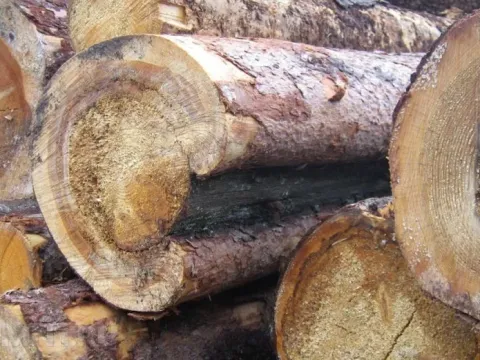
The most characteristic sign is the transition of wood color to a deep brown, accompanied by a brittle texture that crumbles easily under pressure.
Affected wood typically develops a cubical crack pattern, where the internal decay causes the timber to break into characteristic square-shaped blocks.
Visible fruiting bodies, appearing as thin, white, or cream-colored patches, may be observed on the bark surface or around wounds and branch stubs.
In advanced stages of the disease, the interior of the trunk becomes hollow, which can be detected by a change in the resonance of the tree when struck.
Leaking of exudates from the fungal body is a common symptom, which may stain the bark and indicate active metabolic decay of the woody tissues.
Optimal growth of Parmastomyces is strictly dependent on high moisture content within the wood, usually ranging from 30% to 60%.
The fungus thrives in moderate temperatures, typically between 15°C and 25°C, making spring and early autumn peak seasons for colonization.
Mechanical injuries, such as frost cracks, pruning wounds, or damage from heavy machinery, are essential pathways for spore entry into the wood.
Poor aeration and high humidity in dense forest stands or poorly maintained orchards create a conducive environment for rapid spore dispersal.
The accumulation of deadwood and stumps acts as a primary reservoir for the fungus, allowing it to spread to nearby living but weakened trees.
Parmastomyces causes severe economic loss by rapidly degrading the structural value of high-quality timber in forestry and industrial storage.
Trees infected with this fungus lose significant mechanical strength, leading to windthrow and potential hazards in parks and residential areas.
The decay process is often irreversible, and once internal rot is established, the tree cannot be cured, leading to its eventual decline and death.
The presence of the fungus increases the susceptibility of the tree to secondary infestations by insects and other opportunistic pathogens.
In terms of forest management, uncontrolled spread leads to gaps in canopy coverage and a reduction in the overall health and yield of the tree population.
Sanitation is the most effective defense: prompt removal and destruction of infected trees, stumps, and logging debris prevent spore buildup.
Pruning wounds and branch cuts should be protected immediately with professional-grade sealants or fungicides to prevent opportunistic fungal entry.
Proper forest management, including thinning and clearing deadwood, helps maintain tree vigor and reduces the humidity levels that favor fungus growth.
Monitoring for signs of decay, especially in high-value specimen trees, allows for early intervention before the internal rot compromises structural safety.
Disinfecting saws and other pruning tools after contact with suspected rot prevents the mechanical transfer of spores between healthy and infected trees.