
Parmeliopsis ambigua
Parmeliopsis ambigua
Description
Symptoms
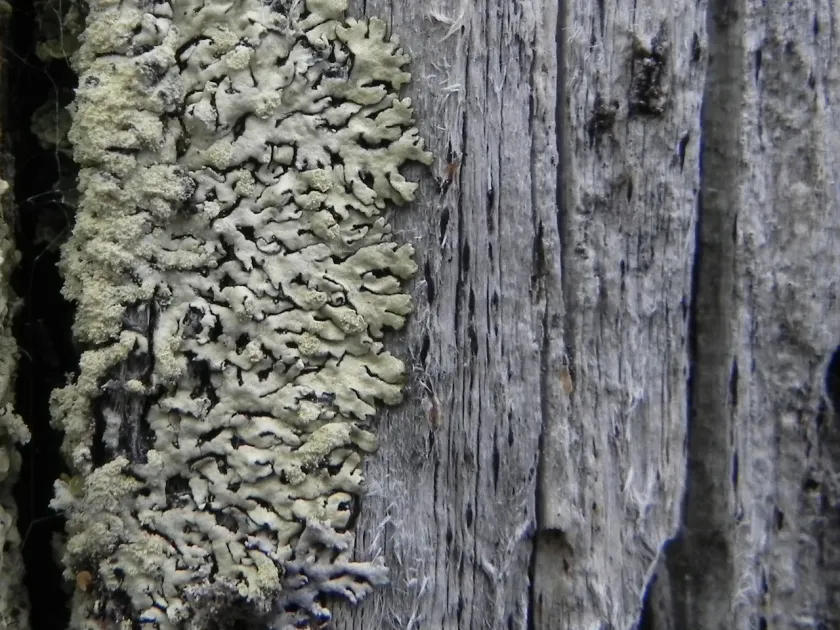
Parmeliopsis ambigua appears as a small, foliose thallus that adheres tightly to the bark, typically displaying a yellow-green to greyish-green coloration.
The margins of the thallus are usually covered with numerous soredia, which give the surface a granular or dusty appearance, a key diagnostic feature of this species.
The center of the lichen often features abundant apothecia, which are the reproductive structures, appearing as reddish-brown or dark brown disks.
Individual lichen thalli are generally small, ranging from 2 to 4 centimeters in diameter, but they frequently merge into larger, irregular patches on the bark.
Field identification can be confirmed with chemical tests, as the center of the thallus turns yellow when treated with potassium hydroxide (KOH).
Pathogen
The organism, Parmeliopsis ambigua, is a symbiotic lichen consisting of a fungus and a photosynthetic partner, acting as an epiphyte rather than a parasitic pathogen.
While it does not directly feed on the tree's sap or tissues, its biological role as a colonizer of tree bark creates a distinct ecological niche on the host plant.
The fungal component is highly resilient, capable of surviving in harsh environmental conditions by absorbing moisture and nutrients from the atmosphere and dust.
Propagation occurs primarily through vegetative means, using soredia that are easily dispersed by wind and rain, allowing the lichen to colonize new bark surfaces rapidly.
Although it does not infect the internal tissues, its persistent presence on the bark classifies it as a factor affecting the overall health and vigor of the tree.
Conditions for development
Parmeliopsis ambigua thrives in environments with high humidity and is commonly found on trees with rough or porous bark that retains water for extended periods.
The species is a known bioindicator of good air quality, as it is sensitive to high concentrations of sulfur dioxide and other industrial atmospheric pollutants.
It prefers shaded or semi-shaded areas of the trunk and branches where direct sunlight is minimal and moisture from condensation persists for longer durations.
Thick, neglected tree crowns that lack proper airflow provide the perfect microclimate for the development of lichen colonies on branches.
Trees that are weakened by age, poor nutrition, or environmental stress are more prone to heavy colonization compared to healthy, vigorously growing specimens.
Why it matters
The primary concern is that a dense cover of lichen can physically obstruct the lenticels of the tree bark, hindering gas exchange and slowing down the tree's metabolic processes.
The layer of lichen creates a hospitable environment for the overwintering of harmful pests, including aphids, scale insects, and mites that can damage the tree.
Moisture trapped beneath the lichen layer can promote the development of secondary wood-rotting fungi and other pathogens that lead to bark degradation.
Over time, the presence of these colonies on branches can lead to premature senescence and death of the affected parts, reducing the tree's overall productivity.
While often considered harmless in small amounts, extensive colonization can exacerbate existing stress on the plant, making it more susceptible to climate-related damage.
Protection
Mechanical removal by carefully scraping the affected bark with a wire brush or specialized garden scraper is the most direct and eco-friendly method of control.
Applying a 3-5% ferrous sulfate solution to the trunk and branches is a highly effective way to eliminate existing lichen colonies and disinfect the bark surface.
Regular crown pruning to improve light penetration and air circulation is essential for maintaining conditions that are unfavorable for lichen growth.
Whitewashing the trunk with horticultural lime or specialized tree paint prevents the re-establishment of lichen and protects the bark from sunscald and pests.
Maintaining the overall health of the tree through balanced fertilization and proper irrigation helps the tree shed old bark more effectively, preventing heavy colonization.
Discussion
No discussions yet — be the first.