
Conic morel
Morchella conica
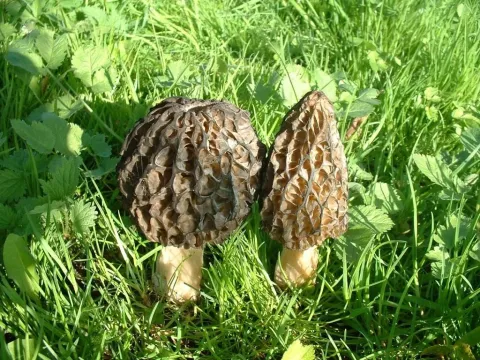
The conic morel is characterized by an elongated fruit body, featuring a distinct conical or egg-shaped cap with a honeycomb-like structure.
What the section contains
Conic morel
The cap surface is composed of deep ridges and pits, typically displaying colors ranging from pale yellowish-brown to dark brown or charcoal.
The stem is notably hollow and cylindrical, usually lighter in color than the cap, with a creamy or white surface appearance.
A key diagnostic feature is the hollow interior, which is continuous from the tip of the cap down to the base of the stem.
These mushrooms grow as solitary or clustered units, emerging from the forest floor during the early spring months after snowmelt.
The organism, Morchella conica, is a member of the Ascomycota division and is widely recognized as a saprotrophic or mycorrhizal fungus.
It is not a plant pathogen; it does not infect living plant tissues, but rather lives off decaying organic matter in the soil and forest floor.
The mycelium establishes a network in the soil, which can survive through dormant phases until environmental triggers stimulate fruit body production.
Reproduction involves the release of spores from asci located within the pits of the cap, which are then disseminated by wind or moisture.
Scientific evidence supports that it plays a beneficial ecological role in nutrient cycling, breaking down complex organic material into simpler compounds.
Conic morels thrive in temperate environments with well-drained, humus-rich soil, often found in areas with high moisture content during the spring.
The presence of certain tree species and appropriate forest litter levels creates a symbiotic environment favorable for the development of the mycelium.
Warm, moist conditions following cool winters are the primary drivers for the rapid expansion of the fruit bodies from the soil surface.
Ground disturbance or recent burn sites often exhibit higher rates of morel colonization due to decreased competition with other fungal species.
Extreme drought or lack of moisture in the upper soil horizons acts as a limiting factor, often aborting the development of the morel fruiting structures.
The conic morel poses no threat to agricultural crops, horticultural plants, or forestry, as it lacks parasitic interactions with host plants.
In an agronomic context, the fungus is considered harmless and serves as a positive indicator of fertile, biologically active soil ecosystems.
There are no economic damages associated with its presence, and it does not contribute to the spread of plant diseases or crop failure.
Due to its saprotrophic nature, it does not compete with crops for nutrients in a way that would inhibit plant growth or development.
The species does not require any form of pest or disease management, allowing it to exist naturally in wild or semi-managed environments.
Since the conic morel is not a plant disease, no control measures, chemical treatments, or preventive management protocols are necessary.
The application of fungicides in an attempt to eradicate these fungi is considered ecologically detrimental and lacks any agronomic justification.
If management is desired in sensitive areas such as greenhouses or nurseries, removing excessive organic mulch can reduce suitable habitat.
Good soil drainage and proper cultivation practices typically discourage the growth of morel mycelium by reducing the humidity levels at the surface.
The most effective approach is to recognize the organism as a benign part of the soil biodiversity, requiring no intervention or specialized attention.