
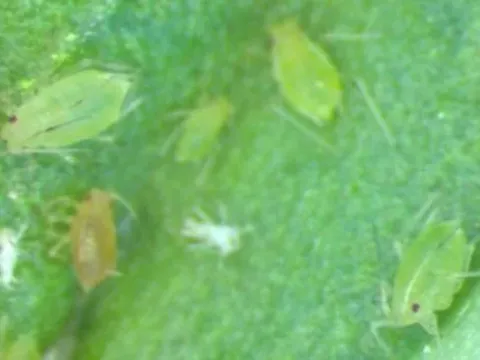
Conidiobolus thromboides
Conidiobolus thromboides
Conidiobolus thromboides is an entomopathogenic fungus belonging to the order Entomophthorales. Unlike traditional plant pathogens, it is specialized in infecting and regulating insect populations within agricultural ecosystems rather than attacking plant tissues directly.
What the section contains
Conidiobolus thromboides
The fungus operates by releasing conidia that attach to the insect's cuticle. Upon germination, the fungal hyphae penetrate the insect's body, where they proliferate, consuming the host's internal tissues and leading to death within a few days.
The biological cycle is tightly regulated by environmental conditions. After the death of the host, the fungus produces secondary spores, which are actively dispersed to infect neighboring insects, often causing localized epizootics that drastically reduce pest numbers.
The fungus can survive adverse conditions by forming resilient resting spores. These spores allow the pathogen to remain dormant in the soil or on crop debris, ensuring its survival during the off-season and providing a source of infection for future pest generations.
Scientific interest in C. thromboides has grown due to its efficacy in managing aphid and whitefly populations. It serves as a natural regulator that contributes to the sustainable suppression of agricultural pests without reliance on synthetic chemical insecticides.
The development and spread of Conidiobolus thromboides are highly dependent on high humidity and moderate temperatures. It thrives in environments where relative humidity levels are consistently above 85%, favoring rapid spore germination.
The optimal temperature range for this fungus is typically between 18°C and 25°C. Outside of this range, the metabolic activity of the fungus slows down significantly, and the infection process becomes less effective in controlling insect hosts.
Densely planted crops that limit airflow create a unique microclimate where humidity remains trapped. These conditions are ideal for the fungus to establish itself and spread throughout the crop canopy, effectively suppressing pest outbreaks.
The presence of leaf moisture, such as dew or light rain, significantly enhances the infection efficiency. Water droplets help transfer conidia to the insects, facilitating the contact necessary for successful penetration of the host's protective layer.
Conversely, dry spells and high heat cause the pathogen to enter a resting stage. During these periods, the fungus remains inactive, and the natural control of pests through this organism ceases until favorable meteorological conditions return.
In the context of crop health, Conidiobolus thromboides is generally considered beneficial or neutral rather than harmful. It does not infect plant tissues, leaves, stems, or fruits, thus causing no direct damage to crop yield or plant quality.
The primary concern regarding its "harm" is its potential impact on non-target beneficial insects, such as pollinators or natural predators like ladybugs. If the fungus is non-specific, it could theoretically disrupt the local food web by reducing the number of beneficial arthropods.
In intensive greenhouse environments, an unchecked proliferation of the fungus could potentially lead to the loss of commercial insect populations, such as bumblebees used for pollination, which would indirectly decrease overall agricultural productivity.
Despite these risks, the ecological benefit of suppressing major crop pests like aphids often outweighs the potential negative impacts on non-target species in many agricultural systems.
Ongoing research is focused on determining the host specificity of C. thromboides to ensure that its application as a biological agent does not inadvertently harm essential ecosystem service providers, ensuring a safer approach to integrated pest management.
Because Conidiobolus thromboides acts as a natural biological control agent, active eradication measures are rarely necessary. It is typically welcomed by farmers for its role in keeping pest populations below economic thresholds.
If its presence becomes problematic in specialized insect-rearing facilities or greenhouses, managing the microclimate is the most effective intervention. Reducing humidity through improved ventilation and drainage systems effectively inhibits fungal activity.
Broad-spectrum fungicides can suppress the fungus, but their use is generally discouraged due to their negative impact on the overall soil health and the beneficial biodiversity of the field. Cultural management practices are always preferred.
Preventive measures involve maintaining optimal plant spacing to promote airflow and keeping crop debris managed to avoid excessive humidity, which prevents the build-up of the fungal inoculum.
- Enhancing greenhouse ventilation.
- Regulating irrigation frequency to prevent excess moisture.
- Monitoring pest populations to evaluate the need for intervention.
- Avoiding unnecessary fungicide applications that disrupt natural balances.