
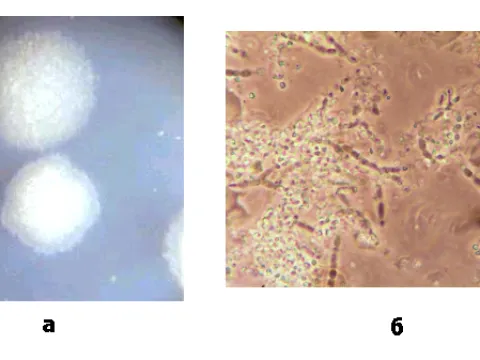
Conidiobolus obscurus
Conidiobolus obscurus
Conidiobolus obscurus is a species of entomopathogenic fungus belonging to the order Entomophthorales. It is a specialized pathogen that targets insects, particularly aphids, rather than causing diseases in plants.
What the section contains
Conidiobolus obscurus
The fungus colonizes the body of the insect host, developing its mycelium within the insect's internal tissues. This eventually leads to the death of the host, allowing the fungus to complete its life cycle.
Reproduction occurs primarily through the discharge of conidia. These spores are forcibly ejected from the cadavers of infected insects into the environment to infect new hosts.
As an obligate parasite of insects, this fungus cannot thrive on plant surfaces or non-living organic matter. Its survival depends entirely on the presence of susceptible aphid populations.
In various agroecosystems, it serves as a critical natural regulator of aphid populations, often causing significant epizootics that drastically reduce pest numbers.
The development of Conidiobolus obscurus is highly dependent on environmental conditions, particularly humidity levels. Optimal infection rates occur when relative humidity remains consistently above 80 percent.
Moderate temperatures are favorable for the growth and sporulation of the fungus. Extreme heat or prolonged drought conditions typically inhibit the fungus and can lead to a decline in its activity.
High aphid density is a crucial factor for the rapid spread of the disease within a colony. Dense clusters of insects allow for the efficient transmission of spores from one host to another.
Presence of leaf moisture, caused by rainfall, dew, or fog, is essential for the germination of conidia on the insect cuticle. This makes damp weather patterns the most conducive to outbreaks.
In greenhouse settings, management of microclimatic conditions to ensure higher humidity can facilitate the use of this fungus as a biological pest management tool.
For agricultural and horticultural purposes, Conidiobolus obscurus is not viewed as a plant pathogen, but rather as a highly beneficial organism. It acts as an effective biological agent that suppresses aphid infestations.
Infected aphids cease feeding shortly after being attacked by the fungus. This rapid cessation of feeding prevents further mechanical damage to crops and significantly reduces the spread of plant viruses transmitted by aphids.
The fungus is capable of infecting aphid populations that have developed resistance to synthetic chemical insecticides, providing an alternative control pathway.
As a natural biocontrol agent, it does not pose a threat to the environment or to non-target crops, making it a valuable asset for integrated pest management (IPM) strategies.
The overall impact on crop production is positive, as it lowers pest pressure naturally and contributes to the reduction of chemical residues on the final produce.
No measures to eradicate Conidiobolus obscurus are necessary, as it poses no threat to plant health. Instead, agronomists often seek to preserve its natural presence in the field.
Indiscriminate use of broad-spectrum chemical fungicides can inhibit the growth of entomopathogenic fungi. It is recommended to use selective products whenever possible to protect beneficial populations.
Maintaining ecological habitats and field margins can help preserve the presence of these fungi in the surrounding environment, ensuring a steady supply of natural biocontrol agents.
IPM programs should incorporate considerations for naturally occurring entomopathogens when assessing the need for chemical interventions against aphid outbreaks.
- Minimize application of broad-spectrum fungicides.
- Maintain adequate moisture levels within the crop canopy.
- Utilize integrated pest management to preserve biological regulators.