
Microsphaeropsis hellebori
Microsphaeropsis hellebori
Description
Symptoms
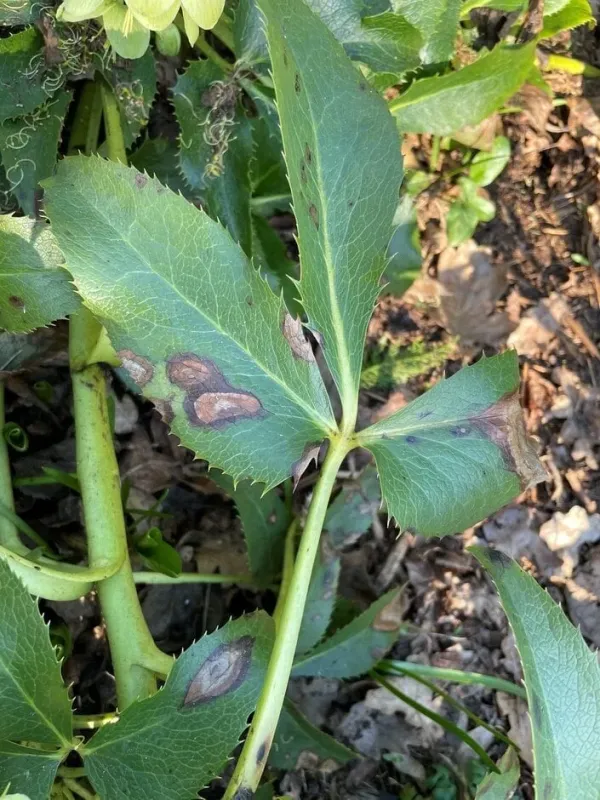
The first symptoms appear as small, circular, dark brown to black spots on the leaves, which often have a lighter center as they mature.
A distinctive feature of this disease is the presence of tiny, black pin-head-sized dots within the lesions, which are the fungal pycnidia.
As the infection progresses, these spots enlarge and coalesce, eventually causing large areas of the leaf to die and become brittle.
In severe cases, the petioles can also be affected, leading to wilting and collapse of the entire leaf foliage.
During humid weather, a subtle mold-like growth may be visible on the surface of the lesions, representing the active production of spores.
Pathogen
The disease is caused by the fungus Microsphaeropsis hellebori, which is classified as a deuteromycete and is highly host-specific to Helleborus species.
The pathogen overwinters primarily in dead leaf tissue and plant debris, where it forms small, black fruiting bodies known as pycnidia.
When environmental conditions become favorable, these pycnidia release spores that serve as the primary source of infection for new growth.
The mycelium colonizes the leaf tissues, producing toxins that cause necrosis and the characteristic spots associated with the infection.
Transmission of the fungus is largely driven by water splash, which carries the conidia to healthy leaves or adjacent plants.
Conditions for development
The fungus thrives in cool, damp conditions, making late spring and early autumn the most dangerous times for plant health.
Temperatures between 15°C and 22°C provide the optimal range for the pathogen to spread and infect healthy plant tissue.
Poor airflow, often caused by overcrowding or lack of proper pruning, allows moisture to linger on foliage, facilitating spore germination.
Plants stressed by excessive nitrogen application or improper irrigation are significantly more susceptible to Microsphaeropsis attacks.
Frequent rainfall or overhead irrigation systems are major factors that accelerate the spread of the fungus throughout the garden bed.
Why it matters
Defoliation is the most common impact, as the plant loses its ability to perform photosynthesis, leading to reduced vigor.
The aesthetic value of the Hellebore is severely compromised, rendering it unsuitable for display or commercial landscape use.
Chronic infections weaken the root system, which may result in poor flowering or even the eventual death of the plant over time.
The disease is highly contagious within a patch of plants; if left unchecked, it can quickly devastate an entire collection.
Persistent damage forces the gardener to spend more time on sanitation, which adds to the overall maintenance burden of the landscape.
Protection
Sanitation is the cornerstone of control: promptly remove and destroy all infected leaves to minimize the source of inoculum.
Garden hygiene is vital; ensure that all plant debris is cleared from the base of the plants, particularly before the winter dormancy period.
Preventative application of copper-based fungicides or systemic chemical treatments can effectively protect the plants during the growing season.
Ensure adequate spacing between plants to promote rapid drying of foliage and prevent the buildup of stagnant, humid air.
Always practice base-of-plant irrigation to keep the foliage dry and reduce the likelihood of spore dispersal via splashing water.
Discussion
No discussions yet — be the first.