
Microsphaeropsis
Microsphaeropsis
Description
Symptoms
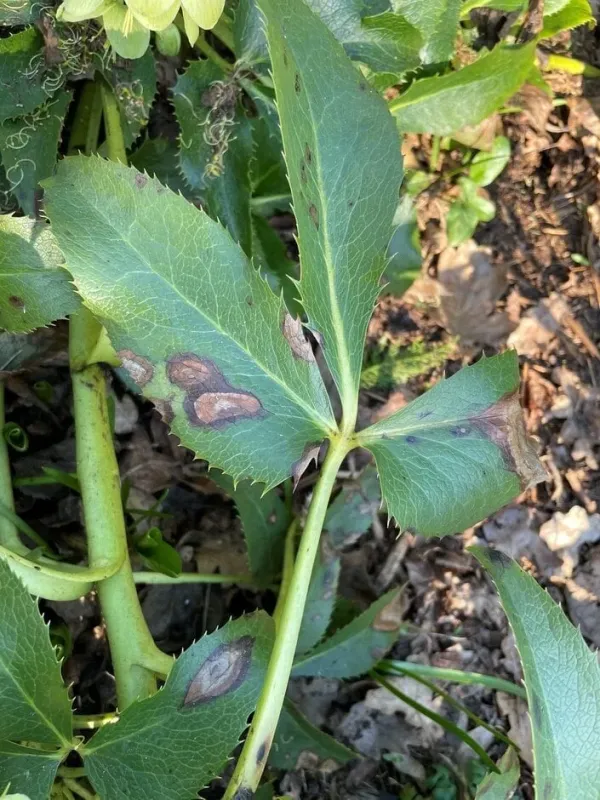
The primary symptom of a Microsphaeropsis infection is the appearance of distinct leaf spots. These spots are typically brownish to dark brown in color and are often surrounded by a darker or reddish-purple halo, which distinguishes them from general senescence.
A definitive diagnostic feature is the formation of small, black, pin-point structures (pycnidia) in the center of the necrotic lesions. These can often be seen with the naked eye or a hand lens, appearing as tiny bumps breaking through the leaf epidermis or bark surface.
On woody stems and branches, the disease may manifest as cankers. These sunken, necrotic areas can girdle twigs, leading to dieback of distal parts of the plant. Cracking and splitting of the bark in the infected area are also common indicators of chronic infection.
Fruits infected by this fungus show dark, sunken lesions that may expand to cover significant portions of the surface. Over time, the affected tissue becomes hardened, and in some cases, the fruit may shrivel, essentially becoming mummified on the tree or plant.
Advanced infections cause premature chlorosis (yellowing) and leaf drop. As the canopy thins, the plant loses its ability to photosynthesize efficiently, which weakens its overall structural integrity and reduces its capacity to store energy for the subsequent growing season.
Pathogen
The disease is caused by fungi of the genus Microsphaeropsis, with Microsphaeropsis olivacea being one of the most frequently identified species. This pathogen is a member of the Fungi Imperfecti group, acting primarily as a necrotrophic parasite that attacks various plant tissues.
The life cycle involves the production of pycnidia, small fruiting bodies where conidia (asexual spores) are formed. These spores are the main means of dispersal, spreading through water splash, wind, and mechanical vectors such as gardening tools during cultivation.
The fungus is highly resilient, capable of overwintering in infected plant debris, fallen leaves, or dormant buds. As soon as temperatures rise and moisture becomes available in the spring, the pathogen reactivates and produces new crops of spores to infect emerging plant growth.
Microsphaeropsis is often characterized by its ability to persist in the environment for extended periods. It can exist as a latent pathogen, waiting for the host plant to become stressed by drought, poor nutrition, or other infections before aggressively colonizing the tissues.
From a biological standpoint, the fungus is highly adaptive. It can colonize a wide range of hosts, from woody shrubs to fruit-bearing trees, which makes it a persistent threat in diverse agricultural and horticultural systems if proper sanitation is neglected.
Conditions for development
High relative humidity is the most critical environmental factor for the development of Microsphaeropsis. Prolonged wet periods, constant dew, or frequent light rainfall provide the essential film of water on plant surfaces required for spore germination and infection.
The pathogen thrives in moderate temperature ranges, typically between 18°C and 25°C (64°F–77°F). Within this temperature window, the infection process is rapid, and the fungus can complete multiple reproductive cycles during a single growing season.
Poor aeration within the canopy acts as a major driver for the disease. Dense, overcrowded plantings trap moisture and prevent sunlight from reaching the inner branches, which creates a stagnant, humid microclimate favored by fungal pathogens.
Host susceptibility is significantly increased by physical injuries or environmental stress. Hail damage, insect feeding wounds, or improper pruning cuts serve as immediate entry points for the fungal mycelium, allowing it to bypass the plant's natural protective barriers.
Sanitation plays a huge role in the disease dynamic. Leaving infected debris, such as fallen leaves or mummified fruits, on the soil surface or hanging in the trees creates a continuous reservoir of inoculum that ensures the disease returns year after year.
Why it matters
The economic impact of Microsphaeropsis is primarily felt through reduced crop yields and diminished product quality. For fruit producers, the loss of marketability due to unsightly lesions and accelerated rot means significant financial losses at harvest time.
For nursery and ornamental growers, the pathogen causes structural damage and deformity. Infected specimens often fail to meet aesthetic standards and may suffer from chronic dieback, leading to high cull rates and the necessity for costly replacement of inventory.
The disease forces growers to increase their investment in fungicides, which raises the overall cost of production. Furthermore, if not managed, the cumulative stress on plants can predispose them to secondary pests and pathogens, leading to a long-term decline in plant health.
Plant vigor and winter hardiness are compromised by late-season infections. Because the fungus depletes the plant's resources, it becomes more prone to winter injury, which in turn leads to further losses and the need for intensive pruning and restorative care in the following spring.
In cases of severe infestation, entire sections of a plant can become necrotic and non-productive. This necessitates major structural pruning, which alters the growth habit of the plant and may lead to a permanent reduction in the potential fruit-bearing area.
Protection
The first line of defense is strict field sanitation. Removing all infected plant parts, including fallen leaves, pruned branches, and mummified fruits, is essential. These materials should be buried, burned, or disposed of away from the production area to break the infection cycle.
Pruning should be performed to improve air circulation and light penetration throughout the plant canopy. A well-managed canopy dries out quickly after rainfall, significantly reducing the duration of leaf wetness that is required for spore germination.
Preventive fungicide applications are often necessary in high-risk environments. Copper-based compounds or systemic fungicides applied during the early stages of growth can provide a barrier that prevents the fungus from establishing a foothold on healthy tissues.
Maintaining optimal plant health through balanced fertilization and appropriate irrigation practices is key to natural disease resistance. Strong, healthy plants are better able to wall off infections and recover from stress-induced damage compared to those suffering from nutrient deficiencies.
Integrated Pest Management (IPM) strategies, which include regular monitoring and early detection, allow for targeted interventions. By acting as soon as the first signs appear, growers can stop the spread of the pathogen before it reaches an uncontrollable level of infection.
Discussion
No discussions yet — be the first.