
Microdiplodia
Microdiplodia
Microdiplodia is a genus of imperfect fungi belonging to the Sphaeropsidales order. These pathogens are widely distributed and can act as weak parasites or opportunistic fungi that thrive on weakened plant tissues.
What the section contains
Microdiplodia
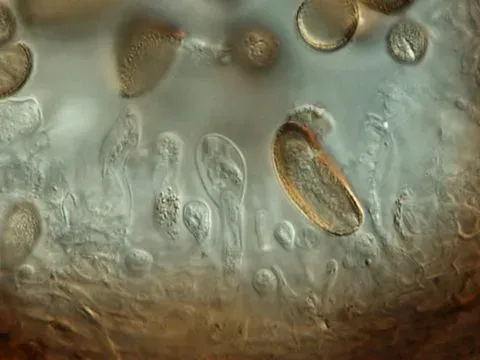
The fungus is characterized by the production of pycnidia, which are dark, flask-shaped structures embedded within the plant's cortex or leaf tissue. Inside these, a vast number of conidia are produced.
The survival strategy of Microdiplodia includes overwintering as mycelium or as mature spores within the remains of host plants. This allows the pathogen to persist in agricultural environments year after year.
Infection spreads primarily through conidia, which are dispersed by splashing raindrops, wind, or agricultural tools. The fungus typically invades through existing wounds or necrotic spots caused by other stresses.
Microdiplodia has a broad host range, affecting various woody ornamentals, fruit trees, and viticulture crops. Its ability to colonize different substrates makes it a versatile pathogen in various ecosystems.
The most common symptoms include necrotic lesions on stems, twigs, and leaves. These lesions often manifest as discolored areas that eventually harden and may become cracked over time.
Small, dark, pimple-like structures known as pycnidia appear on the surface of the infected areas. These are the diagnostic hallmark of the disease and are visible to the naked eye upon close inspection.
Shoot dieback is a frequent symptom, where branches wither and dry out starting from the tips or from the point of infection. This dieback can lead to significant structural damage in trees.
On leaves, the disease causes irregular brown spots often surrounded by a chlorotic halo. As the infection progresses, these spots may merge, leading to premature leaf drop during the growing season.
In fruits, Microdiplodia causes rot or sunken spots, which reduce the overall quality and shelf life of the crop. Infected fruits often shrivel and mummify if left on the branches or stored improperly.
High humidity and moisture are the primary environmental drivers for the development of Microdiplodia. Frequent rains provide the necessary conditions for conidia germination and colonization.
Plants already suffering from environmental stress, such as drought, nutrient deficiency, or frost damage, are significantly more susceptible to infection by this opportunistic fungal pathogen.
Wounds caused by pruning, insect activity, or mechanical damage act as primary entry points. The fungus quickly exploits these openings to invade the nutrient-rich vascular tissues of the plant.
Temperatures ranging from 18 to 25 degrees Celsius are optimal for the growth of the pathogen. Within this range, the life cycle can be completed rapidly, leading to secondary infection waves.
Poor aeration in dense canopies creates a microclimate with stagnant humidity, which is highly conducive to the spreading and establishment of the fungal infection within fruit orchards.
The pathogen causes severe aesthetic and physiological harm, leading to the reduction of photosynthetic efficiency. This hampers the plant's ability to store energy for subsequent growth cycles.
Structural dieback can weaken the tree, making it prone to breakage during heavy wind or fruit load. In young plants, severe infection can result in complete mortality of the specimen.
Crop yield is directly impacted through the infection of reproductive organs, leading to fruit drop or unmarketable produce. This creates substantial economic losses for commercial growers.
Chronic infestation drains the plant’s energy reserves, making it less resilient to harsh winters and secondary infestations. This creates a feedback loop of declining plant health.
The necessity for intensive management, including repeated fungicide applications and pruning, increases the operational costs associated with maintaining a healthy plantation.
Sanitation is the cornerstone of control. All infected plant material must be pruned out, removed from the site, and either burned or buried deeply to eliminate the primary inoculum source.
Sterilization of pruning tools between cuts is essential to prevent the cross-contamination of healthy plants. Applying protective sealants to pruning wounds helps create a barrier against fungal ingress.
Copper-based fungicides applied during the dormant season and early spring can significantly reduce the overwintering spore population, effectively limiting early-season infections.
Maintaining vigorous plant health through adequate irrigation and balanced fertilization programs helps strengthen the plant's natural defenses against potential fungal invaders.
Regular monitoring of orchards and vineyards during wet weather periods allows for timely intervention using systemic fungicides, which can curb the progression of the disease effectively.