
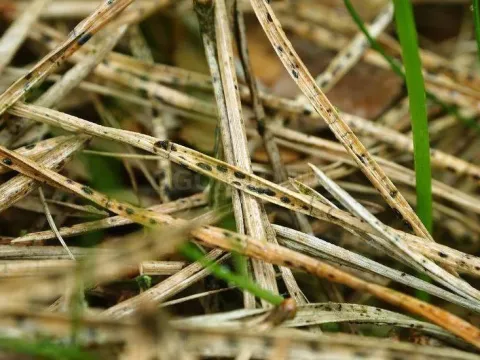
Lirula needle cast
Lirula
The disease is caused by fungi belonging to the genus Lirula, most notably Lirula macrospora. This is a specialized pathogen that affects various conifer species, particularly spruces, causing significant foliage loss.
What the section contains
Lirula needle cast
The life cycle of the pathogen is complex and typically spans several years. Spores are released from fruiting bodies on old needles and are dispersed by wind and rain splashes to infect the current year's needles.
The fungus develops internally within the needle tissue, where it extracts nutrients and disrupts the plant's normal physiological functions. This persistent colonization is what differentiates Lirula from some other short-lived needle cast pathogens.
The fungus produces elongated fruiting structures on the underside of infected needles. These structures are the primary source for further spread, ensuring the fungus remains present in the canopy over multiple seasons.
Biological resilience is a hallmark of this pathogen, as it can remain viable in fallen debris and needle litter on the forest floor, creating a persistent reservoir of inoculum for future infections.
The most visible symptom of Lirula needle cast is the discoloration of previous years' needles, which turn yellow or brown. As the disease progresses, these needles wither and fall off prematurely, resulting in sparse foliage.
Detailed examination reveals characteristic black, linear fruiting bodies (hysterothecia) on the underside of the infected needles. These lines run parallel to the midrib and are the definitive diagnostic sign of the infection.
Symptoms often appear first in the lower, more humid, and less ventilated parts of the crown. Over time, the infection spreads upward, leading to thin and ragged appearance of the entire tree canopy.
Affected needles become brittle and lose their natural luster. If left untreated, the accumulation of infected needles on the ground serves as a constant reminder of the pathogen's presence and activity.
In severe cases, the reduction of foliage impairs the tree’s photosynthetic capacity, leading to visible growth suppression and overall decline in tree health, making the tree look stressed and unhealthy.
High humidity and consistent rainfall are the primary environmental drivers for Lirula needle cast development. These conditions are essential for spore germination and successful colonization of new needles.
Poor air circulation within the tree canopy, often caused by overcrowding or dense planting, creates a microclimate that is highly conducive to fungal outbreaks. Lack of sunlight further exacerbates the vulnerability of the tree.
Stressed trees, particularly those suffering from nutrient deficiencies or drought, are more susceptible to infection. Proper environmental management is therefore critical in minimizing the risk of a Lirula outbreak.
The accumulation of needle litter under the trees acts as a secondary host environment where the fungus can overwinter. Without proper sanitation, these fallen needles act as a constant source of reinfection each spring.
Geographic regions with temperate, wet, and cool summers provide the optimal window for the infection to flourish, often leading to seasonal epidemics in susceptible conifer stands.
Lirula needle cast causes premature needle drop, which significantly reduces the tree's ability to produce energy. This loss of photosynthetic surface area leads to severe stress and stunted growth patterns.
The chronic weakening of the tree makes it highly susceptible to opportunistic secondary pests, such as bark beetles and wood-boring insects, which can eventually kill the tree.
In landscape settings and nurseries, the disease significantly reduces the aesthetic and commercial value of the conifers. Infected nursery stock is often unsaleable, leading to substantial financial losses.
Severe and persistent defoliation can lead to branch dieback and, in extreme cases, the total death of the tree. This is particularly concerning for young or newly planted conifers that lack a robust defense system.
In forest ecosystems, Lirula infections can alter the vitality of stands, affecting the structural integrity and biological diversity of the forest, and potentially impacting local wildlife habitats.
The most effective strategy for managing Lirula is strict sanitation, which involves the removal and destruction of fallen needles to eliminate the source of the pathogen. This should be done before the next season's growth.
Preventive fungicide applications are essential in high-risk areas. Treatments should be timed to coincide with the period of needle susceptibility, usually early in the growing season, using copper-based or systemic fungicides.
Improving cultural practices is vital, including proper spacing of trees to ensure good ventilation and selecting appropriate planting sites that minimize humidity buildup.
Pruning out and disposing of heavily infected branches can help reduce the amount of inoculum present in the canopy. Always ensure tools are sanitized after working with infected materials.
- Sanitize the area by removing and burning fallen needles
- Apply fungicide sprays in spring during needle development
- Ensure adequate spacing between trees for air circulation
- Monitor trees regularly and prune out severely infected limbs