
Libertella disease
Libertella
The disease is caused by fungi of the genus Libertella, which act as necrotrophic pathogens. These fungi primarily target the bark and cambium layers of various tree species, leading to tissue death.
What the section contains
Libertella disease
The fungus functions by colonizing the inner bark and disrupting the vascular system of the tree. It produces pycnidia, specialized structures that release spores under favorable humidity conditions.
Infection entry is facilitated by open wounds on the tree. Pruning cuts, winter frost cracks, and physical damage from equipment serve as primary access points for fungal spores to reach the host tissues.
Once established, the mycelium spreads rapidly underneath the bark. It secretes enzymes that degrade cellular structures, causing the bark to become detached from the woody trunk.
The pathogen is highly resilient and can persist in dormant states within dead wood. It thrives as both a parasite on living trees and a saprophyte on decaying woody debris.
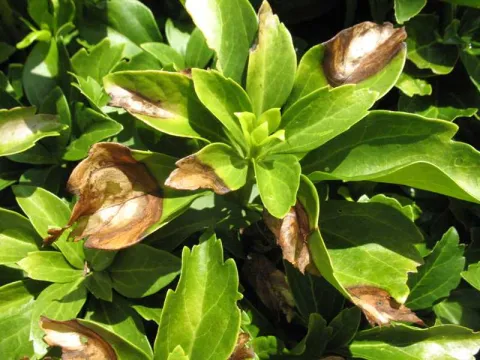
The most distinctive sign of Libertella infection is the formation of necrotic bark lesions. These spots often appear sunken and dark, eventually leading to bark cracking or peeling.
During wet weather, the fungus produces characteristic creamy or white tendrils, often called «spore horns», which erupt through the bark surface. This indicates active spore discharge.
Crown symptoms include dieback of branches, starting from the tips and progressing inward. Foliage on affected branches becomes chlorotic, wilts, and drops prematurely due to the disruption of water transport.
If the infection reaches the main trunk, it can cause extensive cankers. If the canker eventually girdles the tree, the entire plant will succumb to the disease and die.
- Sunken, necrotic lesions on the bark.
- Creamy white spore tendrils emerging from bark.
- Branch dieback and foliage chlorosis.
- Bark detachment and deep cracking.
The disease is heavily influenced by host stress. Trees suffering from drought, poor nutrition, or transplant shock are significantly more susceptible to successful fungal colonization.
High relative humidity and frequent rainfall are critical for the spread and germination of spores. Moist conditions allow the pathogen to colonize new areas of the tree effectively.
Lack of proper sanitation in orchard or nursery management promotes the disease. Leaving pruned branches near the trees creates a reservoir for fungal spores to travel.
Airflow limitation due to dense planting can create favorable micro-environments for fungal growth. Improving ventilation is essential for reducing the risk of an outbreak.
Insects and birds may act as vectors, moving spores from infected bark to fresh wounds on healthy trees. Preventing these visits or maintaining plant integrity helps limit spread.
Libertella causes serious structural damage to trees, leading to the loss of branches and permanent disfigurement. Severe infections almost always result in the death of the host plant.
Affected wood loses its physical strength, becoming brittle and prone to breaking during storms. This creates safety hazards in public parks and residential landscapes.
In decorative gardens, the impact of Libertella is immediate, as it ruins the aesthetic value of ornamental trees. Once a tree is disfigured by cankers, it is difficult to restore its health.
The economic impact on forestry and nurseries is substantial. Infected batches often need to be destroyed to prevent the widespread dissemination of the pathogen.
The pathogen can persist for years in the vicinity of the original infection site, making it difficult to replant the same species in areas where the disease was previously active.
Good cultural practices are the first line of defense. Ensuring trees are well-watered and fertilized helps them maintain the vigor needed to compartmentalize and resist fungal infections.
Sanitation is paramount. All infected branches must be pruned well into healthy wood and immediately burned or removed from the site to eliminate the inoculum source.
Disinfecting pruning tools between cuts is essential to prevent mechanical transmission of spores. Use alcohol or a 10% bleach solution to clean blades thoroughly.
Applying copper-based fungicides as a preventative spray during dormant seasons can help manage spore populations on the bark surface, providing a protective barrier.
Proactive care of wounds, including the use of protective sealants or paints on large cuts, reduces the chances of spores entering the vascular system of the tree.