
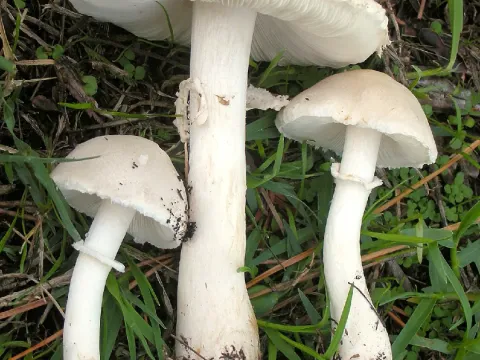
Leucoagaricus
Leucoagaricus
Leucoagaricus is a genus of gilled mushrooms within the Agaricaceae family. These organisms are primarily saprotrophic, meaning they obtain nutrients by decomposing organic matter such as leaf litter, mulch, and soil humus.
What the section contains
Leucoagaricus
In agronomic terms, these fungi are not primary plant pathogens. They do not infect living plant tissues; however, their presence is often misunderstood by gardeners who mistake the appearance of mushrooms for a systemic plant disease.
The fungus develops a dense mycelial network within the soil profile, especially in environments rich in decaying organic material. This network is a natural part of the soil ecosystem, contributing to nutrient cycling.
While not a disease, the rapid growth of the mycelium can occupy significant soil volume. The visible fruiting bodies (mushrooms) are merely the reproductive structures of the fungus, appearing when environmental conditions are optimal.
Understanding the biology of this genus is crucial, as misidentifying these saprotrophs as harmful pathogens can lead to the unnecessary and harmful use of chemical fungicides, which can damage the soil microbiome.
High moisture levels are the most significant factor driving the development of Leucoagaricus. Excess water in soil, poor drainage, and high humidity in greenhouses provide ideal conditions for the mycelium to spread rapidly.
Stable, moderate temperatures are preferred by this fungus. It typically experiences peaks in activity during temperate seasons, such as spring and autumn, when soil moisture is consistent and ambient temperatures are mild.
The availability of high-carbon substrates is essential. Gardens heavily mulched with fresh wood chips or those amended with partially decomposed manure are highly susceptible to colonization by this fungus.
Poor soil aeration further encourages growth. When soil becomes compacted, oxygen levels drop, which can favor the expansion of fungal mats that thrive in oxygen-depleted zones within the root-adjacent area.
Soil pH plays a secondary role. While these fungi are adaptable, they generally thrive in neutral to slightly acidic soils. Modifying the soil environment can often be enough to reduce their dominance in a given area.
The primary concern is not disease, but competition. The dense mycelial mats formed by Leucoagaricus can become hydrophobic or overly compact, hindering water and air penetration to the roots of cultivated plants.
Plants may exhibit stress symptoms such as yellowing leaves or stunted growth, not because they are infected, but because the fungal network interferes with the root system's ability to uptake water and nutrients effectively.
The aesthetic impact of fruiting bodies can be severe in lawns and professional landscape installations. The appearance of clusters of mushrooms disrupts the uniformity of grass or decorative flower beds.
Changes in soil chemistry caused by the breakdown of organic matter by the fungus may temporarily alter the nutrient profile, potentially creating a localized imbalance that favors the fungus over more sensitive ornamental or vegetable crops.
In container gardening, the presence of the fungus in potting mix can lead to an unattractive appearance and may suggest that the growing medium is retaining too much moisture, which is a warning sign for other potential issues like root rot.
The most effective management strategy is proper soil preparation. Use only fully matured, well-composted organic matter to prevent the introduction of aggressive fungal colonies into your garden beds.
Improved irrigation management is critical. Avoid overwatering and ensure that the surface layer of the soil has adequate time to dry out between watering sessions to discourage fungal growth.
Physical disruption of the mycelium is highly effective. Regular hoeing or tilling the top few inches of soil destroys the delicate mycelial network, preventing the formation of future fruiting bodies.
Biological control using beneficial fungi like Trichoderma species can create competition within the soil, effectively suppressing the colonization of the area by Leucoagaricus.
- Regular monitoring of soil moisture levels.
- Correcting drainage issues in garden beds or containers.
- Liming the soil to adjust pH levels if necessary.
- Removing debris and organic waste at the end of the season.