
Leucoagaricus sublittoralis
Leucoagaricus sublittoralis
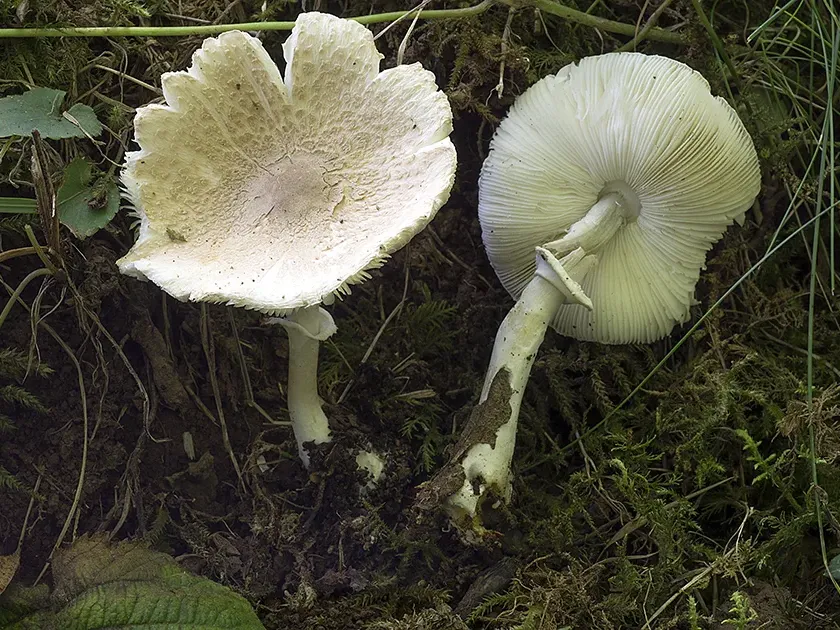
Description
Pathogen
Leucoagaricus sublittoralis is a species of fungus in the family Agaricaceae. It is classified as a saprotrophic organism, meaning it derives its nutrients from decaying organic matter rather than living tissues of plants.
In terms of agricultural pathology, this fungus is not recognized as a plant pathogen. It lacks the pathogenic mechanisms required to infect or damage live plant roots, stems, or leaves.
The mycelium of this fungus typically inhabits the top layers of soil. It plays a significant ecological role by breaking down complex organic compounds into simpler substances, which helps enrich the soil.
Farmers or gardeners might notice its fruit bodies appearing in fields or garden beds. This is often confused with a disease symptom, but in reality, it simply indicates high soil organic content and healthy decomposition processes.
As a saprotroph, it is an essential part of the soil food web. It contributes to nutrient cycling, making nitrogen, phosphorus, and potassium more available for uptake by agricultural crops.
Conditions for development
Leucoagaricus sublittoralis thrives in well-aerated soils with a high proportion of organic debris. It is frequently associated with sandy or loose, friable soil types that allow for rapid mycelial expansion.
Environmental moisture is the primary driver for the formation of fruiting bodies. Increased humidity following rainfall or consistent irrigation cycles triggers the reproductive phase of this fungal species.
The fungus prefers temperate conditions and is most active during the growing season. It requires a stable organic substrate, such as plant litter or composted material, to establish and maintain its mycelial network.
In commercial agriculture, the presence of this fungus is often suppressed by the use of broad-spectrum fungicides. It is highly sensitive to compounds used to control true soil-borne diseases like Fusarium or Pythium.
Compacted or waterlogged soils are generally unsuitable for its development. Adequate soil drainage and proper aeration are necessary to maintain the diversity of the soil microbiome, including saprotrophic species.
Protection
Since Leucoagaricus sublittoralis is not a plant disease, there are no control measures required to eliminate it. Applying fungicides to target this fungus is considered an unnecessary use of chemicals.
Management practices should focus on maintaining overall soil health rather than eliminating saprotrophic organisms. Regular tillage and proper incorporation of crop residues help manage the organic matter levels.
If the fruiting bodies are aesthetically undesirable in greenhouses or ornamental settings, reducing the moisture content of the growing media is the most effective and eco-friendly way to curb their development.
Implementing integrated pest management (IPM) strategies emphasizes the role of soil biological balance. Encouraging beneficial soil microbes often outcompetes saprotrophs for resources, maintaining stability.
Agronomic advice for growers is to focus on monitoring for actual pathogens while viewing saprotrophic fungi as indicators of fertile, living soil rather than as a threat to agricultural productivity.
Discussion
No discussions yet — be the first.