
Leucoagaricus bresadolae
Leucoagaricus bresadolae
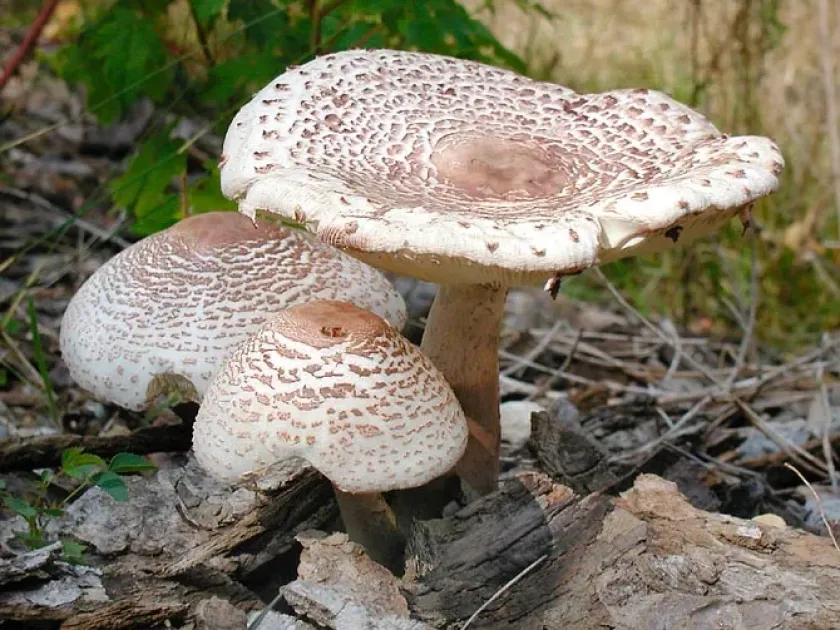
Description
Symptoms
The appearance of scale-covered fruiting bodies with a brownish tint is the most obvious sign of the presence of this fungus.
A distinctive feature is that the flesh of the fungus turns reddish or brick-colored upon damage or exposure to air.
A dense, white, spider-web-like mycelium often covers the soil surface and the root area of affected plants.
Infected plants show clear signs of stress, including chlorosis, drooping foliage, and a general cessation of growth during the growing season.
In severe cases, the root system shows signs of rot, leading to the rapid wilting and eventual death of the affected specimen.
Pathogen
Leucoagaricus bresadolae is a species of fungus in the Agaricaceae family that can act as a saprotroph and potential pathogen in agricultural soils.
It typically thrives in environments rich in organic matter, colonizing the rhizosphere of various plant species under favorable conditions.
The pathogen spreads primarily via spores, which are disseminated by air currents, irrigation water, or human activity within the field.
Its mycelium remains dormant in the soil, utilizing decomposing debris as a nutrient source before expanding into the root zones of living plants.
Understanding the biology of this fungus is essential for managing its population in nurseries and commercial greenhouses.
Conditions for development
The development of Leucoagaricus bresadolae is highly dependent on high moisture levels and adequate organic supply in the soil.
Temperature ranges between 20 and 25 degrees Celsius are optimal for the rapid colonization of substrates by this fungal organism.
Poor soil drainage leads to waterlogging, which creates the perfect environment for the mycelium to thrive and damage roots.
The presence of uncomposted manure or excessive organic mulch provides an abundant food source, encouraging the spread of the fungus.
Lack of proper aeration and high relative humidity in greenhouses significantly increase the risk of an outbreak.
Why it matters
The primary harm is caused by the physical and chemical degradation of the root system, inhibiting nutrient absorption.
By competing for soil resources, the fungus weakens the host plant, making it significantly more vulnerable to secondary infections.
In nurseries, this fungus can cause large-scale losses of seedlings, severely impacting the production cycle and farm yields.
Phytotoxic effects of metabolic byproducts released by the fungus can stunt growth even before the root rot is visible.
Damaged plants often show a reduction in fruit quality and yield, leading to significant economic losses for producers.
Protection
Effective management starts with strict control of soil moisture levels to ensure the substrate does not remain waterlogged for too long.
Removing all organic waste and debris from the soil surface is crucial to eliminating the primary food source for the mycelium.
Chemical control can be implemented using broad-spectrum fungicides if the infestation is caught at an early stage.
Improving soil structure through aeration and professional drainage techniques is a key preventive measure against fungal outbreaks.
- Ensuring proper soil drainage.
- Manual removal of fruiting bodies.
- Using sterilized potting mixes.
- Maintaining balanced soil pH levels.
Discussion
No discussions yet — be the first.