
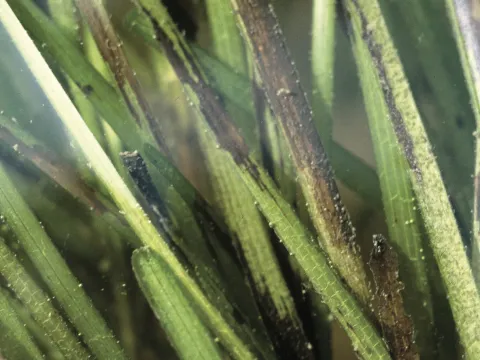
Labyrinthulids
Labyrinthulida
Labyrinthulids (Latin: Labyrinthulida) are a group of single-celled eukaryotic organisms belonging to the protists. In phytopathology, they are recognized as dangerous obligate parasites capable of causing destructive plant tissue diseases.
What the section contains
Labyrinthulids
Biologically, these organisms are slime nets that move via an ectoplasmic network. They are not true fungi, though they are traditionally studied within the context of phytopathological infections due to the similarity of their symptoms.
The pathogen's life cycle includes a motile zoospore stage that actively moves in aquatic environments. These cells penetrate the intercellular spaces of the host plant, breaking down cell walls using enzymatic processes.
Spread of the pathogen occurs primarily through water currents and marine systems. In agronomy, Labyrinthulids are significant as agents of the "wasting disease" in seagrasses, which hold ecological importance.
Systematically, this object belongs to the class Labyrinthulomycetes. Their ability to rapidly colonize plant tissues makes them highly aggressive pathogens within specific niche environments.
The primary symptom of infection is the appearance of characteristic dark spots on the leaf and stem surfaces. As the disease progresses, these spots turn brown or black in color.
In areas where colonies have infiltrated, significant tissue softening occurs, leading to premature necrosis. The plant begins to lose turgor, and the affected areas deteriorate rapidly.
Microscopic examination reveals typical networks formed by the Labyrinthulid ectoplasm. These structures penetrate the intercellular spaces, disrupting the transport of water and nutrients.
Infected areas often become entry points for secondary infections. The development of accompanying bacterial rots often masks the true pathogen, complicating visual diagnosis.
Complete necrosis of the affected areas occurs quite quickly, leading to chlorosis and the subsequent death of the entire vegetative part of the plant under high infection pressure.
The main prerequisite for the active development of Labyrinthulids is high environmental humidity. These organisms require the presence of free water to propagate their zoospores.
Temperature plays a crucial role in the pathogen's metabolism. Optimal indicators vary by species, but in general, a moderately warm environment accelerates cell division.
Increased plant population density creates a favorable environment for epiphytotic spread. Under these conditions, the pathogen moves faster from an infected specimen to healthy ones.
Disturbances in the hydrological regime and eutrophication of water bodies can trigger disease outbreaks. An excess of nutrients in the water accelerates the growth of Labyrinthulid colonies.
The presence of wounds on the plant epidermis significantly facilitates the pathogen's penetration process. Mechanical injuries or pest damage create ideal entry points for infection.
The primary damage lies in the disruption of photosynthesis and general metabolic processes within the plant. Affected areas are quickly removed from the productive cycle.
Severe infection by Labyrinthulids leads to a sharp decrease in plant biomass. For agricultural crops, this translates into a critical loss of yield and product quality.
Mass development of the pathogen can lead to the destruction of significant planting areas in a short time. This creates serious risks for the stability of agroecosystems adjacent to open water systems.
Damage to the root system or root zone, if it occurs, makes the plant susceptible to lodging and environmental stressors.
Prolonged presence of Labyrinthulids depletes the plant's energy reserves, rendering it incapable of recovery and growth, leading to economic unviability of cultivation.
Effective protection against Labyrinthulids requires strict adherence to water management and sanitary control of fields. Removing infected debris is the first measure to stop the spread.
The use of agrotechnical methods is aimed at increasing the plant's immune status. Optimization of mineral nutrition helps plants regenerate damaged tissues more rapidly.
Quarantine measures are necessary when moving planting material from regions where disease outbreaks have been recorded. Checking the health status of plants before planting is mandatory.
Chemical control against Labyrinthulids is limited due to their specific biology. Broad-spectrum fungicides may provide a partial effect if they are directed at suppressing associated microflora.
Preventive treatment of plantings during periods favorable for spore spread helps reduce the risk of epiphytosis. Regular monitoring is essential for the timely detection of infection hotspots.