
Laccaria striatula
Laccaria striatula
Description
Symptoms
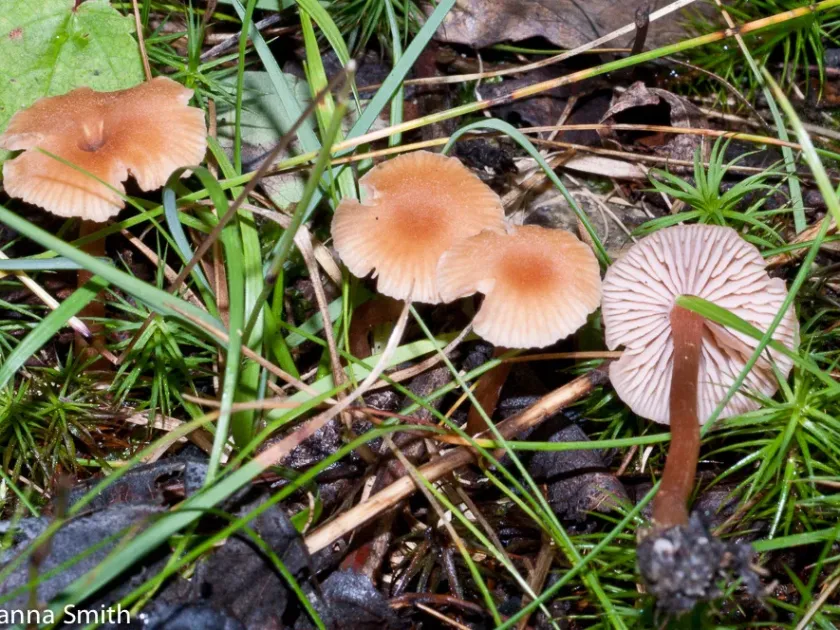
The presence of Laccaria striatula is characterized by the formation of small, striate-capped fruit bodies around the base of trees or shrubs in moist areas.
Root systems associated with this fungus often display a darker color due to the formation of a dense mycelial sheath covering the fine root tips.
Plants may show slight growth stunting if the mycorrhizal balance is disrupted by excessive environmental moisture or nutrient imbalances in the soil.
After heavy rainfall, a fine, thread-like white mycelial growth may become visible on the surface of the soil or in the leaf litter near affected plants.
Small, brittle mushrooms emerge in groups, serving as the most recognizable sign of the fungus's active presence in the root zone.
Pathogen
Laccaria striatula is a fungal species belonging to the family Hydnangiaceae. It is primarily recognized as a mycorrhizal fungus that forms symbiotic associations with the root systems of various forest plants.
While it is not a primary plant pathogen, its biological activity can significantly alter the rhizosphere dynamics. It acts as a basidiomycete that interacts with the plant's nutrient uptake mechanisms.
The fungus reproduces through spores that are distributed via wind and water, establishing itself in moist, acidic soil environments common in forest ecosystems.
The mycelium penetrates the root cortex, forming a mantle that mediates the exchange of water and minerals between the soil and the host plant's root system.
In forest nurseries, high activity of this fungus can sometimes be confused with parasitic infections, although it is fundamentally a symbiotic organism.
Conditions for development
Laccaria striatula thrives in acidic soils rich in organic matter. High moisture levels are essential for its vegetative growth and the formation of fruit bodies.
The fungus prefers temperate climates with consistent rainfall, finding optimal development conditions when soil temperatures range between 12 and 18 degrees Celsius.
Poor soil aeration and dense planting patterns in nurseries create microclimates that encourage the rapid colonization of roots by the fungal mycelium.
High nitrogen availability in the soil can sometimes inhibit the development of mycorrhizal associations, causing the fungus to remain less active in the root zone.
The species is most abundant in coniferous and mixed forest habitats, where the leaf litter provides necessary nutrients for its initial growth phases.
Why it matters
The potential harm caused by Laccaria striatula is indirect, primarily involving competition for nutrients with young seedlings in high-density nursery environments.
Excessive fungal colonization can lead to reduced oxygen availability for roots in waterlogged soils, which may contribute to physiological stress in young plants.
Soil acidification associated with intense fungal growth can negatively affect the growth of specific plant species that require neutral or alkaline pH levels.
In rare instances, if root tissues are already weakened by other stressors, the dense presence of the fungal mantle may complicate the healing of minor root abrasions.
Overall, while it is a beneficial symbiont in mature forests, its role in controlled environments requires careful management to prevent competition with the main crop.
Protection
Effective management begins with maintaining proper soil moisture levels and ensuring adequate drainage to prevent water stagnation in the root zone.
Regular soil aeration and cultivation practices help disrupt excessive mycelial buildup and promote a healthier balance between the soil microflora and the plants.
Applying liming agents to adjust soil pH can create conditions less favorable for the dominance of this fungus if it begins to interfere with plant growth.
Fungicides should only be used as a last resort in commercial forestry, as they can inadvertently damage the entire mycorrhizal complex essential for seedling health.
- Optimizing irrigation schedules for nurseries.
- Ensuring proper spacing to improve airflow.
- Monitoring soil chemical composition regularly.
Discussion
No discussions yet — be the first.