
Laccocephalum
Laccocephalum
Description
Pathogen
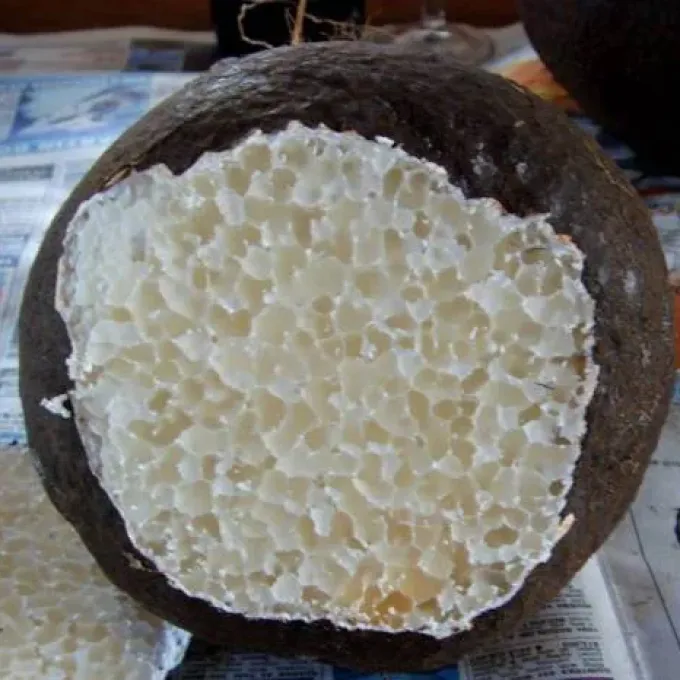
Laccocephalum is a genus of fungi belonging to the family Polyporaceae. In agricultural and forestry contexts, several species within this genus are recognized as wood-decay pathogens.
The pathogen functions primarily as a wood-rotting agent. It secretes specialized enzymes capable of breaking down lignin and cellulose, which are the main structural components of wood tissues.
The fungal mycelium colonizes the interior of the tree, progressing slowly over time. This internal degradation often remains hidden until the plant shows visible signs of decline.
Reproductive structures, commonly known as conks or mushrooms, develop on the surface of infected wood. These fruiting bodies release vast quantities of spores into the air.
Biologically, Laccocephalum is adapted to live on stressed or weakened host plants. Its life cycle is characterized by a gradual decay process that eventually compromises the host's vitality.
Conditions for development
The development of Laccocephalum is heavily dependent on the physical condition of the host plant. Trees with existing bark damage or root injuries are the primary targets for infection.
High moisture levels are essential for the germination of fungal spores. Environments with poor drainage or persistent humidity provide the ideal backdrop for the pathogen to thrive.
Temperature plays a crucial role, with optimal growth occurring in mild conditions, generally ranging from 15 to 25 degrees Celsius. Seasonal fluctuations may pause growth, but the fungus usually survives.
Host stress, whether caused by drought, poor soil nutrition, or competition, lowers the tree's natural defense mechanisms. A weakened plant is significantly more susceptible to successful colonization.
Airborne spore transmission is the most common method of spread, though contaminated tools and soil contact can also facilitate the movement of the fungus between plants.
Why it matters
The primary harm caused by Laccocephalum is the development of wood rot. This structural compromise significantly increases the risk of trees falling or snapping during high winds.
Infection of the root system or the base of the trunk disrupts the transport of water and nutrients. This deficiency leads to canopy thinning, branch dieback, and eventually the death of the tree.
The presence of the fungus weakens the overall resilience of the plant, making it an easy target for secondary pests, including various wood-boring insects.
Economically, the disease results in timber loss and the need for costly tree removal operations in urban and forest settings.
The cumulative effect on local ecosystems can be severe, leading to a shift in species composition as infected trees are lost and replaced by others.
Protection
Effective management begins with preventative care. Maintaining tree health through proper fertilization and watering helps plants develop stronger immune responses.
Sanitation is critical; removing and destroying infected tree parts or entire trees prevents the further release of spores. Proper disposal of biomass is mandatory to halt the cycle.
Pruning should be done carefully to avoid unnecessary damage to the bark. All large wounds should be treated with appropriate protective sealants to prevent pathogen entry.
Regular inspections are necessary, especially during the wetter months. Early detection allows for the implementation of control measures before the infection becomes systemic.
- Regular monitoring for fruiting bodies at the tree base.
- Sanitary pruning of infected branches and stems.
- Disinfection of pruning tools after each use.
- Improvement of soil drainage in affected planting sites.
Discussion
No discussions yet — be the first.