
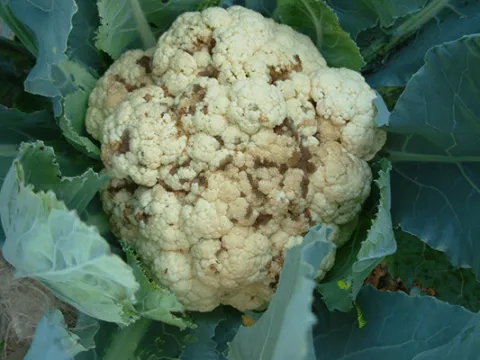
Internal browning
Boron and
Internal browning is classified as a physiological disorder rather than a disease caused by biotic pathogens like fungi, bacteria, or viruses.
What the section contains
Internal browning
The primary trigger is a metabolic disruption within the fruit tissue, most commonly linked to a severe deficiency of the micronutrient boron.
Without sufficient boron, the structural integrity of cell walls in the fruit flesh is compromised, leading to premature tissue death and oxidative breakdown.
It is fundamentally a nutritional disorder where the plant fails to transport or assimilate essential elements correctly into the developing fruit.
While not contagious in a traditional sense, the physiological stress weakens the fruit, often making it susceptible to opportunistic rot organisms during post-harvest.
The hallmark symptom is the appearance of brown or necrotic patches deep within the flesh of the fruit, often initially invisible from the exterior.
In apples, internal browning often manifests as browning around the core area or scattered spots throughout the cortical tissue.
For date palm fruits, internal browning results in a darkening of the pulp, loss of original texture, and a significant decline in fruit consistency.
The flesh may feel spongy, dry, or corky as the internal cells collapse and turn brown due to cellular degeneration.
In advanced cases, affected fruits may show slight external depressions or discoloration, indicating that the damage has reached the outer layers.
Water stress during the growing season is a major contributor, as boron movement within the tree depends on an active transpiration stream.
High soil pH levels reduce the availability of boron, trapping the element in the soil and preventing uptake by the root system.
Over-fertilization with nitrogen can lead to rapid, succulent growth that outpaces the tree's ability to supply sufficient micronutrients to the fruit.
Fluctuating temperatures and uneven moisture levels during fruit maturation inhibit normal metabolic activities, exacerbating the deficiency symptoms.
Poor soil aeration and drainage issues hinder healthy root performance, which in turn limits the tree's overall capacity to absorb minerals.
The primary harm is the complete loss of marketable quality, as internally browned fruits are rejected by consumers and retailers.
Storage potential is drastically reduced; fruits prone to this disorder break down quickly, rendering long-term warehouse storage impossible.
Organoleptic qualities such as flavor, aroma, and juice content are severely degraded, making the produce unsatisfactory for processing.
Economic losses can be substantial, especially when the disorder affects a significant percentage of the harvested yield across an entire orchard.
The disorder complicates supply chain logistics, as even apparently healthy fruits may show hidden symptoms shortly after harvest or during transit.
Systematic soil and leaf analysis is the most reliable way to monitor nutrient levels and predict the potential risk of internal browning.
Timely foliar applications of boron-containing fertilizers during the flowering and fruit-set stages are essential for prevention.
Maintaining a consistent irrigation schedule helps ensure the steady translocation of boron and other nutrients from the roots to the fruits.
Balanced fertilization programs that prevent nitrogen excess are crucial to maintaining physiological stability in the fruit tissues.
- Periodic soil testing for micronutrient availability.
- Liming acid soils to ensure optimal nutrient uptake.
- Selection of fruit cultivars with better tolerance to physiological disorders.
- Ensuring proper orchard drainage to support healthy root systems.