
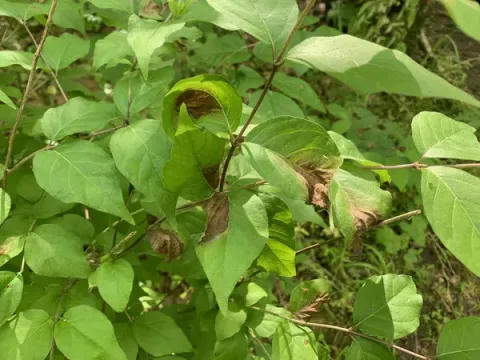
Insolibasidium deformans
Insolibasidium deformans
The disease is caused by the fungus Insolibasidium deformans, which acts as a specialized plant pathogen. As a member of the basidiomycetes group, it has a complex life cycle that primarily affects the vegetative tissues of its host plants.
What the section contains
Insolibasidium deformans
The mycelium of the pathogen penetrates the intercellular spaces of leaves and shoots, disrupting the normal physiological processes of the host. This invasion leads to significant morphological changes as the fungus utilizes nutrients from the plant's tissues.
Reproduction is facilitated through the production of basidiospores, which are easily dispersed by wind and water splash. These spores are capable of surviving on crop residues, allowing the fungus to overwinter and initiate new infections in subsequent growing seasons.
The infection process starts when spores land on a host surface under suitable humidity conditions. The pathogen quickly establishes itself within the epidermis, triggering a series of symptoms that reflect the plant's struggle against the internal parasite.
Understanding the biology of Insolibasidium deformans is crucial for developing effective control strategies, as the pathogen’s success is closely tied to its ability to adapt to specific microclimatic conditions favored by the host plants.
The most prominent sign of infection is the severe deformation of leaves, which become curled, wrinkled, and misshapen. This structural distortion is a direct result of the fungus interfering with the plant's natural development and hormonal balance.
A visible fungal growth, often appearing as a powdery or fuzzy layer, can be observed on the underside of infected leaves. This layer consists of the pathogen's sporulation structures, indicating an active state of development and spread.
Infected shoots typically exhibit stunted growth with shortened internodes, leading to a crowded or rosette-like appearance of the foliage. This architectural shift significantly impairs the plant's ability to maintain an efficient canopy structure.
As the disease progresses, necrotic spots may develop on the leaf blades. These lesions often merge, leading to premature yellowing, browning, and eventually the shedding of leaves, which reduces the plant’s overall photosynthetic capacity.
- Curling and distortion of leaf blades.
- Visible fungal sporulation on the leaf undersides.
- Stunted shoot growth and rosette formation.
- Development of necrotic lesions on foliage.
- Premature leaf drop and generalized decline.
The development of the disease is heavily dependent on high moisture levels and cool temperatures. Prolonged rainy periods are typically the primary trigger for the onset and rapid spread of the pathogen in a field setting.
The optimal temperature range for the pathogen’s activity is between 15 and 20 degrees Celsius. In these cool, humid conditions, spores germinate rapidly and can colonize young, susceptible tissues very effectively.
Poor field hygiene and high-density planting create microclimates with limited air circulation, which helps maintain the humidity levels necessary for the fungus to thrive. Such conditions exacerbate the risk of a widespread outbreak.
Infected plant debris left in the field from previous years serves as a critical inoculum reservoir. Without proper sanitation, the pathogen can persist in the soil or on weed hosts, ensuring a continuous threat to the crop.
While warmer weather in the summer may naturally suppress the fungus, persistent rainy weather can sustain the disease well into the growing season, potentially affecting multiple stages of plant development.
The primary harm caused by Insolibasidium deformans is the dramatic reduction in photosynthetic efficiency. Because the foliage is deformed and damaged, the plant cannot produce enough energy to sustain healthy growth and fruit development.
Infected crops suffer from reduced commercial quality, making them unsuitable for market or processing. This leads to substantial financial losses for producers, especially in sectors where appearance is a critical factor for profitability.
The physiological stress caused by the fungus makes the plants more susceptible to secondary infections and opportunistic pests. This compound stress often leads to a significant decrease in total yields per hectare.
Severe infestations can result in fruit malformation, lack of development, or premature drop, effectively nullifying the efforts of the growing season. The cumulative impact can threaten the viability of the entire crop on an infected plot.
In the long run, the accumulation of inoculum in the soil complicates future cultivation plans, forcing producers to adopt stricter and more costly management practices to avoid recurring problems.
Effective management begins with strict crop rotation to disrupt the pathogen's life cycle. Planting susceptible crops in fields where the disease has been prevalent should be avoided for several years to allow for natural degradation of the inoculum.
Cultural practices such as deep tillage help bury infected plant residues, speeding up their decomposition and reducing the initial source of infection. Keeping fields free of weeds that may host the fungus is also highly recommended.
Chemical control involves the application of targeted fungicides, particularly those known to be effective against basidiomycetes. Proactive monitoring and well-timed sprays are essential, especially during cool and wet weather conditions.
Regular inspection of the crop allows for early detection, enabling spot treatments that can prevent the disease from spreading throughout the field. Systemic fungicides are often preferred for their ability to protect newly developing tissues.
Integrating resistant varieties and maintaining optimal plant spacing can significantly reduce the need for chemical intervention. These holistic approaches contribute to a more sustainable and productive agricultural system.