
Citrus variegation
Citrus variegation
The causative agent of this disease is the Citrus variegation virus (CVV), also known as the Citrus crinkly-leaf virus (CCLV). It is a single-stranded RNA virus belonging to the Ilarvirus genus.
What the section contains
Citrus variegation
The infection is systemic, affecting the leaves, shoots, and fruits of host trees. The virus persists indefinitely within the plant tissues, steadily exhausting the metabolic resources of the host.
A wide range of citrus species and hybrids, including lemons, oranges, grapefruits, and mandarins, are susceptible to this virus. It remains a significant concern in both commercial citrus orchards and ornamental citrus plantings.
The virus is primarily transmitted through infected propagation material, such as budding or grafting scions. Transmission can also occur mechanically through contaminated pruning tools if they are not sanitized between trees.
The virus exhibits latent behavior, meaning infected trees can remain asymptomatic for long periods, acting as hidden reservoirs of the pathogen while appearing superficially healthy.
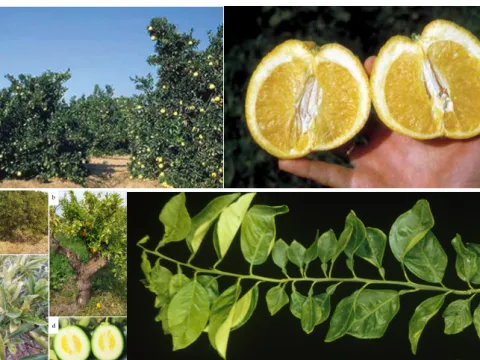
The hallmark symptom of the disease is the variegated mosaic pattern on the leaves. These patterns typically manifest as creamy-white or yellow chlorotic spots, streaks, or blotches, often resulting in a marbled leaf appearance.
Affected leaves frequently show significant deformation and crinkling. The tissues within the chlorotic areas may be thinner than healthy tissues, leading to uneven development of the leaf blade and loss of typical foliage symmetry.
Fruit symptoms include discoloration, reduced fruit size, and, in severe cases, structural deformities of the rind. The internal quality of the fruit is often compromised, leading to a decrease in juice yield and taste profile.
Advanced stages of the infection result in stunted growth, shortened internodes, and a sparse canopy. The overall health of the tree declines as the cumulative effects of the viral load impact its development.
- mosaic-like chlorotic spotting on leaves;
- leaf crinkling and distortion;
- stunted growth and short internodes;
- reduced fruit size and market quality;
- sparse and unhealthy canopy development.
The primary driver for the spread of Citrus variegation is the use of infected budwood during grafting. Improper sourcing of propagation material is the most common cause of new outbreaks.
Environmental conditions, particularly temperature, influence the visibility of symptoms. Leaf variegation often becomes more prominent during cooler seasons, whereas symptoms may become obscured or muted during periods of high temperature.
Agricultural practices, such as pruning and grafting, are critical transmission points. If tools are not disinfected after contacting an infected tree, the virus is easily transferred to healthy plants.
Plants under environmental or nutritional stress may show more rapid disease progression. Stress weakens the natural physiological resistance of the citrus tree, making it more vulnerable to the systemic spread of the virus.
The movement of plant material across regions without strict quarantine and testing protocols facilitates the wide geographic distribution of the Citrus variegation virus.
The economic impact of Citrus variegation is significant, primarily due to the loss of fruit marketability. Discolored and deformed fruits are rejected by high-quality markets, leading to substantial income losses for growers.
The disruption of chlorophyll in chlorotic leaf tissue reduces the tree's photosynthetic efficiency. This leads to long-term exhaustion, reduced vigor, and lower annual fruit yields compared to healthy trees.
Infected trees exhibit reduced tolerance to abiotic stressors, including drought and extreme temperatures. They are more likely to succumb to secondary infections and opportunistic pests due to their compromised state.
The requirement for tree removal and orchard replanting poses a severe financial burden. Eradication of infected individuals is the only way to manage the disease within a commercial plot.
The presence of the virus restricts the potential for exporting citrus products to international markets that enforce stringent phytosanitary requirements to prevent the spread of plant viruses.
The most effective strategy for managing Citrus variegation is the use of certified virus-free budwood. Establishing nurseries that utilize rigorous diagnostic testing is essential to prevent the primary introduction of the virus.
Strict sanitation protocols for pruning and grafting tools are mandatory. All equipment must be disinfected using appropriate solutions, such as sodium hypochlorite or alcohol, between every single tree to prevent mechanical transmission.
Prompt identification and removal of symptomatic trees are necessary to contain the spread of the virus within an orchard. Since there are no chemical treatments for established infections, removal and destruction are the only solutions.
Regular monitoring and scouting programs allow growers to detect early signs of the disease. Any suspected trees should be isolated and subjected to laboratory diagnostics, such as ELISA or PCR, for confirmation.
Maintaining the health and vigor of the grove through proper irrigation and fertilization can help mitigate the impact of the virus, though it does not provide immunity or cure existing infections.