
Hydnotrya
Hydnotrya
Hydnotrya is a genus of ascomycete fungi within the order Pezizales. While many species within this group are recognized as beneficial mycorrhizal associates, certain species can exhibit pathogenic behavior by invading the root systems of various tree species.
What the section contains
Hydnotrya
These fungi are typically subterranean, producing truffle-like fruit bodies that remain hidden beneath the soil surface. This cryptic nature makes early detection of the pathogen extremely difficult in natural and managed settings.
The life cycle of the pathogen is centered on the soil environment. It spreads through spores that are robust and can survive for extended periods, waiting for the right environmental conditions to germinate and colonize new hosts.
Infection occurs when the fungus comes into contact with the root tips of the host plant. The mycelium penetrates the epidermal layers, eventually disrupting the plant's natural nutrient absorption and moisture uptake mechanisms.
Hydnotrya species often coexist with forest ecosystems as saprotrophs but can transition to a parasitic lifestyle when the host plant is under environmental stress, such as drought, waterlogging, or nutrient deficiency.
The most common clinical sign of Hydnotrya infection is a steady decline in tree vigor. Affected trees display stunted growth, sparse canopy development, and premature leaf or needle yellowing.
Root systems of infected plants often show visible mycelial mats—white or greyish filaments clinging to the fine roots. The affected root tissues may turn brown or black, indicating localized necrosis and tissue decay.
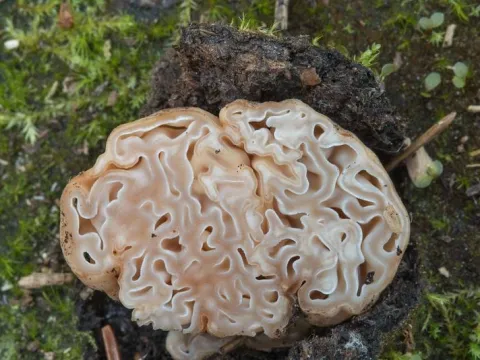
The presence of subterranean, convoluted, and brownish fruit bodies near the root collar is a definitive diagnostic sign. These bodies represent the reproductive stage of the fungus and indicate a well-established colony in the soil.
In mature stands, the infection can lead to tip dieback and a general thinning of the canopy. The structural integrity of the root system is compromised, which may lead to instability of the tree during high-wind events.
Laboratory confirmation is often necessary to distinguish Hydnotrya from other root-rotting pathogens. Microscopic analysis of the spores and hyphal structure is required for accurate species identification.
High soil moisture is the primary driver for Hydnotrya development. Environments with poor drainage or chronic waterlogging provide the optimal conditions for the fungus to flourish and infect new roots.
The fungus thrives in soils rich in decomposing organic matter. An abundance of leaf litter and woody debris creates an ideal substrate for the mycelium to spread before it encounters host roots.
Warm and humid conditions, particularly temperatures ranging from +18°C to +22°C, accelerate the growth rate of the fungus. During these periods, the risk of rapid spread through the soil profile is at its peak.
Soil pH plays a critical role in the pathogen's activity. Acidic soils, often found in coniferous forests, tend to support higher levels of Hydnotrya activity compared to neutral or slightly alkaline soil types.
Lack of competition from other beneficial soil microorganisms also contributes to the dominance of this fungus. Disturbed soil profiles or sterile nursery conditions may allow the pathogen to colonize unchecked.
The primary damage caused by Hydnotrya is the disruption of the symbiotic mycorrhizal network. By displacing beneficial fungi, the pathogen deprives the tree of essential nutrients, specifically phosphorus and nitrogen.
This nutritional deprivation stunts the tree's development and makes it more susceptible to secondary stressors. In forestry, this leads to significant losses in biomass production and timber quality.
The destruction of fine roots also makes the plant less efficient at water uptake. During dry seasons, infected trees are significantly more likely to die from physiological drought compared to healthy counterparts.
Once established, the pathogen can persist in the soil for several years. This creates long-term challenges for replanting efforts, as young seedlings are highly vulnerable to infection from the residual inoculum.
The vulnerability of infected stands increases the likelihood of mortality from secondary pests and diseases, which capitalize on the weakened state of the trees to finalize the collapse of the individual plant.
Prevention starts with selecting appropriate sites for reforestation, focusing on well-drained soils and avoiding areas with a history of water stagnation to minimize pathogen favorability.
Improving soil aeration through cultivation and the application of lime to raise the pH level can effectively create a less hospitable environment for Hydnotrya to persist and reproduce.
Using certified, disease-free nursery stock is essential. Ensuring that young plants are healthy and robust before outplanting provides a buffer against early infection by soil-borne pathogens.
Biological control using antagonistic fungal agents, such as Trichoderma species, has shown promise in suppressing the growth of Hydnotrya by competing for space and nutrients in the rhizosphere.
In cases of severe infestation, removing infected root zones and treating the soil with specialized biofungicides can help manage the pathogen. Strict quarantine measures should be applied to prevent the movement of contaminated soil.