
Hydnotrya confusa
Hydnotrya confusa
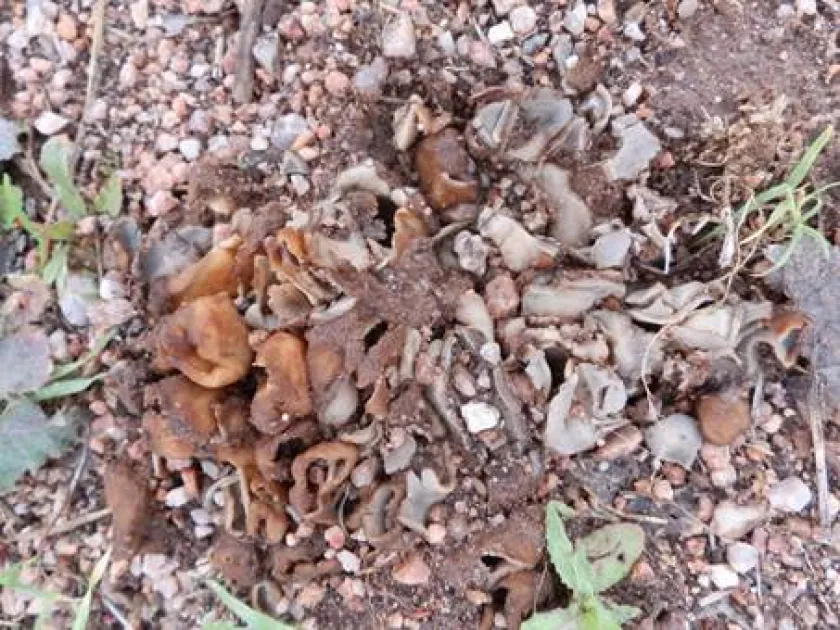
Description
Symptoms
Infected plants typically exhibit symptoms such as general stunting, chlorosis of the lower leaves, and reduced overall plant vigor.
Below-ground inspection often reveals brown, necrotic lesions on the root cortex, accompanied by a reduction in fine root hairs essential for water uptake.
In some cases, a white or greyish fungal mycelium may be visible on the surface of the roots or in the surrounding soil rhizosphere.
Persistent wilting during peak sunlight hours is a diagnostic indicator that the root system is no longer functioning efficiently due to pathogen pressure.
The presence of malformed or gnarled roots often suggests a long-term interaction between the plant and the fungal hyphae.
Pathogen
Hydnotrya confusa is a species of ascomycete fungus within the Discinaceae family. While primarily known to mycologists for its subterranean fruiting bodies, it can also act as an opportunistic pathogen in agricultural settings.
The fungus develops as an extensive mycelial network in the soil, which can interact negatively with the root systems of various plants, leading to a disruption of normal physiological processes.
As a soil-borne pathogen, it utilizes spores for dissemination, which are often transported by soil moisture, invertebrates, or contaminated agricultural equipment.
The biological nature of this organism involves the secretion of specific enzymes capable of breaking down organic matter, which can inadvertently cause root damage in sensitive crop species.
Understanding the life cycle of Hydnotrya confusa is essential for implementing effective monitoring programs in nurseries and field crops alike.
Conditions for development
The growth and spread of Hydnotrya confusa are heavily dependent on high soil moisture levels, especially following periods of heavy rainfall.
Poorly drained, compacted soils provide the low-oxygen environment favored by many soil-borne fungi, facilitating their rapid colonization of the rhizosphere.
Temperature fluctuations between 15°C and 22°C are generally considered conducive to the active expansion of the mycelial network.
Soils rich in decaying organic matter provide the initial nutrient substrate needed for the fungus to establish its presence on a new site.
Continuous cropping of susceptible species without adequate rotation often exacerbates the build-up of the pathogen in the soil profile.
Why it matters
The primary damage results from the colonization of root surfaces, which creates a barrier to the absorption of water and essential mineral nutrients.
By producing toxins during its metabolic processes, the fungus can induce systemic stress in the host plant, resulting in significant yield loss.
Nursery seedlings are particularly vulnerable to damping-off when exposed to high concentrations of the pathogen in potting media.
Root systems weakened by Hydnotrya confusa become highly susceptible to secondary infections by other soil-borne pathogens like Pythium or Rhizoctonia.
Economic losses are compounded by the difficulty of eradicating this fungus once it has become established in the field soil.
Protection
Effective control requires an integrated approach starting with the improvement of soil structure and drainage to prevent waterlogging.
Solarization of the soil during the summer months can be an effective way to reduce the population density of soil-borne pathogens before planting.
The application of biological control agents, such as specific strains of beneficial bacteria or fungi, helps in establishing a competitive soil microbiome.
Strict hygiene protocols, including the disinfection of tools and machinery, are crucial to prevent the accidental introduction of spores to clean areas.
- Implement systematic crop rotation.
- Use certified disease-free transplants.
- Apply balanced organic fertilizers.
- Monitor root health regularly.
Discussion
No discussions yet — be the first.