
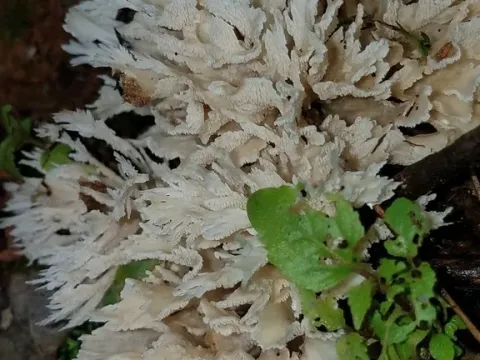
Hydnopolyporus
Hydnopolyporus
The disease is caused by a wood-decaying fungus of the Hydnopolyporus genus. As a member of the basidiomycetes group, it acts as a xylotroph, specializing in the decomposition of lignin and cellulose within woody tissues.
What the section contains
Hydnopolyporus
The fungus establishes its mycelium deep within the heartwood or sapwood of the host plant. It enters the tree through open wounds, broken branches, or root injuries, effectively colonizing the vascular system over time.
Its life cycle involves a vegetative growth stage inside the tree and the formation of characteristic fruiting bodies that emerge on the surface for spore dispersal.
While often acting as a weak parasite on stressed trees, Hydnopolyporus can effectively transition into a primary decay agent, significantly compromising the structural integrity of the wood.
This fungus exhibits high adaptability to various wood substrates, allowing it to survive in both living trees and rotting logs within orchards and forest stands.
The primary symptom is the emergence of distinct fruiting bodies, which appear in rosettes or clusters near the base of the trunk or on large, decaying roots.
The undersurface of the fruiting body features a characteristic hydnoid (spiky) surface, which serves as a definitive diagnostic feature for identifying this fungal pathogen.
Affected trees show visible signs of systemic stress, such as crown dieback, chlorotic leaves, and a significant reduction in seasonal shoot growth and overall vigor.
Internal wood decay typically presents as a fibrous, light-colored rot that gradually softens the structural elements of the trunk, increasing the risk of mechanical failure.
Visible bark cracks and localized soft patches on the trunk often indicate where the mycelium has aggressively broken through the tree's defensive barriers.
The development of Hydnopolyporus is highly dependent on high humidity and mild temperatures, which are essential for the germination of spores and mycelial spread.
Mechanical damage to the bark, caused by maintenance tools, harsh weather, or animal activity, provides the necessary entry points for the fungal infection to take hold.
Trees experiencing physiological stress from drought, poor soil aeration, or nutrient deficiency are significantly more vulnerable to colonization by wood-rotting fungi.
Poorly drained soils that lead to root hypoxia often facilitate the entry of the fungus through the root system, causing infections that remain hidden for years.
Spore dissemination is most intense during periods of warm, wet weather when mature fruiting bodies release millions of spores, which are then transported by wind.
The most severe damage is the extensive degradation of woody tissue, which leads to structural instability, making trees dangerous due to the risk of falling branches or toppling.
The fungus disrupts the tree's xylem, causing a collapse of the water and nutrient transport system, which inevitably leads to the decline and eventual death of the plant.
The infection significantly impairs the tree's health, making it more susceptible to secondary pests and opportunistic pathogens that further accelerate the decay process.
Due to the cryptic nature of the fungus, internal decay is often advanced by the time external symptoms appear, rendering standard curative treatments ineffective.
The presence of an infected tree serves as a continuous source of inoculum, endangering neighboring healthy trees in the vicinity if not managed promptly.
Effective management begins with strict sanitation: the regular pruning of dead branches and the disinfection of all tools to prevent cross-contamination between trees.
All mechanical injuries and pruning cuts should be sealed with appropriate wound dressings or fungicidal pastes to create a physical barrier against spore infiltration.
Fruiting bodies must be physically removed and destroyed via burning to stop the release of spores and reduce the overall infection pressure within the orchard.
Enhancing tree vitality through balanced fertilization, appropriate irrigation, and soil aeration helps maintain a strong immune system capable of resisting fungal invasion.
In cases of advanced decay, the removal of the entire tree is the only viable solution to ensure safety and to eliminate the primary source of the fungal pathogen.