
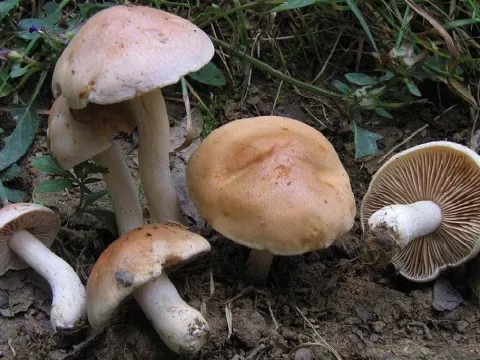
Hebeloma
Hebeloma
Hebeloma is a genus of mushrooms within the Strophariaceae family. While not a classical plant pathogen, in nursery settings, these fungi can significantly alter the growth environment for seedlings.
What the section contains
Hebeloma
The fungus develops a mycelial network that forms an ectomycorrhizal relationship with the tree roots, which under high density becomes detrimental to the host.
Reproduction occurs through spore dispersal and the expansion of the underground mycelium, which colonizes the rhizosphere of various forest tree species.
The fungus produces distinct chemical compounds that may disrupt the natural soil balance, affecting the physiological processes of the young plants.
Biological success of Hebeloma is tied to its ability to utilize organic debris in the soil, allowing it to survive even in the absence of a host plant.
The most evident sign is the emergence of mushrooms with characteristic odors in the vicinity of saplings during favorable climatic conditions.
Seedlings may show signs of stunted growth, chlorosis, and reduced vigor compared to plants in non-colonized nursery sections.
Root systems often exhibit visible fungal mantles or thick mycelial mats that impede the normal uptake of water and essential mineral nutrients.
In severe cases, the tips of young roots may show signs of necrotic tissue as the fungus aggressively colonizes the root cap.
Laboratory examination of root sections typically reveals internal and external colonization by hyphae, confirming the presence of the fungal infection.
High soil moisture and lack of proper drainage are the primary environmental drivers for the rapid proliferation of Hebeloma species.
The fungus thrives in organic-rich soils where the decomposition process provides the necessary energy for mycelial expansion and mushroom production.
Mild to moderate temperatures facilitate the growth cycle, leading to intensive sporulation throughout the growing season in affected nurseries.
Frequent reuse of nursery beds without implementing proper crop rotation allows the inoculum to build up in the soil over several years.
Poor soil aeration inhibits beneficial microbial activity, allowing opportunistic fungi like Hebeloma to dominate the root zone environment.
The primary harm is the nutrient competition between the fungus and the host plant, resulting in reduced height and biomass of the seedlings.
Plants colonized by the fungus are more susceptible to water stress, as the fungal mantle can block the root hairs' ability to absorb moisture efficiently.
Reduced seedling quality leads to economic losses, as saplings fail to meet the required standards for reforestation or commercial sale.
The debilitated state of the root system makes young trees highly susceptible to secondary infections by other soil-borne pathogens.
High mortality rates during transplanting are often associated with plants that were heavily colonized by Hebeloma during their nursery stage.
Effective prevention involves optimizing irrigation schedules to prevent excessive soil moisture in the nursery beds.
Manual removal and destruction of fruiting bodies before they release spores can significantly reduce the infection pressure for the next season.
Strategic application of fungicides specifically targeted at soil-borne fungi can provide temporary control when colonization density becomes high.
Improving soil structure and balancing nutrient levels helps the plants maintain a stronger defense against excessive fungal colonization.
- Implement strict crop rotation in nurseries.
- Ensure adequate soil drainage and aeration.
- Use certified healthy seedlings for planting programs.