
Hebeloma sarcophyllum
Hebeloma sarcophyllum
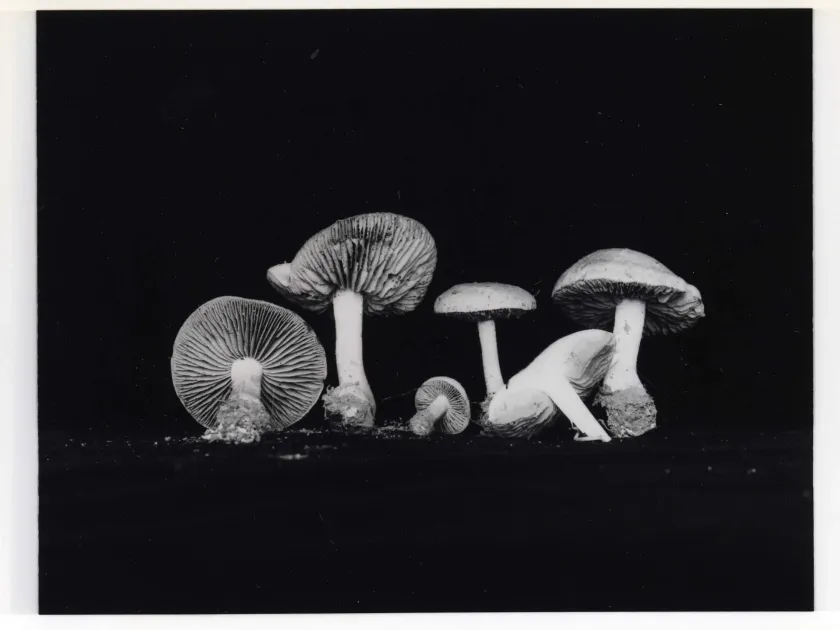
Description
Symptoms
The most visible sign of Hebeloma sarcophyllum is the emergence of mushrooms with distinctive pink-tinged gills near the base of affected plants.
Infected crops typically show symptoms of wilting that do not respond to additional watering. This suggests root system dysfunction caused by the fungal proximity.
Plants often exhibit stunted growth and yellowing leaves (chlorosis). In severe cases, the foliage may develop necrotic margins due to nutritional deficiencies.
Inspection of the soil around the plant base often reveals a white, web-like mycelium that binds soil particles together around the roots.
- Wilting of lower leaves.
- Stunted vegetation and delayed flowering.
- Appearance of pink-gilled mushrooms near the crop.
- Reduced root vitality and darkening of root tips.
Pathogen
Hebeloma sarcophyllum is a fungal species belonging to the Strophariaceae family. While primarily a soil-dwelling fungus, its presence in agricultural fields can indicate ecological imbalance.
The pathogen is a basidiomycete that thrives on decomposing organic matter. It utilizes its mycelium to permeate the soil, often interacting with plant root systems.
It is classified as a soil-borne pathogen. While not a classic necrotrophic parasite, its dense mycelial mats can obstruct nutrient uptake and water absorption by crops.
Biological propagation is achieved through basidiospores. These spores are released from mature fruit bodies and dispersed via wind and irrigation water throughout the field.
The fungus is highly persistent in soil environments, remaining dormant as mycelium during adverse weather conditions and reactivating when moisture levels rise.
Conditions for development
High soil moisture levels are the primary trigger for the rapid colonization of Hebeloma sarcophyllum in agricultural fields or greenhouses.
The fungus prefers temperate climates with consistent humidity. It grows most actively when soil temperatures remain within the 15 to 22 degrees Celsius range.
Soil rich in decomposing vegetable matter or organic mulch provides an excellent substrate for the fungus to establish its primary mycelial network.
Poorly drained, heavy clay soils or areas with standing water encourage the fungus to spread, as it outcompetes beneficial microbes in saturated conditions.
Acidic soil environments further favor the growth of this species, allowing it to dominate the rhizosphere and negatively impact the crop's natural defense mechanisms.
Why it matters
The primary damage caused by this fungus is the competitive depletion of soil nutrients, which directly translates into reduced plant vigor and lower yields.
Root system disruption leads to an inability to manage water stress, making plants highly susceptible to minor droughts that would otherwise be non-lethal.
Metabolic interference caused by fungal exudates can stress the plant, making it more vulnerable to secondary bacterial infections or opportunistic pests.
Large-scale infestations can lead to significant loss of plant stands, forcing farmers to re-cultivate large sections of their fields, causing economic strain.
Long-term soil health may be degraded by an overabundance of this fungus, as it alters the microbial composition essential for sustainable nutrient cycling.
Protection
Effective management begins with soil aeration and proper drainage, which limit the moisture levels required for the fungus to thrive and spread.
Regular sanitation of the field, including the removal of decaying organic debris, helps eliminate the substrate necessary for the fungal growth.
The application of approved systemic fungicides can effectively halt the progression of the mycelium in the soil when initial symptoms are detected.
Implementing strict crop rotation cycles prevents the buildup of fungal spores and helps restore the balance of beneficial bacteria and fungi in the soil.
Adjusting soil pH through liming creates an environment that is unfavorable for many soil-borne fungi, providing a long-term preventive strategy for the crops.
Discussion
No discussions yet — be the first.