
Graphostroma
Graphostromataceae
The disease is caused by the fungus Graphostroma platystomum, which belongs to the family Graphostromataceae. This ascomycete fungus leads a predominantly saprotrophic, and sometimes weakly parasitic, lifestyle on woody substrates.
What the section contains
Graphostroma
The biology of this pathogen is closely linked to the process of lignin and cellulose decomposition in dead wood. The mycelium of the fungus actively penetrates plant tissues, utilizing enzymatic systems to break down cell walls.
The reproductive structures of the fungus form characteristic stroma that develop under the periderm or in the cracks of the bark of infected trees. This ensures that the spores are protected from adverse environmental factors.
The life cycle includes the formation of conidia (asexual spores) and ascospores (sexual spores), which allows the fungus to rapidly colonize new areas of wood.
Unlike aggressive pathogens, Graphostroma platystomum often acts as a secondary colonizer; however, when the tree's immune system is weakened, it can accelerate the tissue death process.
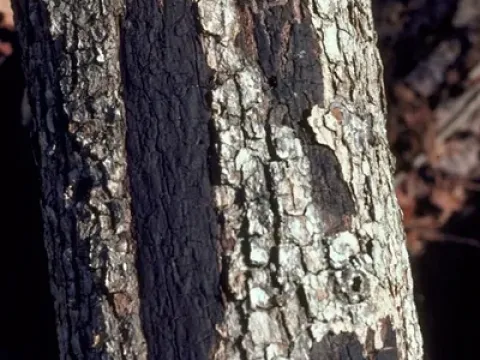
A primary sign of infection is the appearance of characteristic dark, flat fungal stroma on the bark of branches and trunks, often having an angular shape.
In areas where the fungus develops, the bark may develop necrotic spots that gradually die off and crack, exposing the wood.
Upon close inspection of the affected areas, small black protrusions are visible, representing the fruiting bodies (ascostromata) of the pathogen.
Foliage on affected branches may turn yellow and fall off prematurely due to the disruption of the tree's vascular system in the bark lesion zone.
The overall condition of the plant deteriorates, with dieback becoming particularly noticeable during dry periods of the year.
The most favorable conditions for fungal development are high air humidity and moderate temperatures during the spring and autumn periods.
The pathogen spreads actively in forest stands where high density prevents normal air circulation and bark drying.
Weakened trees, stressed by moisture deficit or damage from insect pests, become the most vulnerable to colonization.
The presence of mechanical bark damage, such as frost cracks or sunscald, creates entry points for the infection.
The fungus persists in infected wood for a long time, remaining a source of spores for secondary infection of neighboring healthy individuals.
The main damage consists of the destruction of the cambium and the disruption of normal sap flow within the tree, leading to the gradual drying out of individual branches or the entire plant.
In forestry, this fungus can reduce the commercial value of the wood, making it unsuitable for use in construction or carpentry.
Massive spread of the pathogen in weakened stands contributes to the premature decline of trees within the forest ecosystem.
The development of the disease creates an unfavorable phytosanitary background, provoking the development of other associated fungal infections.
Accelerated wood decay leads to a loss of biological diversity in the ecosystem if valuable tree species are affected.
The primary protective measure is regular sanitary logging aimed at removing infected and dead trees from the stands.
It is necessary to strictly follow forest management rules, avoiding mechanical damage to trunks during forestry operations.
To increase the resistance of the stands, it is recommended to select tree species that are most resistant to local pathogens and regional climatic conditions.
An important technique is the timely clearing of the territory from logging residues, which can serve as an infection reservoir.
In nurseries and ornamental plantings, the use of broad-spectrum fungicides may be applied when the first signs of bark disease appear.