
Graphostroma
Graphostroma
Graphostroma is a fungal disease caused by the ascomycete fungus Graphostroma platani (syn. Graphostroma platani-occidentalis). This pathogen belongs to the order Xylariales and is known for infecting the bark and wood tissues of woody plants.
What the section contains
Graphostroma
The fungus generally exhibits saprotrophic or weakly parasitic behavior, colonizing weakened bark tissues or the cambium layer. Spore production takes place within specific structures called stromata, which develop beneath the plant's periderm.
The pathogen can remain viable for extended periods within infected plant debris, serving as a reservoir for infection in gardens and forests. Its life cycle involves the formation of conidia, which are easily dispersed by wind and rain.
The fungus enters the host through physical wounds, frost cracks, or bark damage. Once inside, it begins to colonize the conductive tissues, gradually hindering the tree's vital physiological functions.
The mycelium eventually degrades wood structure, disrupting the flow of water and nutrients throughout the tree. Understanding the biology of this pathogen is essential for effective diagnostic and management practices.
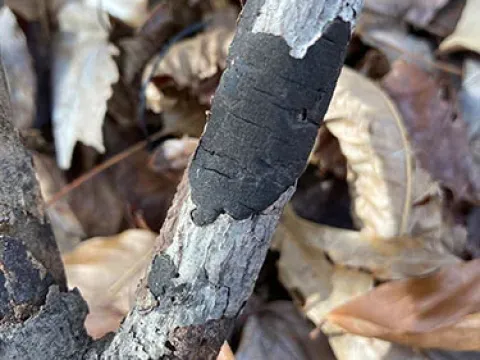
The primary symptom of this disease is the appearance of localized necrosis on the bark of branches. These dead areas often turn dark or black and may develop visible cracks.
In affected areas, you can often observe the development of black, flat, or slightly protruding stromata beneath the peeling bark. These structures are the most reliable diagnostic feature for identifying this specific pathogen.
As the infection progresses, the affected bark loses its elasticity and begins to slough off, exposing the underlying woody tissue. In heavily infected trees, the dieback of skeleton branches is a common observation.
Leaves on infected branches often show chlorosis, followed by premature wilting and abscission. This occurs because the fungal colonization impairs the transport of water and essential minerals to the canopy.
In advanced stages, the disease spreads to the trunk, leading to the formation of deep ulcers. The tree progressively loses its aesthetic value and overall structural integrity, eventually becoming a liability.
The development of Graphostroma is favored by significant temperature fluctuations, especially during late winter and early spring, which cause frost cracks in the bark. These wounds act as primary entry points for the fungus.
High humidity and frequent rainfall are essential for the germination of fungal spores and their subsequent spread. Densely planted areas with poor air circulation are particularly susceptible to severe outbreaks.
Tree stress caused by environmental factors, such as prolonged drought or waterlogging, significantly weakens natural defenses. A stressed tree is far more likely to succumb to Graphostroma infection than a vigorous one.
Conidia are spread mainly through rain splashes, which help release them from the fungal stromata. Wind then carries these spores to nearby healthy trees, facilitating the spread of the disease.
Neglected maintenance, particularly the failure to perform regular sanitary pruning, allows the infection to build up. Monitoring the health of trees is crucial for early detection and containment.
The main impact of Graphostroma is the gradual dieback of branches, which significantly degrades the ornamental and economic value of trees. This poses safety risks due to falling deadwood in public areas.
The disease severely stunts growth and weakens the tree's physiological state. Without proper management, a tree may eventually perish, particularly if it is already compromised by other factors.
The infection can easily jump to neighboring healthy trees, making it a serious threat in nurseries and botanical collections. Containment is often difficult once the disease is established in a population.
Disruption of photosynthesis and nutrient uptake depletes the tree's energy reserves. This metabolic depletion makes the tree a target for secondary pests, including various wood-boring beetles.
Economic losses arise from the need to remove dead trees and the difficulty of replacing lost mature specimens. Proactive management is always more cost-effective than attempting to treat advanced infections.
The most important control measure is the immediate sanitary pruning of all infected branches. Cuts must be made into healthy wood, and the wound should be sealed with a fungicide or wound dressing.
Sterilizing pruning tools between each cut is mandatory to prevent the mechanical transfer of spores. Using a disinfectant solution ensures that you are not spreading the infection to healthy parts of the garden.
Preventive spraying with copper-based fungicides during the dormant season (early spring or late autumn) helps reduce the overall inoculum load. Thorough coverage of all bark surfaces is essential for success.
Good horticultural practices, such as proper fertilization, adequate watering, and crown thinning, improve tree vigor. A healthy, well-nourished tree possesses a much stronger natural resistance to fungal invasion.
If a tree is found to have a severe, untreatable infection, it should be removed and destroyed to prevent further spread. Burning or deep burial of infected plant material is recommended to eliminate the disease reservoir.