
Graphiopsis chlorocephala
Graphiopsis chlorocephala
Description
Symptoms
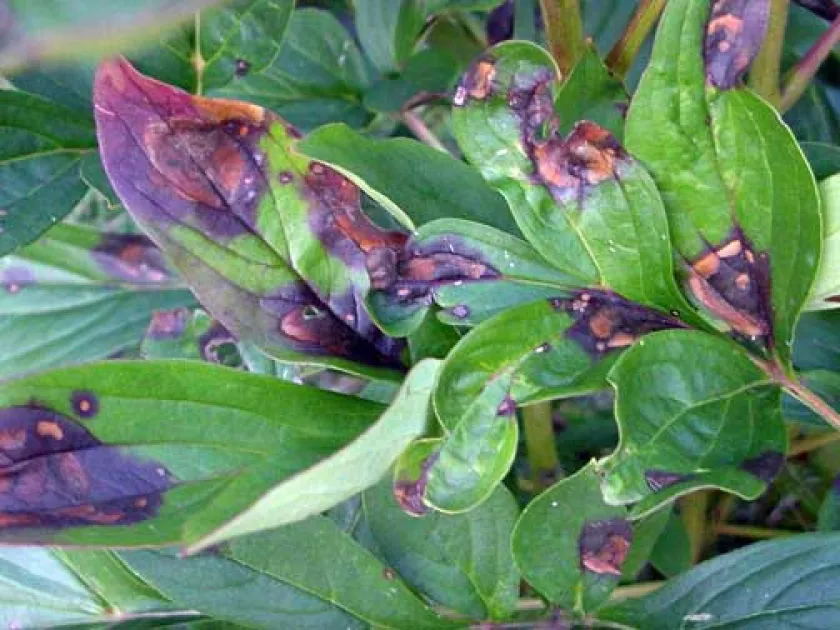
The primary symptom of Graphiopsis chlorocephala infection is the formation of dark or olive-green spots on various plant parts. These symptoms are most commonly observed on ears, leaf sheaths, and upper stem nodes of cereals.
Under high humidity, the spots are covered with a characteristic olive-colored sporulation layer. This dusting of conidia on the plant surface is a hallmark of the infection and often helps in distinguishing it from other leaf spot diseases.
Necrotic areas caused by the fungus may eventually enlarge and merge, leading to premature drying of the infected tissues. In cases of severe infestation, the entire ear may show signs of discoloration, affecting the grain filling process.
Symptoms are often more pronounced on crops that are approaching maturity. The presence of the pathogen may be confused with other diseases, necessitating microscopic examination to confirm the identity of the fungus based on its specific structures.
Typical indicators of the infection include the following:
- Olive-green discoloration of the glumes.
- Visible fungal growth on necrotic spots.
- Darkening of the stem nodes during the ripening phase.
- Premature senescence of the foliage.
Pathogen
The causal agent of this disease is the micromycete Graphiopsis chlorocephala (synonym Hyalothyridium chlorocephalum). It belongs to the group of mitosporic fungi that often act as saprotrophs on dead plant tissues or weak parasites on stressed plants.
The fungus is characterized by the production of distinctive conidial fruiting bodies. These structures develop on the surface of infected plant organs, especially on the glumes and stems of cereals, during specific developmental stages of the host plant.
The pathogen's life cycle is closely tied to crop residues left in the field. It survives the winter or unfavorable environmental conditions within the organic matter of the soil, remaining dormant until temperatures and humidity become suitable.
Biological studies of this species highlight its association with other fungi involved in the complex of leaf and head blight diseases. Accurate identification of Graphiopsis chlorocephala is crucial for mycological research and crop disease monitoring.
Dissemination occurs primarily through conidia, which are dispersed by rain splashes, wind, or various insects. Understanding these pathways is essential for developing effective prevention strategies in agricultural practice.
Conditions for development
Favorable conditions for the development of Graphiopsis chlorocephala involve prolonged periods of high humidity and rainfall. The fungus thrives when moisture levels on the plant surface remain elevated for several days.
The temperature range between 18°C and 25°C is considered optimal for the fungal growth and sporulation. These conditions speed up the disease cycle, leading to faster colonization of the host plant.
Fields with high levels of crop residue on the surface are more susceptible to outbreaks. The residues act as a primary inoculum reservoir, which is particularly problematic in minimum tillage systems if management is not adequate.
Poor ventilation within the crop canopy, caused by high plant density, promotes the development of the disease by maintaining a humid microclimate. This environment is highly conducive to fungal infection and spread.
Lack of crop rotation and continuous cultivation of susceptible cereals significantly increase the inoculum pressure in the field. Consequently, the disease is more likely to reach epidemic levels in such scenarios.
Why it matters
The economic impact of the disease lies in the reduction of grain yield and quality. Infected plants often produce shriveled grains with lower weight, which negatively affects the market value of the harvest.
The quality of the grain can be further compromised by the presence of toxins produced by the pathogen, rendering it unsuitable for food processing or long-term storage under standard conditions.
Structural damage to the stem and ear tissues may increase the plant's susceptibility to lodging, especially under heavy wind or rain. This, in turn, can complicate mechanical harvesting and lead to significant grain loss.
Furthermore, infection by Graphiopsis chlorocephala weakens the plant, making it more susceptible to secondary infections by other opportunistic pathogens. This complex of diseases often exacerbates the overall damage to the crop.
Finally, the presence of the fungus significantly lowers the aesthetic and sanitary quality of the harvest. This often leads to downgrading the grain quality, resulting in financial losses for the farmers.
Protection
Cultural control practices are the cornerstone of managing Graphiopsis chlorocephala. Implementing sound crop rotation is the most effective method to disrupt the pathogen's life cycle and prevent the build-up of inoculum.
Proper field management, including the incorporation of crop residues into the soil through deep plowing, helps in accelerating the decomposition process and reducing the survival chances of the fungus.
Chemical control using fungicides is recommended when disease pressure is high. Applying appropriate systemic fungicides during the vegetative period, specifically at the heading stage, can effectively suppress the infection.
Maintaining optimal soil fertility and plant nutrition is crucial for strengthening the plant's natural resistance. Adequate potassium and phosphorus levels contribute to better physiological resilience against various fungal stressors.
Continuous monitoring and weed control are also vital to eliminate alternative hosts and reduce humidity in the field. Integrating these methods ensures a comprehensive approach to mitigating the risk posed by the disease.
Discussion
No discussions yet — be the first.