
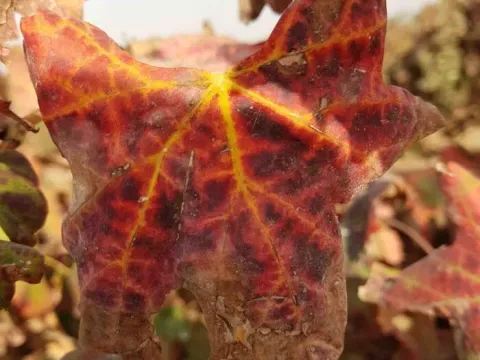
Grapevine chlorosis
Possible interaction
Chlorosis in Roditis grapevines is typically a non-infectious condition caused by a disruption in the plant's metabolic functions. The primary driver is a deficiency of available iron in the plant tissues, hindering chlorophyll synthesis.
What the section contains
Grapevine chlorosis
This condition is frequently induced by excessive calcium carbonate levels in the soil, which renders iron unavailable for root uptake. Poor aeration and waterlogged soil conditions also contribute significantly to the development of symptoms.
Deficiencies in other essential microelements, such as magnesium, zinc, or manganese, can also mimic the symptoms of chlorosis. Improper rootstock selection for specific soil types often exacerbates these physiological imbalances.
As a physiological disorder, it acts as a systemic failure rather than a biological pathogen infection. However, it severely impacts the overall photosynthetic capacity of the grapevine.
The condition affects cultivated grapevines, with the Roditis variety showing specific susceptibility when grown in incompatible geological environments. Soil chemistry management is essential for long-term vine health.
The initial symptom is the yellowing of the leaf blade while the veins remain distinctively green. This results in a clear net-like or marble pattern across the leaf surface.
As the condition advances, the leaf color shifts toward pale yellow or white, eventually leading to marginal necrosis. The leaves lose their turgidity and become brittle, indicating a critical nutritional deficit.
Shoot growth is significantly stunted, with internodes becoming shortened and weak. Terminal shoot dieback is common in severe cases where the plant's nutritional requirements are not met.
Flowers on chlorotic vines often abort, resulting in poor fruit set and reduced yields. Any remaining berries fail to reach their full potential size and do not develop characteristic sugar levels.
Symptoms are most visible on young, developing foliage during the peak growing season. Regular visual inspection is necessary to identify the condition before it affects the entire canopy.
High carbonate content in the soil is the primary environmental trigger for grapevine chlorosis. A high pH level binds iron, making it unavailable to the roots regardless of its concentration in the soil.
Cool, wet spring weather often precipitates the onset of symptoms. Low temperatures inhibit root metabolic activity, limiting the uptake of essential nutrients during the most critical growth phase.
Compacted, poorly drained soil restricts oxygen availability to the root system. Roots in an anaerobic environment cannot efficiently transport nutrients, leading to rapid yellowing of the leaves.
Choosing an incompatible rootstock for Roditis grapes in calcareous soil is a major risk factor. Proper site selection and rootstock matching are vital for preventing physiological disorders.
Environmental stress, such as sudden drought or high moisture flux, weakens the plant's ability to maintain its chemical balance. These fluctuations often trigger latent chlorotic symptoms.
Chlorosis severely disrupts photosynthesis, causing a massive reduction in the vine's carbohydrate production. This depletion limits the energy reserves needed for vegetative growth and fruit maturation.
Affected vines show poor wood maturity, leading to decreased cold hardiness. During winter, chlorotic vines are much more likely to suffer from freeze damage compared to healthy plants.
While not a pathogen-driven disease, the weakened state of the vine makes it highly susceptible to fungal infections. Diseases like powdery mildew and downy mildew easily exploit the vine's low defenses.
Yield losses are substantial, often reaching over 50% in severe cases. Furthermore, the quality of the fruit is compromised, making it unsuitable for high-quality wine production due to acid imbalances.
If untreated, chronic chlorosis leads to the degradation of the vineyard's productivity and eventual vine death. Replacing or rejuvenating chlorotic vines is a costly and time-consuming process.
The most effective treatment is the application of foliar sprays containing chelated iron. This method bypasses soil issues and provides the plant with immediately available nutrients.
Soil acidification treatments can help improve nutrient solubility and long-term availability. This is a standard management practice in calcareous vineyard sites.
Improving soil structure through mechanical cultivation and drainage systems helps maintain adequate oxygen levels for the root system. Healthy roots are essential for preventing physiological chlorosis.
Preventative measures include thorough soil testing and selecting rootstocks specifically adapted to calcareous or alkaline soil conditions before planting.
- Application of Fe-EDDHA chelates.
- Soil pH adjustment with acidifying fertilizers.
- Ensuring proper soil drainage and aeration.
- Monitoring leaf nutrient levels through periodic analysis.