
Grapevine Esca
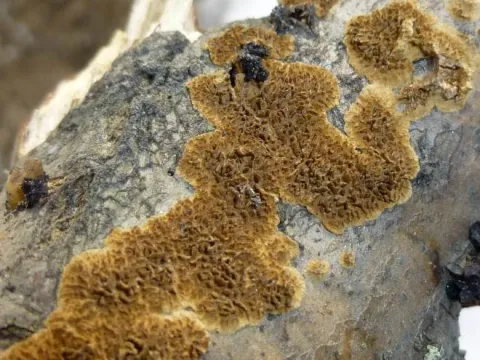
Fomitiporia punctate
Grapevine Esca is a complex of wood-inhabiting fungal diseases that pose a significant threat to global viticulture. The primary pathogen associated with the decay phase in Europe is the fungus Fomitiporia punctata, which often works in concert with other species like Phaeomoniella chlamydospora and Phaeoacremonium aleophilum.
What the section contains
Grapevine Esca
These pathogens function as weak parasites that colonize the xylem of the grapevine. Infection typically occurs through pruning wounds or other mechanical injuries where fungal spores land and germinate, gradually penetrating deeper into the woody tissues of the trunk and cordons.
The biology of these fungi involves the secretion of extracellular enzymes that break down the plant's lignin and cellulose. This process causes a gradual degradation of the vascular system, leading to white rot and the formation of a soft, spongy internal wood structure.
As the fungal colonies grow, they release toxic metabolites that travel through the transpiration stream. These toxins are responsible for the severe leaf symptoms and the sudden wilting characteristic of the disease's acute phases.
Esca is characterized by a long latent period. A vine may be colonized for several years without showing any external symptoms, making the infection difficult to detect until substantial structural damage has already occurred within the woody parts of the plant.
The most iconic symptom of Esca is the tiger-stripe pattern on leaves. This appears as yellow or reddish-brown necrotic spots located between the veins, often bounded by a dark green halo, which gives the leaf its unique mottled appearance.
Internally, the woody tissue of an infected vine shows severe decay. Cross-sections of the trunk or cordons reveal soft, brittle, whitish-yellow wood with dark, distinct margins, indicating the presence of active fungal degradation known as white rot.
Berry symptoms are also common in diseased vines. Fruits often display small, dark, irregular spots (frequently called black measles), which can lead to cracking and premature shriveling of the bunches before harvest.
The apoplectic or acute form is the most dramatic symptom. In hot summer weather, a vine that appeared healthy may suddenly collapse and die within a few days, as the damaged vascular system can no longer supply the leaves with water during high transpiration.
- Tiger-striped necrosis on the foliage.
- Soft, spongy, and discolored woody tissue in the trunk.
- Black measles or dark spots on ripening berries.
- Sudden leaf scorch and vine wilting (apoplexy).
- Gradual decline in shoot growth and vigor.
The development of Esca is heavily influenced by the conditions under which pruning occurs. Moist, humid weather during the pruning season promotes the release and spread of spores, which are then easily transported by wind or rain to pruning wounds.
Vineyard age is a major factor in the disease's prevalence. Older vineyards with a long history of pruning injuries have a much higher risk of fungal colonization, as the accumulation of dead wood provides an ideal substrate for the pathogens.
Temperature plays a crucial role in the manifestation of symptoms. High temperatures during mid-summer trigger the movement of fungal toxins, leading to the rapid expression of acute leaf symptoms and the potential for apoplectic collapse.
Mechanical stress, such as frost damage or hail, can create additional infection points. These injuries, if left untreated, allow spores to bypass the vine's natural defense mechanisms and establish new colonies.
Ecological factors also play a part. The presence of nearby woodlots or old fruit trees infected with wood-decay fungi serves as a constant reservoir of spores, increasing the overall infection pressure on the vineyard.
The primary harm caused by Esca is the loss of productive capacity. As the disease degrades the vascular tissue, the vine struggles to transport water and nutrients, resulting in significantly lower yields and poor fruit quality.
Esca is a progressive disease that eventually leads to the death of the entire vine. The replacement of dead or dying vines requires a massive investment of time and capital, significantly impacting the vineyard's long-term profitability.
Fruit quality is severely compromised in affected vines. Reduced sugar accumulation and physiological stress mean that the resulting grapes are often unsuitable for high-quality wine production, leading to economic losses for winemakers.
The disease's unpredictability makes it a nightmare for vineyard managers. A significant portion of a vineyard can be lost in a short period, leaving gaps in the rows that interfere with mechanical harvesting and general maintenance.
Because there are no curative treatments currently available for infected wood, the damage caused by Esca is essentially permanent and cumulative over the lifespan of the vineyard.
Strict sanitation is the most effective control measure. Pruning tools must be disinfected between every vine to prevent the transfer of fungal spores from diseased to healthy plants during the pruning process.
Protecting pruning wounds is essential. Applying protective wound dressings or fungicide-based sealants immediately after pruning can help prevent spores from settling and colonizing the open wood tissues.
Regular monitoring and the removal of infected vines are necessary to reduce the inoculum load in the vineyard. All diseased wood should be burned to destroy the fungus and prevent it from spreading.
Preventive fungicide sprays after pruning can provide an additional layer of protection, especially in areas with high disease pressure. While not a cure, this practice helps protect newly exposed surfaces.
Good viticultural practices, including balanced fertilization and proper water management, help keep the vines vigorous. A healthy, stress-free vine is better equipped to compartmentalize infections and limit the spread of the fungus within its woody structure.