
Glonium
Glonium
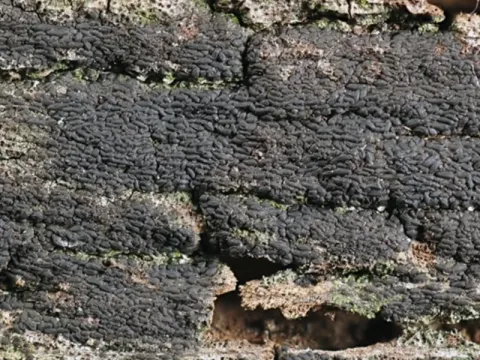
The primary symptom of a Glonium infection is the appearance of small, black, elongated or slightly curved fruiting bodies on the surface of tree bark. These structures, often appearing as dark, thin streaks, are tightly attached to the substrate.
What the section contains
Glonium
Affected bark areas tend to become brittle, dry, and may show signs of cracking or peeling. Over time, the localized tissues may lose their structural integrity and take on a dull grey or brownish appearance due to fungal decay.
These fungal structures often cluster together, forming noticeable patches on the branches or trunks. They are usually more visible after rain when the moisture causes the fruiting bodies to swell slightly.
While Glonium often thrives on dead or dying plant matter, it can spread to healthy tissues of weakened trees, leading to patches of tissue necrosis that obstruct nutrient transport.
Early identification is difficult as the fungus grows primarily within the inner layers of the bark, surfacing only when environmental conditions are conducive to spore production.
Glonium refers to a genus of fungi belonging to the Dothideomycetes class. These organisms are primarily saprotrophic, specializing in the breakdown of lignin and cellulose within dead or dying woody tissues.
The life cycle involves the production of ascospores, which are disseminated by wind and rain splashes. Once these spores land on a suitable surface, they germinate and penetrate the bark to form a mycelial network.
The fungus secretes specialized enzymes that break down the complex organic matrix of the bark. This enzymatic activity allows the fungus to efficiently utilize the nutrients present in the host plant.
In winter or dry periods, the fungus survives in a dormant state, maintaining its presence in the bark until favourable moisture conditions return. The ability to endure environmental stress makes it a persistent inhabitant of woody substrates.
While typically classified as a saprotroph, the fungus can act as an opportunistic pathogen when a tree's defense systems are compromised, accelerating the decay of vulnerable bark tissues.
High humidity and consistent rainfall are the primary environmental drivers for the development and spread of Glonium. Excessive moisture provides the necessary environment for the fungus to germinate and proliferate.
Mechanical damage to the bark, such as frost cracks, sunscald, or pruning wounds, serves as an entry point for the fungus. These injuries provide the initial access to the inner bark tissues where the fungus thrives.
Poorly ventilated tree canopies create stagnant, humid microclimates that are ideal for the rapid growth of fungal infections. Trees that are not properly pruned are significantly more susceptible to these conditions.
Trees undergoing stress due to inadequate nutrition, water deficiency, or poor soil management are at a higher risk of being colonized. A healthy tree with a robust bark barrier is better able to resist colonization.
The presence of decomposing plant material in the orchard environment acts as a reservoir for spores, increasing the overall infection pressure on healthy trees during humid seasons.
The main harm caused by Glonium is the gradual degradation of the bark, which is essential for protecting the tree and transporting water and nutrients. Damage to the bark layers interferes with these vital processes.
Localized infections on branches lead to progressive desiccation and dieback, which diminishes the total photosynthetic capacity of the tree and ultimately reduces fruit yield.
If the infection spreads to the main trunk or scaffold branches, it can compromise the structural integrity of the tree, potentially leading to long-term decline or even death in severe cases.
The disease reduces the plant's overall cold hardiness, making it more vulnerable to extreme temperature fluctuations during the dormant season. This susceptibility often leads to further damage from freezing.
In nursery settings, the presence of Glonium on seedlings significantly lowers their market value and quality, leading to financial losses and the need to discard infected inventory.
Effective management begins with strict sanitation practices, including the regular removal and destruction (burning) of infected branches to eliminate sources of fungal spores from the orchard.
All mechanical wounds on the bark should be properly cleaned and treated with fungicidal solutions or wound-sealing pastes to prevent the establishment of fungal colonies.
Applying copper-based fungicides during the early spring and autumn provides a protective barrier on the bark, which helps suppress spore germination and inhibits the expansion of the infection.
Maintaining strong tree vigor through balanced fertilization and proper irrigation helps the tree bolster its natural defenses against fungal attacks, allowing for quicker healing of any potential injuries.
Applying tree trunk whitewash in the spring is a recommended practice to protect bark from sunscald and cracking, thereby reducing the opportunities for fungal pathogens like Glonium to penetrate the tree tissues.