
Glomerellaceae
Glomerellaceae
Glomerellaceae is a family of fungi within the order Phyllachorales, known for containing several destructive plant pathogens that cause significant agricultural damage.
What the section contains
Glomerellaceae
The most prominent member of this family is Glomerella cingulata (anamorph Colletotrichum gloeosporioides), which causes anthracnose in a vast array of crops.
These fungi are specialized parasites that infect plant tissues by penetrating the epidermis or entering through natural openings such as stomata.
The pathogens persist through the dormant season as mycelium or spores on plant debris, in soil, or on infected perennial stems and branches.
The biological complexity of these fungi, including their ability to reproduce both sexually and asexually, allows them to adapt quickly to different agricultural environments.
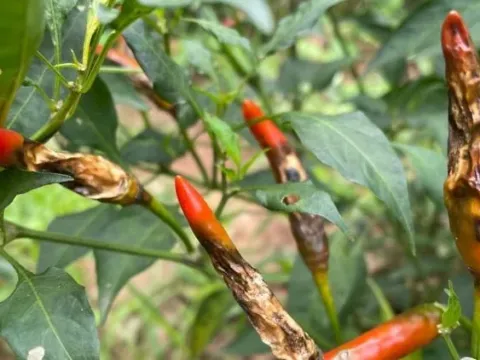
Symptoms typically manifest as small, sunken, water-soaked spots that progressively expand and turn dark brown or black.
Under conditions of high humidity, the centers of these lesions often produce masses of spores, appearing as pink or orange pustules or gelatinous droplets.
Infected fruits frequently show circular, depressed lesions that may merge to cover large areas, leading to fruit rot and premature fruit drop.
Shoot blight and dieback are also common, particularly in woody perennials, where the fungus causes cankers on stems and branches.
- Sunken necrotic lesions on leaves and stems.
- Pink or orange spore masses on infected surfaces.
- Deformed and rotting fruits.
- Wilting and dieback of young shoots and blossoms.
Glomerellaceae fungi thrive in environments characterized by high relative humidity (above 80-90%) and sufficient rainfall or heavy dew.
The optimal temperature range for spore germination and rapid mycelial colonization lies between +20°C and +28°C (68°F to 82°F).
Frequent rain splash and wind are the primary vectors for dispersing spores from infected plant material to healthy tissues during the growing season.
Plants weakened by mechanical injury, sunscald, or existing pest damage are significantly more susceptible to successful colonization by these fungi.
High-density planting and poor air circulation in greenhouses create an ideal microclimate for the rapid development of fungal outbreaks.
The primary economic harm caused by Glomerellaceae includes significant yield reduction, often ranging from 30% to over 70% in untreated fields.
Infected crops suffer from poor marketability, as the disease progresses rapidly post-harvest, leading to massive losses during transportation and storage.
Perennial crops experience cumulative stress, leading to long-term decline, reduced winter hardiness, and increased susceptibility to secondary infections.
Contaminated seeds often result in poor germination rates and the subsequent death of seedlings, leading to reduced plant density in the field.
The necessity for intensive fungicide applications increases operational costs, which puts downward pressure on the profitability of the agricultural enterprise.
Effective management begins with strict sanitation practices, such as removing and destroying crop residues to eliminate overwintering inoculum.
The use of certified, disease-free seed and planting material is the most fundamental step in preventing the introduction of these pathogens.
Regular pruning of infected branches in orchards and vineyards helps reduce the local disease pressure and improves air circulation.
Strategic application of contact and systemic fungicides is essential, timed according to environmental risk and the developmental stages of the crop.
Implementing crop rotation and selecting resistant or tolerant cultivars are critical components of an integrated pest management strategy to break the infection cycle.