
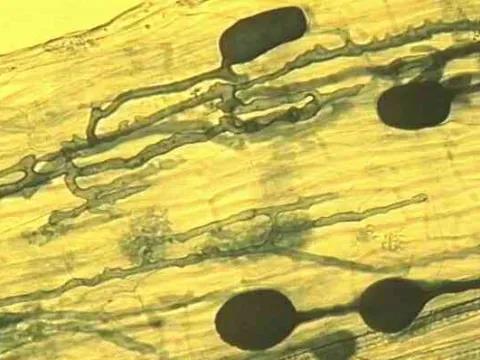
Glomus
Glomus
The genus Glomus is not a plant pathogen; it is a vital group of soil fungi belonging to the phylum Glomeromycota. These organisms establish a symbiotic relationship with plant roots known as arbuscular mycorrhiza (AM).
What the section contains
Glomus
The fungus colonizes the root cortex and forms highly branched structures called arbuscules. Through these interfaces, the fungus transfers mineral nutrients, such as phosphorus and nitrogen, to the plant in exchange for carbohydrates.
Unlike parasitic fungi that cause plant diseases, Glomus fungi do not damage plant tissues. They are integral to plant vitality and are considered beneficial soil microflora.
These fungi extend an extensive mycelial network into the soil, which acts as a secondary root system. This network significantly increases the surface area for absorbing water and essential soil minerals.
In modern agricultural practices, Glomus species are widely recognized as biological growth promoters. They are essential components of sustainable soil management and healthy cropping systems.
The establishment and development of Glomus symbiosis depend on the presence of a living host plant. These fungi are obligate biotrophs and rely entirely on the host for carbon sources.
Mycorrhizal colonization is most efficient in soils with moderate levels of available phosphorus. Excessively high levels of chemical fertilizers can inhibit the plant's need for mycorrhizal interaction.
The optimal temperature range for the growth of Glomus is between 20°C and 28°C. Adequate soil moisture is also necessary for the hyphae to colonize roots effectively.
Frequent intensive tillage, such as plowing, significantly disrupts the mycelial network. Maintaining soil structure is crucial for preserving the fungal population from one season to the next.
The presence of broad-spectrum fungicides in the soil can be detrimental to mycorrhizal fungi. Integrated pest management practices should be used to protect these beneficial organisms.
Glomus fungi are not harmful; they provide immense benefits to crops. Any perception of these fungi as pathogens is due to a misunderstanding of their biological function in the rhizosphere.
Erroneously treating these beneficial fungi as a disease can lead to wasted resources and the unnecessary use of fungicides, which ultimately harms the soil ecosystem.
Destroying the Glomus population can make crops more susceptible to environmental stressors, such as drought, high salinity, and various root diseases that colonize in the absence of symbiosis.
In artificial environments like hydroponics, the lack of Glomus can result in reduced nutrient uptake efficiency. However, this is not a disease but a deficiency in the biological synergy.
Agronomists should focus on fostering these beneficial relations. Misidentification is the only real "risk" associated with this genus, as it leads to improper farm management decisions.
Management of Glomus involves fostering their growth. Reduced tillage techniques (No-Till) are highly effective in maintaining the integrity of the soil mycelial network.
Crop rotation and the use of cover crops provide continuous host availability, ensuring that the fungi remain active and abundant in the soil throughout the year.
Balanced fertilization is essential. By providing appropriate nutrients, farmers can keep the mycorrhizal symbiosis active without suppressing it through excessive chemical input.
For intensive production, the application of commercial mycorrhizal inoculants is a standard practice. These products contain spores of Glomus that help new seedlings establish a symbiotic network early on.
Adopting integrated pest management that avoids soil-drenching with broad-spectrum fungicides will protect the natural biodiversity of beneficial soil fungi.