
Glomerellales
Glomerellales
The order Glomerellales comprises a significant group of ascomycetous fungi that act as serious plant pathogens. The most prominent member is Colletotrichum gloeosporioides, which causes various forms of anthracnose.
What the section contains
Glomerellales
These pathogens are characterized by the production of specialized fruiting structures known as acervuli, which rupture the host epidermis to release conidia, enabling rapid secondary spread.
The life cycle of these fungi often includes both an asexual state (anamorph) and a sexual state (teleomorph, previously known as Glomerella cingulata), enhancing their survival capabilities.
They are capable of living as necrotrophs, killing host tissue to obtain nutrients, and can persist in soil, plant debris, and on weed hosts during unfavorable periods.
Infection is widely disseminated through wind, rain splashes, and insect activity, often appearing as sudden outbreaks in favorable weather conditions.
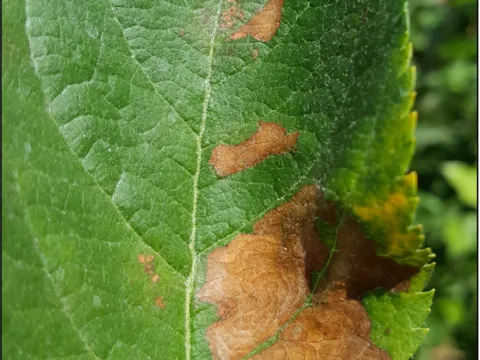
The primary symptom of infection is the development of dark, sunken lesions on leaves, stems, flowers, and fruits, which typically expand as the disease progresses.
Under conditions of high humidity, these lesions often become covered with masses of spores, appearing as pink, orange, or greyish-white pustules on the tissue surface.
In fruits, the disease typically manifests as soft rot, leading to sunken necrotic areas that eventually cover the entire surface, causing premature fruit drop.
Stem infection leads to girdling lesions, which interrupt water and nutrient transport, causing wilting and dieback of the plant parts above the point of infection.
Seedlings infected by these pathogens often display damping-off symptoms, characterized by rotting at the base of the stem and rapid collapse of the plant.
The development of Glomerellales is strongly favored by high humidity levels and warm temperatures, typically ranging between 20°C and 28°C.
Rainy weather and prolonged dew periods provide the necessary water films on plant surfaces for spore germination and successful fungal penetration.
Poor airflow, often caused by high planting density or lack of pruning in orchards and greenhouses, creates a microclimate conducive to rapid fungal growth.
Plants under physiological stress, due to poor nutrition or previous damage, show increased susceptibility to initial infections by these fungal orders.
Introduction of the pathogen into new areas frequently occurs through contaminated seed lots or the movement of infected nursery stock.
The economic impact of these pathogens is severe, as they cause substantial yield losses in fruits, vegetables, and ornamental crops across the globe.
Post-harvest losses are particularly significant, as quiescent infections in fruits can remain asymptomatic until storage, resulting in sudden rot in supply chains.
The destruction of foliage and stem structures reduces the photosynthetic capacity of the plant, leading to stunted growth and reduced fruit quality.
Control costs are high, as frequent applications of fungicides are often required to maintain disease suppression in high-value agricultural crops.
The persistence of the fungus in the soil and on crop debris creates a long-term management challenge for farmers practicing monoculture or narrow rotations.
Management strategies rely on the use of clean, certified seeds and resistant cultivars to prevent the initial introduction and establishment of the disease.
Effective crop rotation practices, where non-host plants are grown for several years, help reduce the inoculum pressure in the soil.
Sanitation is critical; removing and destroying infected plant debris reduces the source of spores for the next growing season.
Chemical control involving the preventative application of fungicides is essential, particularly during periods of high humidity and critical growth stages.
- Improving ventilation in greenhouses.
- Balanced nutrient application to avoid stress.
- Control of vectors that spread spores.
- Proper disposal of post-harvest waste.