
Gloiothele
Gloiothele
Gloiothele is a genus of fungi within the family Peniophoraceae (often classified under Corticiaceae). These basidiomycetes are primarily wood-inhabiting saprotrophs that can become opportunistic pathogens.
What the section contains
Gloiothele
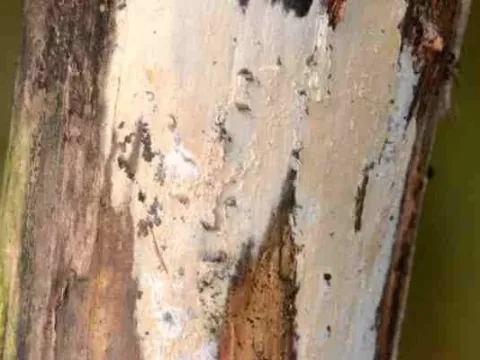
The pathogen forms flat, crust-like, or waxy fruiting bodies on the surface of bark or decaying wood. The mycelium penetrates deeply into the plant tissues, breaking down lignin and cellulose.
It thrives by decomposing wood components, often causing white rot, which significantly alters the internal structure of the tree's vascular system.
Reproduction is carried out via basidiospores, which are easily disseminated by wind, rain splash, or through contact with vectors like insects or pruning tools.
The taxonomic classification of the genus remains specialized, as many species within this group share similar morphological characteristics requiring microscopic analysis.
Early symptoms include the appearance of thin, glossy, or gelatinous patches on the bark, which eventually develop into denser, wax-like crusts.
The color of these fruiting bodies typically ranges from creamy white to yellowish or ochre, often appearing shiny or wet in humid conditions.
As the infection progresses, the underlying wood becomes soft and spongy, showing signs of decay and loss of mechanical strength.
Infected bark may become brittle and start to peel away from the stem, exposing the decaying wood tissues underneath to further infection.
Visible signs of decline include sparse foliage, stunted growth, and the gradual dieback of branches, eventually leading to tree mortality if left unchecked.
High relative humidity and persistent moisture on the surface of the bark are the most critical factors for the development of Gloiothele.
Shaded environments with poor air circulation prevent the canopy and trunk from drying out after rainfall, creating an ideal habitat for the fungus.
Mechanical injuries, such as frost cracks, pruning wounds, or damage from pests, provide entry points for fungal spores to colonize the wood.
Moderate temperatures, generally ranging from 15°C to 25°C, promote active mycelial growth and spread within the host's tissues.
Neglected gardens, dense planting schemes, and lack of sanitary pruning practices favor the establishment and spread of the pathogen.
The primary threat is the degradation of structural wood tissues, which compromises the tree's ability to transport water and essential nutrients.
Reduced wood strength makes affected branches highly susceptible to breakage during heavy wind or snowfall, posing a risk to the tree's integrity.
Long-term colonization leads to cumulative stress on the tree, resulting in reduced vitality, poor yields, and susceptibility to other biotic threats.
The rotting process facilitates secondary colonization by various wood-boring insects, which further accelerates the decline and eventual death of the tree.
In ornamental horticulture, the disease significantly degrades the visual appearance and health of trees, making them unsuitable for landscaping purposes.
Regular sanitary pruning is essential to remove infected branches and prevent the spread of the fungus to healthy parts of the tree.
All pruning cuts and accidental wounds should be immediately treated with appropriate wound dressings or fungicidal pastes to seal the exposed wood.
Managing canopy density through proper pruning improves airflow and light penetration, ensuring that trunks dry quickly after rain.
Preventive application of fungicides during the dormant or growing season can help inhibit spore germination and protect susceptible bark areas.
Maintaining tree vigor through proper fertilization and irrigation helps the plant develop natural defenses against wood-decaying organisms.