
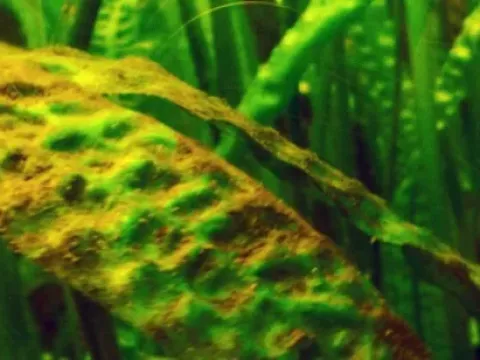
Fragilariophyceae
Fragilariophyceae
Fragilariophyceae are a class of pennate diatoms, widely distributed in aquatic environments, characterized by their unique silicified cell walls.
What the section contains
Fragilariophyceae
In the agricultural sector, they act as mechanical contaminants that pose significant risks to irrigation and hydroponic distribution networks.
While they do not directly infect crops, their dense colonies can physically obstruct delicate irrigation machinery and water treatment systems.
They are eukaryotic organisms that thrive through photosynthesis and require silicate minerals for the construction of their distinct frustules.
The ability of these diatoms to form branched or filamentous colonies allows them to attach firmly to pipes, filter meshes, and reservoir surfaces.
High levels of light exposure combined with stagnant water in irrigation tanks provide ideal conditions for rapid Fragilariophyceae development.
Excessive nutrient levels, particularly phosphorus and nitrogen, in irrigation solutions significantly accelerate the growth of these diatoms.
Optimal temperatures ranging between 15°C and 25°C favor the metabolic activity and colonization capacity of this algal class.
The formation of biofilms inside irrigation tubing creates a protective layer that allows these organisms to persist even when nutrients are low.
Inadequate sanitation in greenhouse fertigation systems is the primary factor enabling the spread and establishment of diatom populations.
The primary concern is the mechanical clogging of emitters and micro-sprinklers, which causes uneven water distribution and localized crop stress.
Fragilariophyceae consume essential nutrients meant for crop uptake, thereby altering the intended chemical balance of hydroponic nutrient solutions.
Mass accumulation of algae leads to oxygen depletion in water systems, which can trigger anaerobic decomposition and increase root disease risks.
The accumulation of dead algal matter on filter systems causes frequent pressure drops, leading to increased labor costs for system maintenance.
- Clogging of irrigation nozzles and pipes.
- Disruption of nutrient uptake in hydroponics.
- Increased risk of secondary root rot.
- Reduction in pump efficiency due to fouling.
Excluding light from irrigation reservoirs is the most effective biological method to prevent the photosynthesis-driven growth of diatoms.
Installing UV-C sterilization systems in water recycling loops can efficiently neutralize algal cells and inhibit their further spread.
Regular mechanical cleaning and flushing of pipes are essential to prevent the accumulation of thick biofilm deposits in irrigation lines.
The use of approved algaecides can provide a targeted solution when mechanical cleaning fails to manage severe diatom outbreaks.
Conducting periodic monitoring of phosphate levels in the irrigation water helps in identifying potential algae hotspots before they escalate.