
Fragilariaceae algae
Fragilariaceae
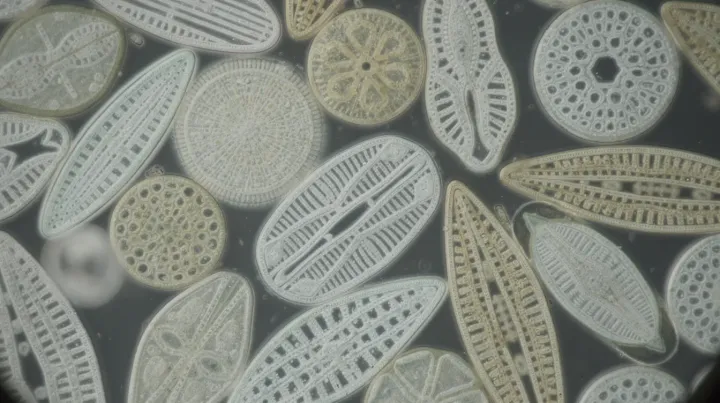
Description
Symptoms
The primary symptom of infestation is the development of a golden-brown or yellowish slimy layer on the surfaces of nutrient tanks, hoses, and growing media.
Root systems display a noticeable discoloration, moving from a healthy white appearance to a dirty brown due to the physical attachment of algal filaments.
The nutrient solution often becomes turbid, and the system may emit a characteristic earthy or metallic smell associated with diatom activity.
Plants often show symptoms of nutrient deficiency, such as yellowing leaves or stunted development, even when the nutrient balance is correctly calibrated.
Microscopic analysis reveals long, chain-like structures of rigid cell walls that distinguish these diatoms from soft filamentous green algae.
Pathogen
Fragilariaceae is a family of diatom algae that act as aquatic weeds in hydroponic systems and intensive greenhouse setups, negatively impacting the efficiency of plant cultivation.
These organisms are unicellular or colonial, characterized by a silica-based cell wall, which makes them highly dependent on the silicon levels within the nutrient solution.
While not a disease in the traditional pathogenic sense, their development is considered a biological hazard that hinders the optimal growth of plants.
The biological impact is linked to their ability to outcompete crops for essential minerals and space, creating dense mats that alter the rhizosphere environment.
This species is common in water distribution systems where light and nutrients are available, creating complex community structures that are difficult to manage once established.
Conditions for development
High levels of dissolved silicates in the water provide the essential building blocks for Fragilariaceae to multiply and build their shells.
Exposure of the nutrient solution to direct sunlight or high-intensity LED light in the growing area is the primary trigger for their development.
Temperatures between 18°C and 25°C provide the metabolic energy required for rapid cell division, allowing these organisms to colonize a system in a few days.
Poor water circulation and stagnant zones in irrigation pipes facilitate the formation of dense biofilms that protect the algae from cleaning attempts.
Introduction of spores through contaminated equipment, improper water sourcing, or air vents are common vectors for initial system infection.
Why it matters
The main damage is caused by competition for phosphorus, nitrogen, and micronutrients, leading to reduced overall crop yields and plant vigor.
The formation of biofilms on root surfaces impedes gas exchange, which can lead to hypoxia in the root zone and increased vulnerability to plant pathogens.
Accumulation of dead algal biomass leads to decomposition, which promotes the growth of secondary bacterial infections and anaerobic fungi.
Equipment failure is common, as algal mats block drippers, filters, and water sensors, requiring constant maintenance and system flushing.
Algal growth can significantly fluctuate the pH of the nutrient solution, causing nutrient lockout and physiological stress for the crop.
Protection
The most reliable control method is light exclusion; covering all tanks and exposed pipes with light-proof materials prevents photosynthesis.
Incorporating high-output UV-C sterilization units into the water cycle is the standard approach for killing suspended algal cells effectively.
Regular sanitation of the entire system using hydrogen peroxide solutions during crop rotations helps break the cycle of re-infection.
Proper water filtration using fine mesh screens helps remove algal fragments, though it must be paired with mechanical cleaning of surfaces.
- Maintain low levels of available silicon if possible.
- Ensure constant circulation of nutrient solutions.
- Monitor for early surface discoloration in irrigation lines.
Discussion
No discussions yet — be the first.