
Flammulaster
Flammulaster
The fungal genus Flammulaster belongs to the family Inocybaceae. These fungi are typical saprotrophs, meaning they feed on dead organic matter in the environment.
What the section contains
Flammulaster
The primary agent in this context is the fungal mycelial network, which penetrates the substrate to enzymatically break down complex carbohydrates.
Biologically, these fungi are not obligate parasites of living crops, but their presence often signals underlying issues with the host's immune system.
Microscopically, the genus is defined by spore shape, the presence of specific cystidia, and the structure of the cap cuticle, distinguishing them from related genera.
The fungal life cycle is closely linked to the processes of cellulose and lignin degradation, making them active participants in the biological nutrient cycle in soil.
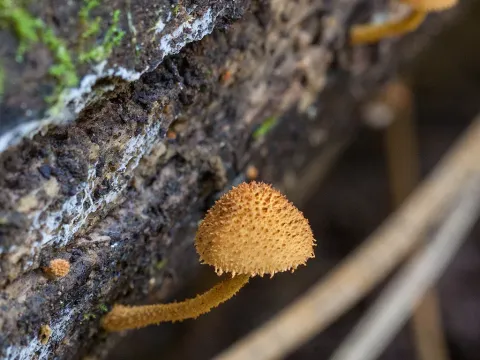
External signs of Flammulaster fungi appearing on plants manifest as small fruiting bodies forming on dying parts of wood or plant debris.
The caps of the fungi have a characteristic brown, ocher, or rusty hue, often with a finely scaly surface, which serves as a key morphological marker.
Mycelia can colonize the base of trunks of shrubs or trees, especially if there is weakening of the bark due to mechanical damage or excessive moisture.
When woody crops are affected, local softening of tissues occurs in areas of active mycelial growth, gradually progressing to the rotting stage.
- Appearance of small gilled mushrooms on affected areas.
- Local discoloration of bark or stems.
- Softening of plant tissues.
- Presence of thin rhizomorphs under loose bark.
The primary factor for the development of these fungi is high air and soil humidity, which creates an optimal environment for spore germination.
Flammulaster fungi prefer shaded areas with limited air circulation, where moisture is retained on the substrate surface for an extended period.
The presence of large amounts of plant debris, sawdust, or damaged wood serves as a nutrient base for the colonization of these microorganisms.
The temperature optimum for mycelial growth is within the moderate range, often coinciding with autumn or periods of prolonged rainfall.
Poor agricultural practices that weaken the plant make tissues more susceptible to colonization by any type of fungal flora, including saprotrophic species.
Although Flammulaster is not a primary pathogen, its presence indicates secondary infection and a decrease in the overall viability of the crop.
Active fungal activity leads to the destruction of the wood or stem structure, which reduces the plant's stability and can lead to death under stress.
In agricultural nurseries, the presence of such fungi on young seedlings is a critical indicator of improper care or root system damage.
Indirect harm involves creating conditions for the entry of more aggressive fungal pathogens capable of attacking living tissues.
Economic damage is expressed in the premature loss of ornamental plantings and fruit crops, requiring costly replacement.
A primary protection measure is the strict adherence to sanitary standards in the area, including regular removal of plant debris and dead wood.
It is necessary to maintain an optimal humidity level, preventing water stagnation at the base of tree and shrub trunks to prevent decay.
Upon detection of fungal fruiting bodies, mechanical removal should be performed, followed by disinfection of the affected areas with fungicides.
Improving the plant's overall resistance is achieved through the application of balanced fertilizers and timely pruning of dry branches.
The use of preventive copper-based sprays helps create a barrier against the development of fungal spores on the bark.