
Flagelloscypha minutissima
Flagelloscypha minutissima
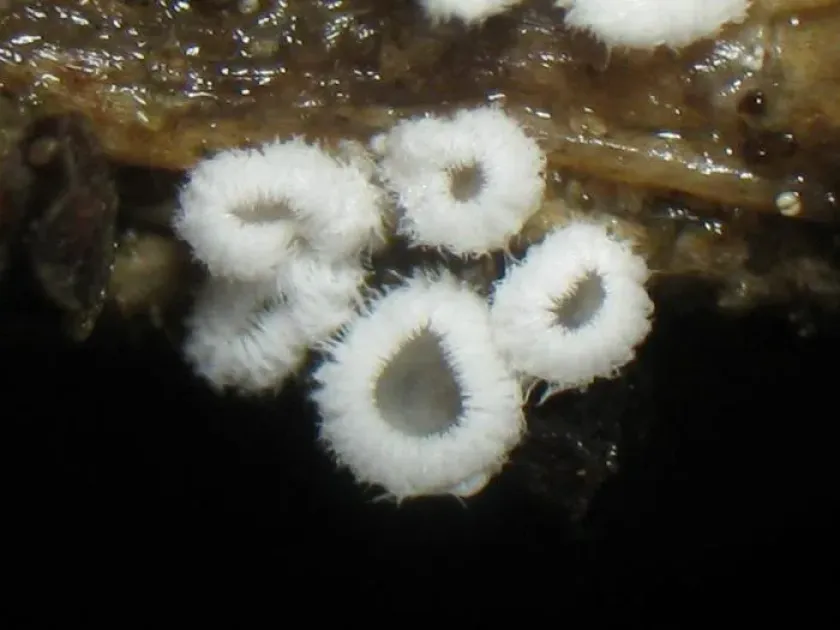
Description
Pathogen
Flagelloscypha minutissima is a basidiomycetous fungus typically classified as a saprotroph that thrives on decaying organic matter.
The fungus produces microscopic, cup-shaped fruit bodies that are often difficult to detect without a microscope in the field environment.
Its biological activity is primarily centered around the breakdown of complex organic compounds found in plant cell walls, such as cellulose.
Reproduction occurs via spores, which are disseminated by wind or splashing water, allowing the fungus to colonize new substrates rapidly.
It exists as a part of the decomposer community in agricultural and natural ecosystems, processing dead plant tissues.
Conditions for development
The growth and colonization of the fungus are heavily dependent on high moisture levels and a continuous supply of plant detritus.
Optimal environmental conditions include moderate temperatures and high humidity, often occurring during rainy seasons or in sheltered crop canopies.
Poor field ventilation and stagnant air within the plant stand create an ideal microclimate for the spread of this fungal pathogen.
Reduced tillage practices can sometimes create conditions where surface residues remain moist for extended periods, favoring fungal activity.
Effective colonization is enhanced when there is a significant accumulation of non-decomposed straw or leaf litter on the soil surface.
Why it matters
This fungus is generally considered a secondary colonizer rather than a primary pathogen of healthy, thriving agricultural crops.
Its harmful impact is mainly realized when it accelerates the decay of weakened or damaged plant tissue, potentially reducing yields.
Presence of the fungus can indicate poor field sanitation, which might create a favorable environment for other, more aggressive pathogens.
In cases of high density, it can interfere with the development of sensitive seedlings that are in direct contact with decaying plant residues.
The economic impact is typically indirect, relating to the need for better field maintenance and improved residue management practices.
Protection
The most effective strategy involves comprehensive residue management, including thorough incorporation of crop remains into the soil.
Using microbial soil inoculants helps speed up the decomposition process, effectively outcompeting saprotrophic fungi for resources.
Crop rotation remains a primary cultural control method to reduce the inoculum density of fungi within the agricultural environment.
Maintaining proper field aeration and preventing waterlogging are essential for minimizing the conditions that favor fungal colonization.
- Deep plowing or mechanical incorporation of residues.
- Use of residue-degrading biological products.
- Implementation of diverse crop rotation cycles.
Discussion
No discussions yet — be the first.