
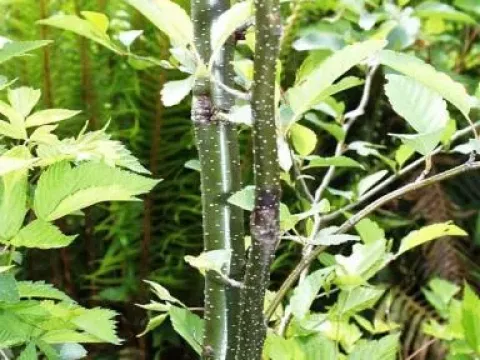
Didymosphaeria oregonensis
Didymosphaeria oregonensis
The disease is caused by the fungus Didymosphaeria oregonensis, a member of the Ascomycota phylum. This pathogen primarily targets the bark and vascular tissues of woody plants, causing necrotic damage to the host.
What the section contains
Didymosphaeria oregonensis
The lifecycle of this fungus involves the development of perithecia, which act as fruiting bodies embedded within the host's tissue. These structures are crucial for the long-term survival of the pathogen in the environment.
Spores are dispersed through wind and splashing water, especially during wet weather conditions. The pathogen is known to persist on fallen branches or infected bark, serving as a constant inoculum source.
As a facultative parasite, Didymosphaeria oregonensis exploits weakened or damaged tissues to establish its colony. It gradually colonizes the host, extracting nutrients and disrupting physiological functions.
The fungal mycelium growth is a slow, chronic process that systematically weakens the plant's structural integrity. Its biological resilience allows it to persist under varying climate conditions.
The primary symptom is the appearance of necrotic lesions on the bark, which often grow over time. Affected areas may show significant cracking, peeling, or discoloration compared to healthy tissue.
Small, dark, pimple-like structures, which are the perithecia of the fungus, can be observed erupting through the epidermis of the bark. These are clear indicators of an active infection.
Infected plants frequently exhibit yellowing leaves, premature leaf drop, and dieback of branches. The systemic stress caused by the infection is visible in the reduced vigor of the tree.
The infected wood may exhibit a distinct reddish-brown or dark tint, indicating the depth of the fungal penetration into the plant's vascular system.
In the spring, when the moisture levels are high, the symptoms often become more pronounced as the fungus enters a phase of rapid development and spore production.
High humidity and consistent rainfall are the most critical factors for the spread of Didymosphaeria oregonensis. Moist environments allow spores to adhere to surfaces and germinate effectively.
Temperature fluctuations, particularly mild and humid conditions, facilitate the growth of the fungus. The pathogen thrives when the plant surface remains wet for extended periods.
Poor aeration in dense plantings creates a microclimate that prevents rapid drying of the bark, significantly increasing the risk of infection and colonization.
Mechanical damage to the bark caused by pruning, storms, frost cracks, or insect feeding provides a direct entry point for fungal spores to invade the inner tissues.
Plants under physiological stress, due to poor soil nutrient management or inadequate irrigation, are significantly more susceptible to successful colonization by this fungal pathogen.
The disease disrupts the transport of water and nutrients, eventually leading to the death of branches and potentially the entire host plant if the infection reaches the main trunk.
Significant loss of aesthetic value is a major concern for ornamental shrubs and trees. The damage caused by the fungus creates unsightly patches and structural deformities.
Chronic infection lowers the overall immunity of the plant, making it highly susceptible to secondary attacks by other pathogens, wood-boring insects, and environmental stressors.
In agricultural settings, the disease reduces the overall health and productivity of fruit trees. It forces the redirection of energy resources toward defensive responses instead of growth and fruiting.
The economic impact is manifested through the costs of intensive pruning, chemical treatments, and, in severe cases, the complete removal and destruction of the affected plant material.
Sanitary pruning is the most effective management strategy. It is essential to remove all infected branches, cutting well into healthy wood to ensure all mycelium is cleared.
Disposal is critical; all pruned material should be burned or buried away from the orchard to prevent the survival of spores and subsequent reinfection of the site.
Preventive application of copper-based fungicides can create a protective barrier on the bark, inhibiting spore germination and protecting vulnerable surfaces from new infections.
Maintaining high horticultural standards, including proper fertilization and regular pest monitoring, improves the plant's overall resistance to this and other fungal diseases.
During planting, spacing must be optimized to ensure adequate sunlight and airflow through the canopy, which helps keep the bark dry and reduces the fungus's ability to survive.