
Didymosphaeriaceae
Didymosphaeriaceae
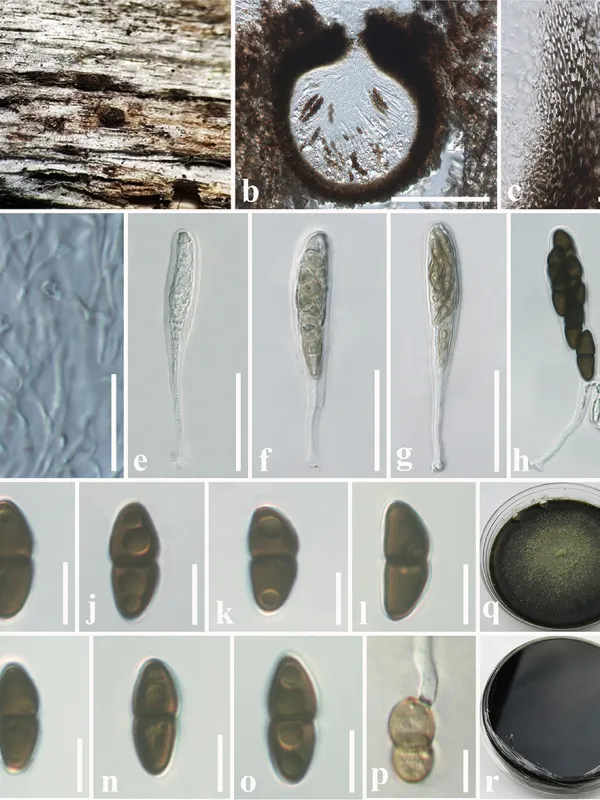
Description
Symptoms
The initial symptom is the appearance of spots of varying shapes on young shoots, which gradually turn brown or dark-brown in color.
Necrotic lesions often form on infected stems, potentially girdling the shoot and leading to the wilting of the plant's upper sections.
In the affected areas, the epidermis may crack, providing an exit point for the fungus to release spores and spread the infection to neighboring tissues.
As the disease progresses, these spots coalesce, covering significant portions of the stem, resulting in the visible decay or necrosis of the cortex.
Under high humidity conditions, one can observe fungal growth or small black dots, which are the fruiting bodies of the fungus, visible to the naked eye.
Pathogen
The disease is caused by fungi belonging to the Didymosphaeriaceae family, which are classified as Ascomycetes. These are specialized pathogens that primarily target the stems and shoots of various cultivated plants.
The fungal life cycle involves the formation of pseudothecia, which develop ascospores that serve as the primary source of infection during the spring season.
The fungus can persist in infected plant debris, both within the soil and on the surface of stems, remaining dormant until environmental conditions become favorable.
The pathogen's mycelium penetrates the host plant tissues, destroying parenchyma cells and disrupting the normal flow of essential nutrients and fluids.
Infection spreads through conidia and spores, which are effectively disseminated by wind, rain splashes, or insect vectors to healthy plant parts.
Conditions for development
The development of the infection is favored by high humidity and excessive soil moisture, as well as frequent rainfall during the crop's critical growth phases.
Optimal temperature conditions for the active growth of the fungal mycelium typically range from +18 to +25 degrees Celsius.
Dense, poorly ventilated plantings create a microclimate with excessive humidity, which dramatically accelerates sporulation and disease spread.
Poor agricultural practices, such as applying excessive nitrogen fertilizers, stimulate rapid growth of soft tissues that are highly susceptible to fungal penetration.
Mechanical damage to stems or injury caused by pests serves as a gateway for the initial entry of the pathogen into the plant system.
Why it matters
The disease causes a sharp decline in photosynthesis as infected tissues lose chlorophyll and eventually die off.
By clogging the vascular system, the pathogen disrupts water and nutrient transport, leading to premature wilting and the death of shoots.
Crop yields are significantly reduced due to fruit underdevelopment and the premature abscission of leaves or flower buds.
In severe cases, the mass decay of vegetative matter renders the entire plant unviable for the current growing season.
Furthermore, damaged tissues often become sites for secondary bacterial infections, further compromising the phytosanitary status of the field.
Protection
The primary method of prevention is the thorough removal and deep burial or destruction of all plant debris where the pathogen overwinters.
Adhering to strict crop rotation practices helps break the pathogen's life cycle, preventing the buildup of inoculum in the soil.
Selecting varieties with genetic resistance to stem diseases is a vital strategy for minimizing the risk of infection.
Regular thinning and pruning of plantings are recommended to ensure proper air circulation, which prevents the establishment of a humid environment.
- Application of systemic fungicides during peak growth phases;
- Balanced fertilization with potassium and phosphorus;
- Proactive pest management to prevent stem damage.
Discussion
No discussions yet — be the first.