
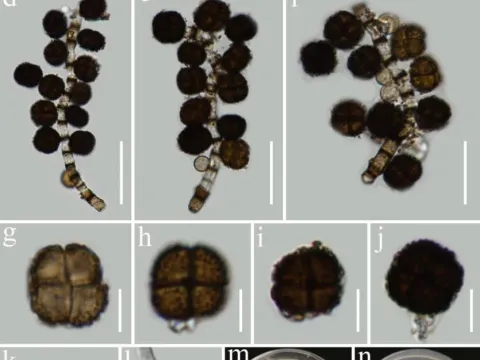
Dictyoarthrinium
Dictyoarthrinium
The disease is caused by the fungus Dictyoarthrinium, a genus of hyphomycetes. It is characterized by the production of dark, distinct conidiophores that release spores into the environment, facilitating its rapid dissemination.
What the section contains
Dictyoarthrinium
The fungus colonizes plant tissues using a network of mycelium that invades the epidermis and parenchyma. This process disrupts the normal physiological functions of the plant, including transpiration and photosynthesis.
Dictyoarthrinium can survive in soil or on crop debris for extended periods, remaining dormant until weather conditions favor the activation of its spores. It is known to thrive in areas with high organic matter content.
The pathogen is highly opportunistic and often acts as a weak parasite on crops that are already stressed by unfavorable environmental factors or insect damage.
Biologically, the fungus is capable of rapid asexual reproduction through conidia, which are wind-dispersed, making it difficult to contain without proper management strategies once an outbreak begins.
The primary symptom of Dictyoarthrinium infection is the formation of circular or irregular spots on leaves. Initially, these spots appear as light-colored lesions that later turn dark brown or black.
Under high humidity, a velvety or soot-like growth becomes visible on the surface of these spots, which represents the sporulation of the fungus. This visual indicator is crucial for identification in the field.
Severe infections lead to chlorosis and necrosis of the foliage. As the disease progresses, the affected leaves wither, curl, and drop prematurely, leading to significant defoliation.
Stems can also be affected, showing discolored patches that may deepen into lesions, potentially weakening the plant structure and causing lodging or stem breakage.
In cases of early-season infection, seedlings may exhibit stunted growth or death, especially if the pathogen originates from contaminated soil or seeds.
The development of the disease is strictly linked to moisture levels. High relative humidity and prolonged periods of leaf wetness are essential for the germination of fungal spores.
Temperatures ranging from +20°C to +26°C are generally optimal for the growth and spread of the pathogen. However, the fungus can persist and cause damage at wider temperature ranges as well.
Poor agricultural practices, such as dense planting patterns, lack of ventilation in greenhouses, and excessive moisture near the base of the plant, significantly exacerbate the risk of infection.
Weather events like heavy rains or morning mists contribute to the dispersal of spores from the ground to the foliage, especially in lower crop strata where humidity is higher.
A high inoculum density in the field, often resulting from previous years' unburied crop residues, serves as the primary driver for seasonal disease outbreaks.
The economic impact of Dictyoarthrinium is mainly due to the reduction of total crop yield. Reduced photosynthetic capacity prevents plants from developing healthy fruits, seeds, or roots.
Product quality is severely compromised; spotting and discoloration make agricultural produce less attractive to consumers, which leads to lower market value and potential rejection by retailers.
The fungus can potentially produce secondary metabolites that affect plant tissue integrity, making it more susceptible to opportunistic secondary infections by bacteria or other fungi.
In cases of epidemic proportions, the disease can cause significant losses in vegetable and cereal crops, directly impacting the profitability of the agricultural enterprise.
Furthermore, contaminated planting material can carry the pathogen, spreading the disease to new, previously healthy fields, which creates long-term management challenges.
Effective management begins with robust crop rotation practices, ensuring that susceptible species are not grown in the same field for consecutive years to break the infection cycle.
Sanitation is critical; all crop residues must be removed or plowed deep into the soil after harvest to eliminate the primary source of the fungal inoculum.
Chemical control involving the use of registered fungicides is recommended when favorable conditions for the disease occur. Copper-based or systemic triazole fungicides can be effective.
Maintaining balanced plant nutrition, especially adequate potassium and phosphorus levels, improves the plant's overall resistance and ability to tolerate fungal attacks.
- Implementation of proper spacing to ensure adequate air circulation.
- Regular scouting for early symptoms of leaf spots.
- Use of disease-free seeds or certified transplants.
- Timely irrigation management to minimize foliage wetness.