
Dictyochophyceae
Dictyochophyceae
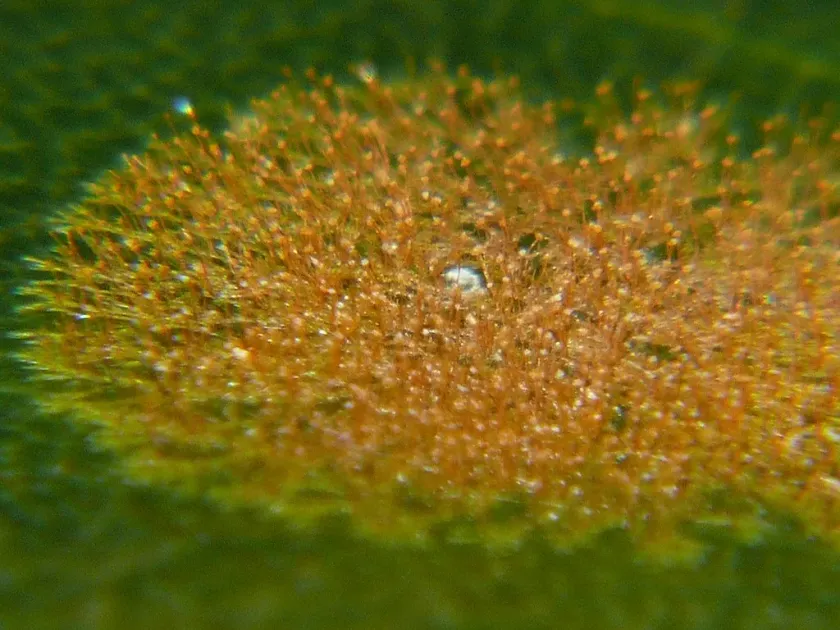
Description
Pathogen
Dictyochophyceae is a class of unicellular or colonial microalgae belonging to the Ochrophyta division. While they are primarily recognized in marine and freshwater biology, their impact on commercial hydroponic systems and aquaculture is significant.
These organisms are characterized by a unique internal skeleton made of silica tubes, which differentiates them from other phytoplankton. This structural feature is crucial for their identification under a microscope.
Biologically, they are mixotrophic, meaning they can switch between photosynthesis and the absorption of dissolved organic compounds. This flexibility allows them to thrive in diverse and challenging environmental conditions.
The lifecycle of Dictyochophyceae involves both motile and resting stages. The ability to form cysts enables these algae to survive unfavorable conditions, making eradication from water tanks particularly difficult.
They act as biological stressors in plant production systems by altering the chemical balance of the growing medium and creating toxic byproducts that interfere with normal plant metabolism.
Conditions for development
The proliferation of Dictyochophyceae is driven by nutrient enrichment, particularly high levels of phosphates and nitrates in the water. These conditions often occur in closed recirculating hydroponic systems.
Temperature serves as a key regulator of their growth. A stable temperature range between 20°C and 25°C creates an optimal environment for rapid cell division, leading to visible blooms.
Light availability is another critical factor. While they are autotrophic, their mixotrophic nature allows them to persist even in low-light conditions, provided there is enough dissolved organic carbon.
Poor water circulation and the accumulation of plant debris in the system create pockets of stagnant water. These spots become primary breeding grounds for algal colonies to colonize.
Changes in pH levels can also trigger mass growth. When the nutrient solution becomes unbalanced, these microalgae can outcompete beneficial microbes, dominating the microbial flora of the root zone.
Why it matters
The primary harm caused by Dictyochophyceae in plant production is the inhibition of root development. The toxins released by these algae impair the function of root membranes, reducing nutrient uptake efficiency.
Algal blooms result in the depletion of dissolved oxygen in the water. As oxygen levels drop, the roots undergo anaerobic stress, leading to browning, root rot, and general plant weakening.
Visible symptoms on plants include stunted growth, leaf chlorosis, and a reduced ability to withstand other environmental stressors. In severe cases, the entire root system may collapse.
For large-scale operations, the presence of these algae results in significant economic losses. The need to dispose of contaminated nutrient solutions and sanitize equipment adds to operational costs.
Additionally, the buildup of silica structures from dead algae can clog irrigation emitters and filtration systems, leading to uneven water distribution and further crop stress.
Protection
Management of Dictyochophyceae requires a proactive approach centered on water hygiene and system maintenance. Regular monitoring of the nutrient solution's chemical profile is essential.
UV-C sterilization is the most effective technological solution for controlling these algae in hydroponic systems. Ultraviolet light disrupts their cellular processes, effectively neutralizing both motile and cyst forms.
Rigorous sanitation protocols should be implemented, including the use of food-grade hydrogen peroxide for system cleaning. This helps eliminate biological residues without leaving toxic deposits.
Maintaining proper light barriers on all water reservoirs prevents algal photosynthesis and inhibits colony development from the start of the production cycle.
- Regular flushing of irrigation lines and pipes.
- Monitoring electrical conductivity and pH daily.
- Using mechanical pre-filters to remove organic matter.
- Ensuring proper water temperature control to avoid overheating.
Discussion
No discussions yet — be the first.