
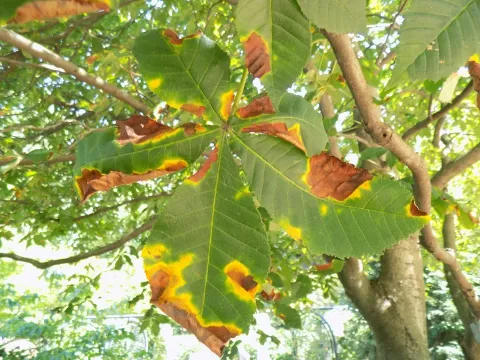
Horse chestnut dasyscyphus
Dasyscyphus hippocastani
The pathogen behind this disease is the fungus Dasyscyphus hippocastani, a member of the Ascomycota phylum. It acts as a parasite, specifically targeting the bark and cambium layers of various woody plant species, including the horse chestnut.
What the section contains
Horse chestnut dasyscyphus
The fungus develops mycelium directly within the host's tissues, gradually causing disruption of the tree's vital functions. It reproduces by forming small, distinctive fruiting bodies known as apothecia on the surface of the bark.
This species is a known agent of necrotrophic diseases, which are characterized by the localized killing of plant tissues. The pathogen can survive within the host for extended periods, drawing energy from the tree.
The life cycle of Dasyscyphus hippocastani is closely tied to moisture availability. Sporulation typically peaks during periods of high humidity and rainfall, which facilitate the spread of the disease across tree populations.
Visually, the fruiting bodies appear as minute, cup-shaped structures. Their presence is a clear diagnostic indicator of the infection, often becoming visible to the naked eye after periods of damp weather.
The initial signs of infection are the appearance of necrotic lesions on the bark. These spots often change in color, eventually becoming dry, brittle, and cracked as the fungal infection progresses through the bark tissues.
Over time, these necrotic patches develop into distinct cankers or fissures. The edges of these cankers may appear raised as the tree attempts to defend itself by generating callus tissue, effectively trying to wall off the infection.
The most prominent sign is the presence of the fungus's fruiting bodies. These tiny, cup-like structures emerge through the bark, signaling that the fungus has successfully colonized the host tissue.
Affected trees often show signs of crown decline, including premature yellowing of leaves and the progressive drying out of individual branches. This occurs because the necrotic lesions impede the movement of water and nutrients.
In advanced stages, the tree exhibits overall poor vigor, reduced annual shoot growth, and structural damage to the bark. If the trunk is girdled by these lesions, it can lead to the death of the entire branch or tree.
Environmental conditions characterized by high humidity, persistent mist, or frequent rainfall are highly favorable for Dasyscyphus hippocastani. Moisture is essential for the germination of fungal spores on the host surface.
Trees that are under physiological stress—due to drought, nutrient deficiency, or poor soil quality—are significantly more susceptible to infection. A weakened immune system makes it easier for the fungus to establish itself.
Physical injuries, whether caused by severe weather, pruning mistakes, or animal damage, provide direct entry points for the pathogen. Once inside, the fungus can quickly colonize the inner bark tissues.
Poor airflow in dense, crowded plantings creates a stagnant microclimate that promotes the spread of spores. Areas with insufficient sunlight and aeration are often the first to show widespread infection symptoms.
Seasonal patterns also play a critical role, with spring and autumn typically being the most active periods for fungal growth. During these times, the tree's natural defense mechanisms may be less effective against the pathogen.
The primary harm caused by the fungus is the obstruction of the vascular system within the branches and trunk. By killing the bark and cambium, the fungus cuts off the flow of essential sap to the crown.
Beyond biological damage, the disease significantly detracts from the tree's ornamental value. Cankers and dead branches are unsightly, which is particularly problematic in urban settings, parks, and garden landscapes.
The structural integrity of the tree is compromised. Dead and rotting branches become brittle and are prone to breaking off under strong winds, posing a safety risk to pedestrians and nearby property.
Infection by Dasyscyphus hippocastani makes the tree more vulnerable to secondary invaders, such as bark beetles or wood-decay fungi, which often finish off a tree that has been weakened by this pathogen.
The economic impact involves the costs of professional tree maintenance, the necessity for repeated fungicide treatments, and the eventual need to remove dead or hazardous trees in public spaces.
Effective management begins with strict sanitation practices. All infected branches must be pruned back to healthy wood, and the pruned material should be promptly removed and destroyed or buried to stop spore dispersal.
Following any pruning or mechanical damage, wounds should be treated with appropriate antiseptic agents or fungicidal pastes to seal the area and prevent new infections from taking hold.
- Apply copper-based fungicides as a preventative measure during the early spring bud-burst period.
- Maintain tree health through proper fertilization and watering to boost natural resistance.
- Monitor the plantation regularly to detect early signs of bark discoloration.
Professional tree care services may use systemic fungicides applied as bark treatments or injections to combat deeper infections. These treatments are most effective when caught in the early stages of disease progression.
In new plantings, ensure adequate spacing between trees to allow for optimal air circulation, which helps keep the bark dry and reduces the chances of successful fungal colonization.