
Horsetail diplodia blight
Diplodia equiseti
Description
Symptoms
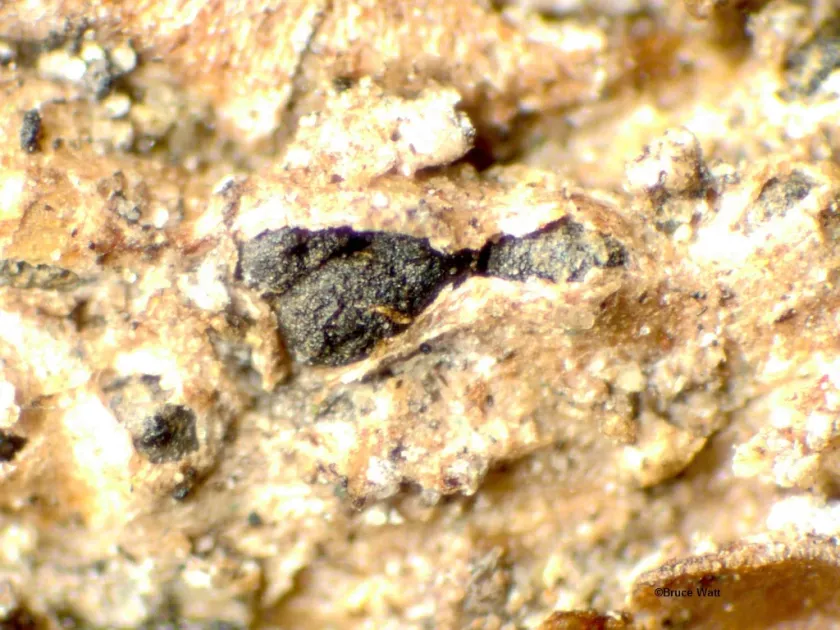
The first signs of infection include the appearance of small, dark spots on the stems. These are the pycnidia, which emerge as tiny black pimples on the green surface.
As the disease advances, the tissues around the pycnidia begin to necrotize, resulting in brown or greyish patches that spread across the stem.
Infected spore-bearing cones (strobili) show signs of discoloration and premature browning. They often become shriveled and fail to produce viable spores.
Under humid conditions, a fine greyish fungal growth may appear on the surface of the lesions. Infected stems eventually become brittle and collapse.
- Black pycnidia on the stems
- Brown necrotic lesion patches
- Deformed and discolored strobili
- Premature plant senescence
Pathogen
The causal agent of the disease is the anamorphic fungus Diplodia equiseti, which belongs to the class Coelomycetes. It is a specialized parasite that targets Equisetum species.
The fungus reproduces by forming pycnidia, which are small, flask-shaped fruiting bodies that develop within the epidermis of the host plant tissue.
Inside the pycnidia, the fungus produces large numbers of conidia. These spores are released during wet weather and serve as the primary inoculum for the next infection cycle.
The mycelium grows intercellularly, extracting nutrients from the host tissues. As the infection progresses, it disrupts the physiological functions of the plant.
The fungus remains viable in plant debris during the winter period, providing a reliable survival strategy for the pathogen in varying climatic conditions.
Conditions for development
High humidity and moisture are the most critical factors for the development of Diplodia blight. Rain-soaked stems provide the ideal environment for conidia germination.
The optimal temperature range for the pathogen's growth is between 18°C and 25°C. Warm, humid weather accelerates the progression of the disease.
Poor air circulation, often found in dense patches of horsetail, contributes to prolonged surface wetness, allowing the fungus to infect more easily.
Wounds caused by insects or physical damage provide entry points for the fungal mycelium, making wounded plants more susceptible to infection.
The spores are dispersed mainly by splashing rain droplets and wind. This facilitates the rapid spread of the disease within the local population of the weed.
Why it matters
The disease causes significant stress to the horsetail plant, leading to stunted growth and, in severe cases, the death of the stems.
Diplodia blight does not pose a threat to commercial crops. The fungus is host-specific and does not cross over into agricultural plant species.
In ecological terms, the fungus plays a role in regulating the population density of horsetails in wet habitats or along field margins.
There is no major economic damage associated with this pathogen. It is generally regarded as a natural regulatory factor rather than a crop pest.
However, monitoring the presence of this fungus can be useful in identifying sites with poor soil drainage and high moisture levels.
Protection
Improving soil drainage is the most effective way to reduce the humidity levels that favor fungal growth, thus limiting the spread of the pathogen.
Good field hygiene, including the removal and destruction of crop debris, helps to eliminate the overwintering sites for the fungus.
Mechanical weed control helps reduce the number of host plants, thereby lowering the total inoculum potential within the agricultural field.
Chemical control measures are not implemented against this disease, as horsetails are not considered an economically important crop to protect.
Maintaining adequate crop rotation and preventing water stagnation in the field are effective preventive measures against the build-up of the infection.
Discussion
No discussions yet — be the first.